Remittance: Definition, Types, and Examples in Money Transfer

Jakarta, Pintu News – Every year, millions of Indonesians working abroad send a portion of their income back home. This activity is called remittance. Simply put, remittance is the activity of transferring or sending money across countries, whether from migrant workers to family members at home, or from companies to business partners in other countries.
Indonesia itself recorded remittance receipts of USD 15.3 billion, making this sector one of the country’s largest sources of foreign exchange. This article discusses the full definition of remittance, its types, real-world examples, and the best ways to do it in the digital age.
Definition of Remittance
Etymologically, the word “remittance” comes from English, adapted from Latin remittere, meaning “to send” or “to send back.” In the context of modern finance, remittance refers to the movement of funds from a person or entity in one country to a recipient in a different country.
Bank Indonesia defines remittance as money transfers made by migrant workers to family members or other parties in their home country. This definition can be expanded to cover all cross-border financial transactions, including business payments, tuition payments to overseas universities, or transfers between family members living in different countries. What distinguishes remittances from ordinary transfers is their cross-border nature and the involvement of currency conversion.
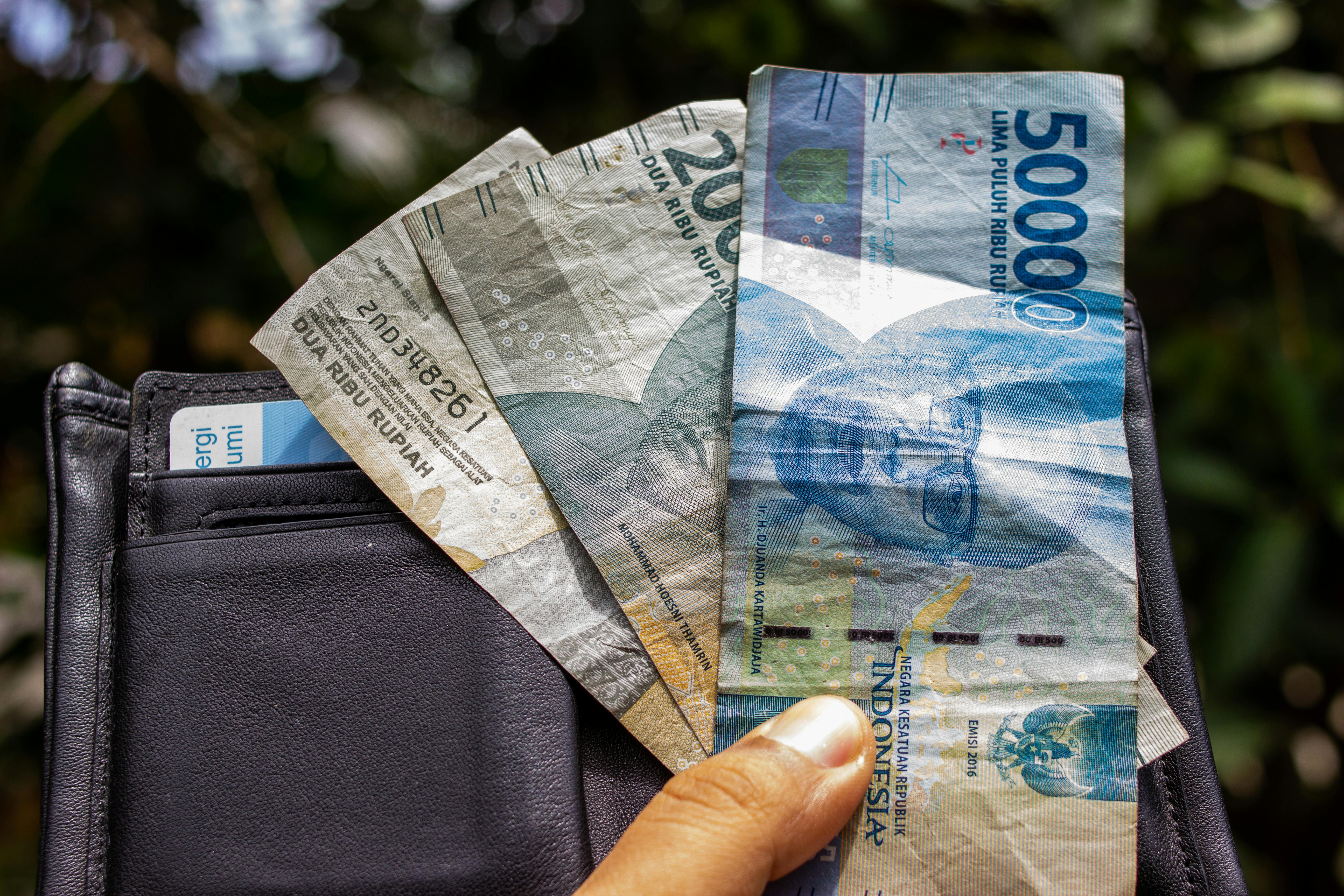
Read also: “What is Remittance? Here’s How It Works and How to Send It!“
Types of Remittance
Remittances can be categorized based on the direction of fund flow and the purpose of use. Understanding these types is important so you can choose the right service.
Inward Remittance
Inward remittance is money transferred into a country from abroad. For Indonesia, the largest inward remittance comes from Indonesian migrant workers (PMI) working in Malaysia, Saudi Arabia, Hong Kong, Singapore, Taiwan, and other Middle Eastern countries. Funds are received by family members or individual recipients in Indonesia, generally directly into bank accounts or through local remittance agents.
Inward remittance is a significant source of foreign exchange for Indonesia. With more than 5.2 million officially registered migrant workers as of March 2025, plus millions more unregistered, the inflow of funds from this sector has a very large impact on the stability of the rupiah exchange rate and the economic growth of the migrants’ regions of origin.
Outward Remittance
Conversely, outward remittance is money transferred out of a country to another country. From Indonesia, outward remittance is commonly made by: students paying tuition fees to overseas universities, foreign expatriates working in Indonesia sending money back to their home countries, business people paying suppliers or business partners abroad, and individuals supporting family members overseas.
Outward remittance from Indonesia is generally facilitated through conventional bank transfer services (SWIFT), fintech platforms such as Wise and Flip Globe, or using crypto stablecoins for far lower costs.
Personal Remittance vs. Business Remittance
In addition to direction of flow, remittances can also be differentiated by the sender. Personal remittance is a transfer from individual to individual, generally from a migrant worker to family. Business remittance is a transfer between business entities, such as payment of an invoice from an Indonesian company to a vendor abroad. Both use the same mechanisms, but business remittances usually involve larger amounts and may require additional supporting documents in accordance with Bank Indonesia and OJK regulations.
Examples of Remittance in Real Life
To understand remittance more concretely, here are some of the most common examples found in Indonesia.
First example: An Indonesian worker from Central Java works as a domestic helper in Hong Kong. Every month, she sends HKD 3,000 to her family’s account in Semarang through an official remittance service. The money arrives in rupiah after being converted at the applicable exchange rate, minus the transfer fee. This is a classic example of inward personal remittance.
Second example: An Indonesian student studying in the Netherlands whose parents in Jakarta regularly send monthly living expenses via international bank transfer. This is outward personal remittance.
Third example: An Indonesian textile company pays for imported raw materials from a factory in China via SWIFT transfer in US dollars. This is outward business remittance.
Fourth example: An Indonesian freelancer receives payment from a client in the United States. The client sends USDT to the freelancer’s wallet, who then exchanges it for rupiah on an Indonesian crypto platform. This is inward remittance using stablecoin, which is growing in popularity due to its very low cost and fast process.

Read also: “Why Stablecoins Are Effective for Business Operational Cost Efficiency“
The Role of Remittance in the Indonesian Economy
Remittance is not merely a money transfer between family members. For Indonesia, this flow of funds has real macroeconomic impacts. With total remittance receipts reaching USD 15.3 billion, these funds directly contribute to the country’s foreign exchange reserves, helping to stabilize the rupiah exchange rate when external pressures increase. At the micro level, remittances increase the purchasing power of recipient families, stimulate local consumption, and often serve as business capital or children’s education costs.
Data shows that regions with high migrant worker populations, such as East Java, Central Java, NTB, and NTT, record regional economic growth largely driven by remittance flows. In addition, migrant workers returning with savings and international work experience also contribute to knowledge transfer and entrepreneurship in their regions of origin.
How to Conduct Remittance
There are several main channels for conducting remittances from or to Indonesia. Bank transfers via SWIFT are the most traditional method, available at almost all major banks in Indonesia. The process takes 1-5 business days with relatively higher costs than modern alternatives. Money transfer operators such as Western Union and MoneyGram offer flexibility for cash receipt, suitable for areas with limited banking access.
Fintech platforms such as Wise and Flip Globe offer more competitive exchange rates and better cost transparency. Finally, USDT stablecoins via blockchain (especially the TRON/TRC-20 network) have become the fastest and cheapest option for those already familiar with crypto, with fees of only a few cents and settlement within minutes.
Frequently Asked Questions About Remittance
What is the difference between remittance and a regular bank transfer?
Remittance specifically refers to money transfers that involve crossing national borders and generally currency conversion. Regular bank transfers can be domestic (one country, one currency) or international. All remittances are international transfers, but not all international transfers are called remittances in the narrow sense.
Is remittance subject to tax in Indonesia?
Remittance receipts for personal purposes are generally not subject to income tax in Indonesia. However, for business purposes or certain amounts, there are reporting obligations to Bank Indonesia in accordance with Foreign Exchange Traffic regulations. Consult a tax consultant for your specific situation.
What is the maximum remittance transfer limit from Indonesia?
For personal purposes, transfers below USD 25,000 can generally be made without special supporting documents. Amounts above that require underlying transaction documents in accordance with Bank Indonesia’s Regulations on Foreign Exchange Traffic and the Application of Prudential Principles.
Why does global remittance volume continue to increase?
The globalization of the labor force, ease of travel, and the growth of digital transfer platforms drive consistent growth in global remittances. On the Indonesian side, the increasing number of skilled and unskilled migrant workers, as well as the growing ecosystem of digital freelancers receiving payments from international clients, also drive an increase in the volume of both inward and outward remittances.
Follow us on Google News to get the latest information about the crypto world and blockchain technology. Check Bitcoin prices, USDT to IDR and tokenized Nvidia stock prices through Pintu Market.
As a secure crypto app, Pintu delivers a crypto trading experience and easy access to crypto gold investment. You can also view today’s gold jewelry prices and today’s gold bar prices to support your investment and portfolio diversification activities, as well as learn crypto through Pintu Academy.
Download the Pintu crypto app through the Play Store or App Store now. Enjoy the web trading experience with various advanced trading tools such as pro charting, various order types, and a portfolio tracker only at Pintu Pro.
*Disclaimer:
This content aims to enrich readers’ information. Pintu collects this information from various relevant sources and is not influenced by outside parties. Please note that past asset performance does not determine future performance projections. Crypto buying and selling activities carry high risks and volatility; always conduct independent research and use cold money before investing. All Bitcoin buying and selling activities and other crypto asset investments are the reader’s responsibility.
References
- “Remittance: Definition, Types, Components, Process and How to Transfer“. DBS. Accessed on June 23, 2026.
- “Remittance: Definition and Policy in Indonesia“. Paper.id. Accessed on June 23, 2026.
- “Indonesia – Remittance Data 2005-2025“. Trading Economics. Accessed on June 23, 2026.
- “Cross-Checking Migrant Worker Data“. NEXT Indonesia Center. Accessed on June 23, 2026.
- “Remittance: Definition, Types, Benefits, and How to Do It“. Pegadaian. Accessed on June 23, 2026.