Get to know the 3 Ethereum Networks: From Public, Private, to Whisper Network

Jakarta, Pintu News – Ethereum, as one of the leading blockchain platforms, does not operate on just one type of network. There are several types of networks that support Ethereum operations, each with different characteristics and uses. This article will explain the three main types of Ethereum networks: Public Mainnet, Private Mainnet, and Testnet, as well as providing an introduction to the Whisper Network, which is still under development.
Ethereum Public Network
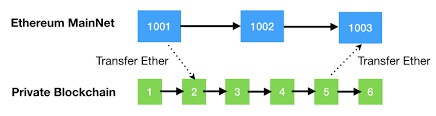
Ethereum’s public main network, often referred to as the Ethereum Mainnet, is where transactions and smart contracts actually take place. Since its launch in July 2015, the Ethereum Mainnet has undergone several major updates, including the switch from Proof of Work (PoW) to Proof of Stake (PoS) via the Casper update.
This is an important step in improving network efficiency and security. The change from PoW to PoS reduces the need for massive computing power, which was previously required to mine Ethereum . With PoS, the validation of transactions and new blocks depends on the amount of Ethereum the validator ‘stakes’, not on computing power. This is not only more environmentally friendly, but also safer from attacks that might occur if relying solely on computing power.
Also Read: Dogecoin (DOGE) Price Prediction: 3 Key Levels to Watch This Week
Ethereum Private Network

Unlike the public network, Ethereum’s private primary network is designed for internal use by specific organizations. This network allows transactions and smart contracts to run in a more controlled and isolated environment, which is ideal for business applications that require a high level of data privacy and security.
Use of these private networks is often limited to participants who have been verified and authorized by the network administrator. The main advantage of private networks is their ability to offer transparency and security within a limited scope.
This is especially useful for companies that want to utilize blockchain technology without compromising control over their data and internal processes. In addition, private networks can also be customized according to an organization’s specific needs, providing flexibility that is not available on public networks.
Ethereum Test Network and Whisper Network
Before an app or smart contract is launched on the main network, developers will typically test it on the Ethereum test network, or Testnet. Testnet serves as a simulation that allows developers to test and refine their code in an environment similar to the Mainnet without the risk of losing economic value.
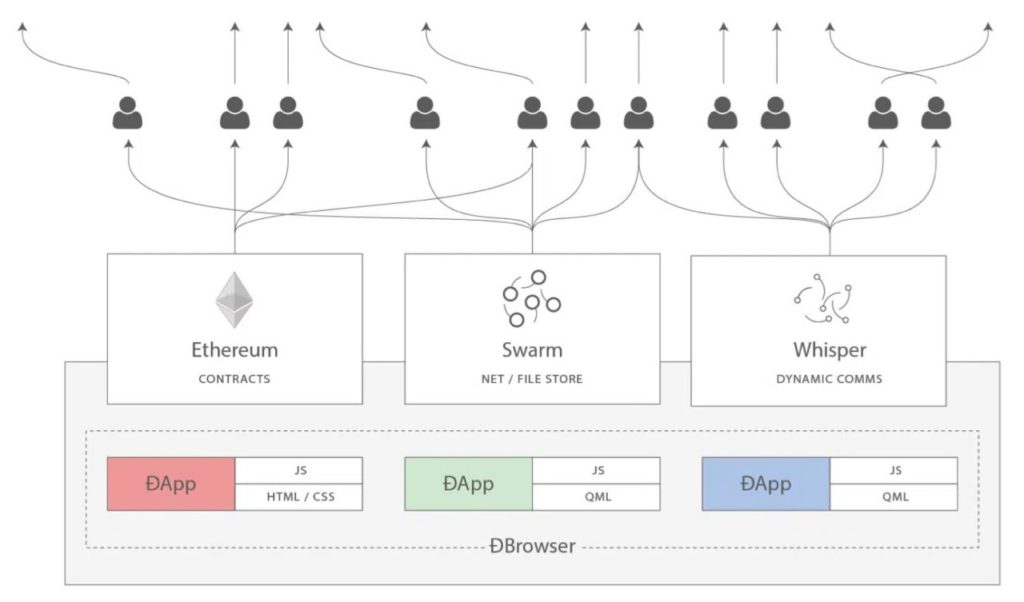
Ropsten and Rinkeby are examples of frequently used Testnets. Whisper Network, on the other hand, is a project that is still under development and is designed to facilitate private communication between users in Ethereum-based applications.
Using sharding technology, Whisper Network aims to reduce the workload on full nodes and increase the speed and privacy of communication. Each shard in the Whisper Network can contain multiple nodes and is updated collectively by the leader node at specific intervals.
Conclusion
With a wide range of network types supporting it, Ethereum offers extensive flexibility for a variety of needs and applications. From public transactions to private business operations and application development, each Ethereum network has an important role to play in the global blockchain ecosystem. Going forward, with the development of technologies like the Whisper Network, Ethereum continues to innovate to meet demands for security, speed, and efficiency.
Also Read: Ethereum (ETH) Prepares to Surge Again: Will History Repeat itself in September 2025?
Follow us on Google News to get the latest information about the world of crypto and blockchain technology. Check today‘ s bitcoin price, today’s solana price, pepe coin and other crypto asset prices through Pintu Market.
Enjoy an easy and secure crypto trading experience by downloading Pintu crypto app via Google Play Store or App Store now. Also, get a web trading experience with various advanced trading tools such as pro charting, various types of order types, and portfolio tracker only at Pintu Pro.
*Disclaimer
This content aims to enrich readers’ information. Pintu collects this information from various relevant sources and is not influenced by outside parties. Note that an asset’s past performance does not determine its projected future performance. Crypto trading activities are subject to high risk and volatility, always do your own research and use cold hard cash before investing. All activities of buying andselling Bitcoin and other crypto asset investments are the responsibility of the reader.
Reference
- Arnas Sinkevicius. What Are the Types of Ethereum Networks. Accessed on August 27, 2025