Jakarta Becomes World’s Largest City, Indonesia Joins BRICS!
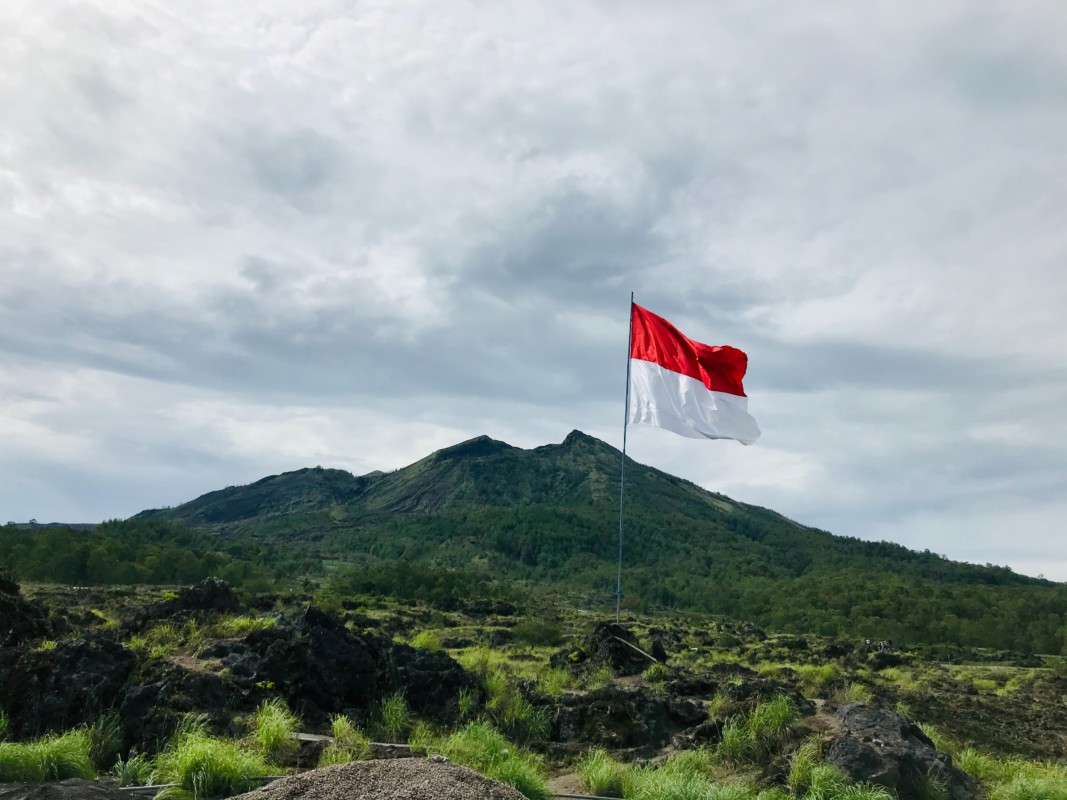
Jakarta, Pintu News – Jakarta is officially declared the world’s largest urban area by 2025 as Indonesia joins BRICS as a full member, marking a significant shift in global economic and geopolitical dynamics.
Jakarta’s Urban Growth and its Economic Impact
According to the latest United Nations data, the urbanized area of Jakarta is now home to around 42 million people, surpassing Dhaka with 36.6 million and Tokyo with 33.4 million. The UN’s change in urban population calculation methodology confirms Jakarta’s position as the world’s largest city. This growth reflects the accelerated digital transformation in Southeast Asia that is increasingly affecting strategic sectors in the Indonesian economy.
Analysis by Alexander Titov, Deputy Secretary General of the International Digital Economy Association (iDEA), and Duane Dizon, a geopolitical and economic analyst, shows that Jakarta’s strengthening position goes hand in hand with Indonesia’s entry into BRICS. Both assess that this momentum opens up great opportunities for Indonesia as one of the most dynamic emerging economies in the region.
Also Read: Will Dogecoin (DOGE) be back in the hands of the bulls by early 2026?
Economic Impact and Digital Innovation
With Indonesia representing more than 40 percent of ASEAN’s population, Jakarta’s urban expansion is having a significant economic impact. Jakarta is now home to more than 2,400 tech startups, while recording a digital payment penetration that exceeds 80 percent. The city has become a laboratory of innovation for fintech, e-commerce, and other urban technologies.
Elisa Sutanudjaja, Director of the Rujak Center for Urban Studies, said that this report confirms the longstanding observation of urban observers that Greater Jakarta had surpassed Tokyo in urban area size a few years earlier. This further strengthens Jakarta’s position as Indonesia’s premier digital economy and commercial center.
Urban Growth Challenges
Indonesia’s membership in BRICS gives Southeast Asia important demographic weight, while expanding the region’s influence in shaping global growth patterns. iDEA and the Indonesian Fintech Association are scheduled to hold a strategic meeting as part of National Fintech Month 2025 to align relevant digital policies.
However, this development also comes with challenges. Massive population growth increases the pressure on city infrastructure, especially on issues of congestion, flooding, and long-term urban planning.
The UN estimates at least an additional 10 million people in the region by 2050, which will require major investments in transportation, disaster mitigation, and public services. The changes in the global city rankings show how Jakarta is gaining prominence as an economic center and investment destination as Indonesia’s profile in BRICS increases.
Conclusion
Jakarta’s designation as the world’s largest urban area and Indonesia’s joining BRICS mark a new phase for the country’s socio-economic development. These two achievements not only strengthen Indonesia’s position at the regional level, but also position it as a strategic force in the future global landscape.
Also Read: Michael Saylor signals new bitcoin purchases, BTC price ready to skyrocket?
Follow us on Google News to get the latest information about crypto and blockchain technology. Check Bitcoin price today, Solana price today, Pepe coin and other crypto asset prices through Pintu Market.
Enjoy an easy and secure crypto trading experience by downloading Pintu crypto app via Google Play Store or App Store now. Also, get a web trading experience with various advanced trading tools such as pro charting, various types of order types, and portfolio tracker only at Pintu Pro.
*Disclaimer
This content aims to enrich readers’ information. Pintu collects this information from various relevant sources and is not influenced by outside parties. Note that an asset’s past performance does not determine its projected future performance. Crypto trading activities are subject to high risk and volatility, always do your own research and use cold hard cash before investing. All activities of buying andselling Bitcoin and other crypto asset investments are the responsibility of the reader.
FAQ
What are the main factors that make Jakarta the largest urban area in the world?
According to UN data, Jakarta’s urban population reached 42 million after an updated calculation methodology, putting it ahead of Dhaka and Tokyo.
Why does this recognition coincide with Indonesia’s entry into BRICS?
Both events occurred during the same period and reflect Indonesia’s increasing role in the global economy as well as the strengthening of Southeast Asia’s strategic position.
What is the economic impact of Jakarta’s urban growth?
This growth strengthens the tech sector, increases digital payment penetration, and drives the growth of more than 2,400 startups in the city.
What are the biggest challenges facing Jakarta due to massive urbanization?
Key challenges include congestion, flooding, pressure on infrastructure, and the need for major investments in public services to accommodate population growth until 2050.
How does BRICS membership affect Indonesia’s position on the global stage?
BRICS expands Indonesia’s economic and geopolitical cooperation, strengthens its influence on global policy direction and opens up new investment opportunities.
Reference
- Watcher Guru. Jakarta Claims World’s Largest Urban Title as Indonesia Joins BRICS. Accessed on December 10, 2025.