Major US Banks Limit Financial Services to Crypto Industry, Here are 5 Facts!

Jakarta, Pintu News – In the period 2020 to 2023, nine of the largest banks in the United States are noted to limit or tighten access to financial services to various sectors that are considered controversial, including the cryptocurrency industry.
Based on preliminary findings from the Office of the Comptroller of the Currency (OCC), these policies are similar across major banks and make inappropriate distinctions between legitimate business activities. The report reignited a long-standing debate on debanking practices and how large banks leverage their market power to regulate financial access.
OCC Inquiry: Focus on Discrimination and Debanking Policies
According to OCC data and preliminary findings cited by Cointelegraph, this investigation began after President Donald Trump issued an executive order in August to review whether banks discriminate on the basis of political or religious beliefs.
In the course of the investigation, the OCC found that major banks are implementing internal policies that restrict or add layers of approval before services are provided to certain groups. These policies often target sectors such as oil and gas, coal, weapons manufacturing, as well as crypto companies related to crypto asset issuers, exchanges, and administrators.
The OCC also highlighted that JPMorgan Chase, Bank of America, and Citibank were among the group of banks listed as restricting services. According to the report, the reasons that banks often cite are financial crime risk and reputational risk associated with crypto industry clients. These findings suggest a consistent pattern of policies that are not always based on individualized risk analysis.
Also Read: 5 Strong Signals from Dogecoin: Price Resilience, New Adoptions, to $1 Potential!
Internal Criticism and Debate on Debanking Practices
Jonathan Gould, Comptroller of the Currency, expressed concern that large banks consider debanking to be a legitimate use of their federal charter authority and market power. He stated that such actions are inconsistent with the principle of providing financial services based on lawful activities. While many banks have publicly expressed this policy, some still deny that they engage in systematic debanking.
Nick Anthony, an economic policy analyst from the Cato Institute, criticized the OCC report for not mentioning the main causes of debanking that are best known to the public. According to him, regulators themselves often assess banks based on the reputational risk attached to clients-a type of assessment that encourages banks to cut ties with controversial industries without sufficient transparency.
Crypto Industry Perspective: Who are the Real Debanking Players?
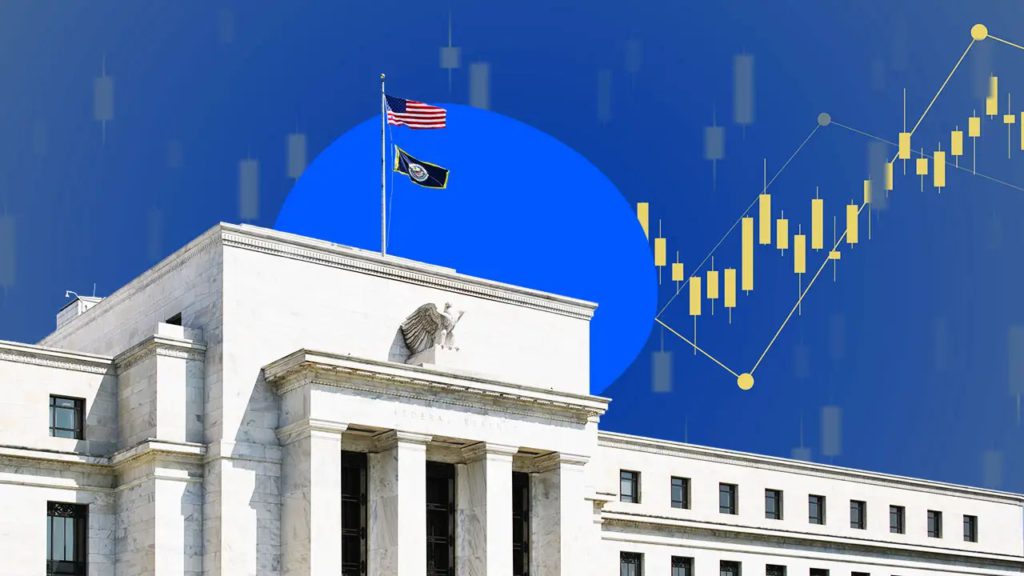
Caitlin Long, founder and CEO of crypto-focused Custodia Bank, said that the Federal Deposit Insurance Corporation (FDIC) and the Federal Reserve have been the most aggressive in suppressing banking access for crypto companies during the Biden administration. According to Long, large banks have prioritized crypto restrictions less than small and medium-sized banks, which are under greater regulatory pressure.
The OCC report states that the investigation is still ongoing and could potentially proceed to the Department of Justice for further review. This indicates that the debanking issue is not over and will likely be part of the US financial policy discussion in the long run.
Conclusion
The OCD’s preliminary findings reveal a pattern of financial services restrictions by major banks on sectors deemed high-risk, including cryptocurrencies. While regulators and the industry are still debating the limits of banks’ authority, this report opens an important discussion on how financial markets should treat a legitimate but controversial industry.
Also Read: 5 Highlights of TRUMP Meme Coin’s $1 Million Game Campaign: New Strategy to Boost Token Value?
Follow us on Google News to get the latest information about crypto and blockchain technology. Check Bitcoin price today, Solana price today, Pepe coin and other crypto asset prices through Pintu Market.
Enjoy an easy and secure crypto trading experience by downloading Pintu crypto app via Google Play Store or App Store now. Also, get a web trading experience with various advanced trading tools such as pro charting, various types of order types, and portfolio tracker only at Pintu Pro.
*Disclaimer
This content aims to enrich readers’ information. Pintu collects this information from various relevant sources and is not influenced by outside parties. Note that an asset’s past performance does not determine its projected future performance. Crypto trading activities are subject to high risk and volatility, always do your own research and use cold hard cash before investing. All activities of buying andselling Bitcoin and other crypto asset investments are the responsibility of the reader.
Meta Description
Major US banks are limiting services to the crypto industry, sparking a new debate about debanking practices in the financial sector.
FAQ
What is debanking?
Debanking is the practice whereby banks deny or restrict financial services to certain customers despite their lawful business activities, usually due to reputational or compliance risks.
Why are big banks limiting services to the crypto industry?
According to the OCC, large banks often limit crypto services due to concerns related to financial crime risks and reputational judgment on clients in the blockchain and digital asset industries.
Which banks are mentioned in the OCC report?
Some of the banks mentioned include JPMorgan Chase, Bank of America, Citibank, and other large institutions regulated by the OCC.
What impact will the debanking policy have on the crypto industry?
Debanking makes it difficult for crypto companies to access basic banking services such as funds storage, payments, and liquidity management, which could hinder the growth of the sector.
Will the OCC report result in any policy changes?
The OCC report is still under investigation and could be forwarded to the Department of Justice, potentially triggering policy revisions or legal action against the banks concerned.
Reference
- Cointelegraph. Crypto Among Sectors Debanked by Major Banks: OCC. Accessed on December 11, 2025