What Are Tranches and How Do They Work in DeFi?
Jakarta, Pintu News – In the world of finance and investment, the term tranche often appears as one of the most important yet unfamiliar concepts to many. Tranche is not just a complicated term; it helps investors choose a risk and return profile that suits their preferences – both in the traditional financial system and in thedecentralized finance (DeFi) ecosystem.
The following article takes an in-depth look at what a tranche is, how it works, and the examples and risks you need to know before jumping into a DeFi product that uses this structure.
What is a Tranche?
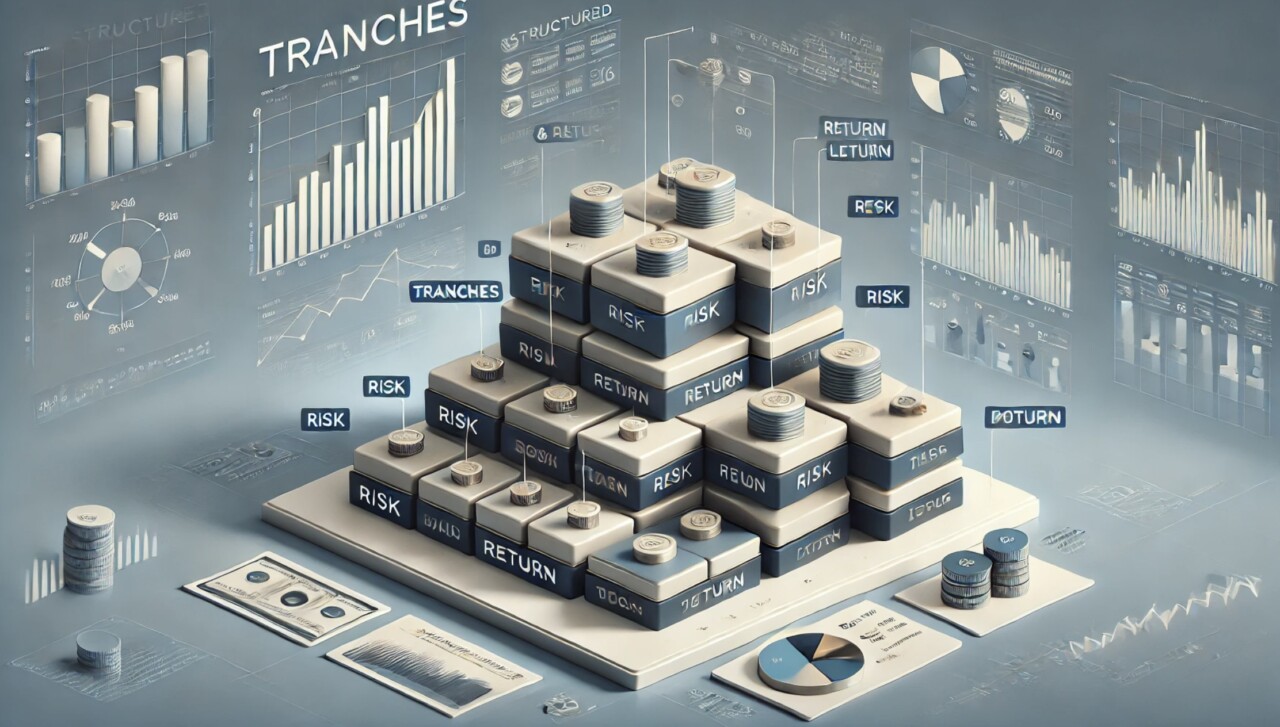
Literally, tranche (pronounced: trans) comes from the French word for “part” or “piece”. In the investment world, a tranche is a way of dividing one large investment product into several smaller pieces, each with a different level of risk, return and order of payment.
Read also: What is Computing and the Important Role of Distributed Computing in the Blockchain World
By dividing investment products into tranches, investors can choose which part best suits their risk profile and return target. The higher the risk, the greater the potential return.
For example, in products such as mortgage-backed securities or securitized bonds, assets that generate cash flows (such as mortgage payments) are pooled and then divided into tranches. Senior tranches have lower risk and are paid first, while junior tranches bear higher risk but potentially higher returns.
This structure makes investment products more flexible and attractive to different types of investors, as they can choose according to their own risk tolerance. In addition, tranches also help create a more liquid and organized market.
How Tranche Works
Broadly speaking, the tranche system works on the waterfall principle, which is the sequential distribution of cash flows (incoming money) from the safest to the riskiest.
In the traditional financial system, when there is a pool of assets that generates money (such as loan repayments), the funds are first distributed to the top tranche(senior tranche). After that, the rest would flow to the tranche below, and so on until the bottom tranche(junior tranche)-if there are any funds left.
This model allows investors to choose the level of risk that suits their investment style. The senior tranche is usually safer and paid first, so it is suitable for more conservative investors. Conversely, junior tranches are riskier, but also have the potential for higher returns if the asset performs well.
In the world of DeFi (Decentralized Finance), this tranche system is adapted through smart contracts. DeFi protocols can take a crypto asset that generates yield (interest or reward), then divide it into two parts: a fixed tranche that provides a stable yield, and a variable tranche that bears market fluctuations.
The fixed tranche is suitable for those who want a certain result, while the variable tranche is for those who dare to take risks for greater profit potential.
Tranche Example in DeFi
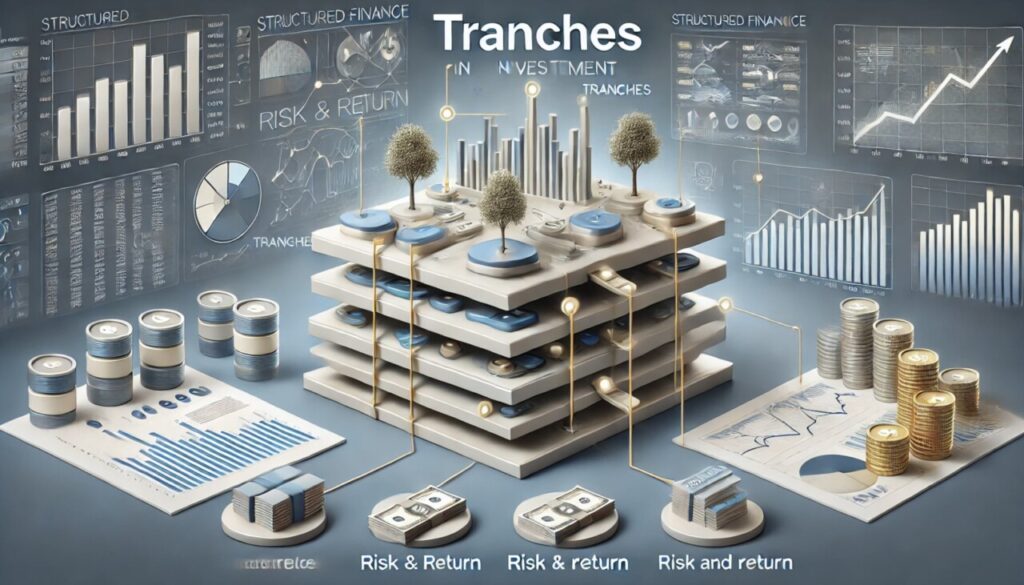
One of the clearest examples of the application of the tranche concept in the DeFi world is in the Tranche Finance protocol. This protocol allows users to sliceyielding tokens from other platforms such as Compound or Aave with the aim of creating two types of tranches: a senior-level tranche with a fixed income and a junior-level tranche with a higher variable yield.
Read also: 10 Best Cloud Mining Sites in 2025
The purpose of this structure is to give investors the option of choosing the desired risk. Investors looking for stability are likely to opt for the safer senior tranche, while investors ready to accept higher risk will choose the junior tranche for greater potential returns. This is similar to what is known in the traditional world as Collateralized Debt Obligations (CDOs), but with all the processes done through transparent smart contracts on the blockchain.
The adaptation of the tranche structure to DeFi also creates so-called Crypto-CDOs, where the underlying crypto assets are divided and traded according to the seniority and risk profile of each tranche.
Tranche Advantages and Risks
Pros
- Choice of Risk Profile: With the tranche split, investors can choose the level of risk that suits their investment objectives.
- Yield Customization: The senior tranche can target a more stable yield, while the junior tranche provides high-yield potential for investors who are prepared to take on risk.
- Liquidity and Access: Tranches often increase market liquidity as different classes of investors can participate in a single investment product.
Risk
- Complexity: Tranche structures can be complex, especially if the underlying assets are diverse and difficult to value.
- Smart Contract Risk: In DeFi, the security of smart contracts is an important factor. Code errors or exploits can cause losses.
- Market Risk: Junior tranches in particular are highly susceptible to asset price volatility in the crypto market, so they can end up with results that are far below expectations or even incur huge losses.
Overall, tranches are an important concept in the financial world that allows for the sharing of risk and return within a single investment product. In the DeFi era, this concept is being adapted to give crypto investors greater flexibility through structures that divide assets based on risk and return profiles.
Both novice and experienced investors need to understand how tranches work and the potential risks that come with them before participating in DeFi protocols that offer layered instruments like this.
FAQ
What is a tranche?
A tranche is a part or segment of a pool of assets or investments that is divided based on risk characteristics and payment priorities.
How do tranches work in DeFi protocols like Tranche Finance?
The DeFi protocol breaks the yield-generating asset into several parts through smart contracts. The senior portion targets a stable yield while the junior portion bears higher risk for greater potential gains.
What are the main risks of investing in DeFi tranches?
Key risks include the complexity of the structure, possible smart contract vulnerabilities, and market volatility that could affect the value of tranches, especially high-risk ones.
That’s the latest information about crypto. Follow us on Google News to get the latest crypto news about crypto projects and blockchain technology. Also, learn crypto from scratch with complete discussion through Pintu Academy and stay up-to-date with the latest crypto market such as bitcoin price today, xrp coin price today, dogecoin and other crypto asset prices through Pintu Market.
Enjoy an easy and secure crypto trading experience by downloading Pintu crypto app via Google Play Store or App Store now. Also, get a web trading experience with various advanced trading tools such as pro charting, various types of order types, and portfolio tracker only at Pintu Pro.
*Disclaimer
This content aims to enrich readers’ information. Pintu collects this information from various relevant sources and is not influenced by outside parties. Note that an asset’s past performance does not determine its projected future performance. Crypto trading activities have high risk and volatility, always do your own research and use cold cash before investing. All activities of buying and selling bitcoin and other crypto asset investments are the responsibility of the reader.
Reference:
- James Chen. Understanding Tranches: Definition, Examples, and Investment Strategies. Accessed on December 12, 2025
- Messari. Tranche Finance. Accessed on December 12, 2025
- Poems. Tranches. Accessed on December 12, 2025