6 Facts about Indonesia’s Oil Reserves to Understand in 2026
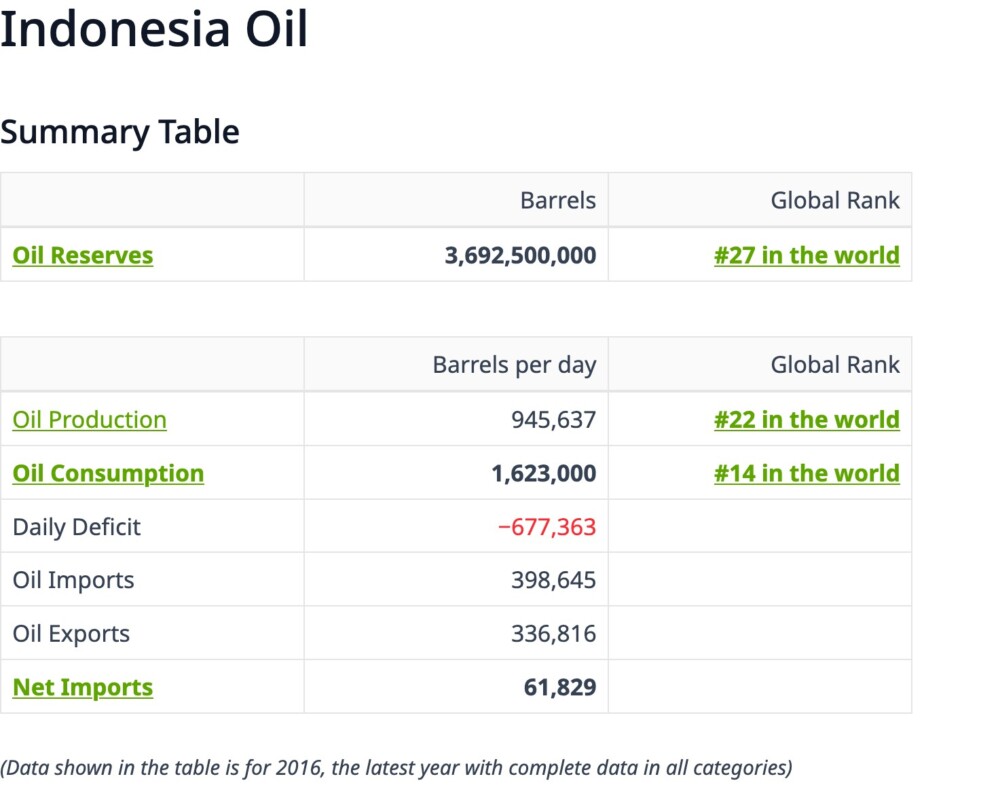
Jakarta, Pintu News – Indonesia’s oil reserves are still an important part of the national energy discussion despite not being as large as the world’s major oil producing countries. Based on Worldometers data, Indonesia has proven oil reserves of around 3.6925 billion barrels, placing it 27th in the world and accounting for around 0.22 percent of the world’s oil reserves. This information provides an overview of the position of Indonesia’s oil reserves in the global context and the domestic energy challenges ahead.
1. Indonesia’s Current Oil Reserves
According to Worldometers data, Indonesia’s oil reserves stood at 3.6925 billion barrels as of the latest available data, putting the country in 27th place on the world’s oil reserves list. This statistic shows that while Indonesia is not a major player on the global oil stage, its reserves remain significant when it comes to domestic energy options. The data also illustrates that Indonesia’s oil reserves only comprise about 0.22 percent of the world’s total reserves.
This oil reserve data reflects the amount of petroleum that is proven to be in the ground and can be produced with current technology. The figure illustrates the strategic assets that Indonesia still has although it has declined compared to several decades ago. This reserve position is the basis for national energy policy planning in dealing with consumption and production needs.
Also Read: BONK Memecoin Surges 20%: Will the Momentum Last in January 2026?
2. Comparison with Other Countries
In the list of the world’s oil reserves, Indonesia is far below countries with large reserves such as Venezuela, Saudi Arabia and Canada, which each have tens to hundreds of billions of barrels. This global classification shows the dominance of a few countries in the world’s oil reserves, while Indonesia is in the lower middle position.
This 27th ranking means that countries such as Malaysia and Yemen have reserves that are not much different from Indonesia’s, while other countries are far superior in terms of the amount of oil reserves. This reflects the fact that Indonesia’s oil resources are relatively limited compared to major oil producers in the Middle East or America.
3. Indonesia’s Oil Reserves vs Domestic Consumption
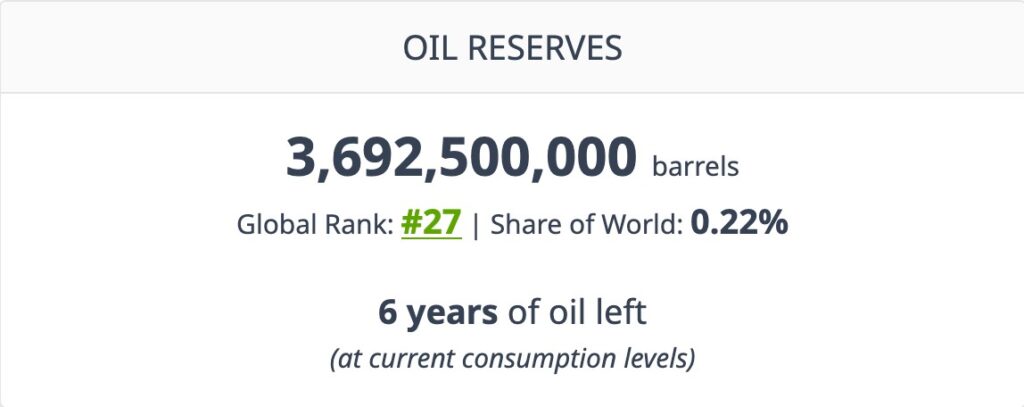
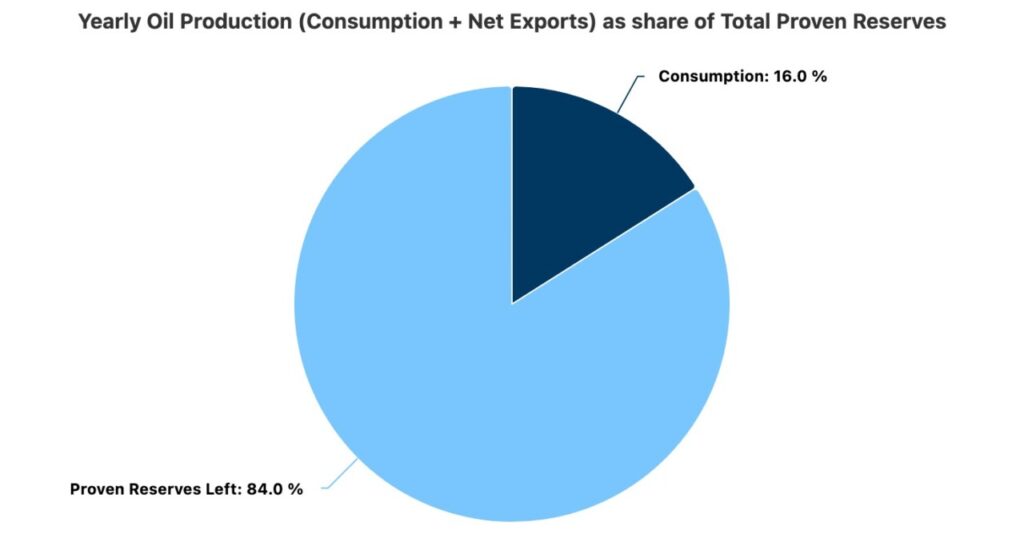
From Worldometers‘ records, Indonesia’s oil reserves are equivalent to about 6.2 years of national consumption if no imports are made at current consumption levels. This means that if Indonesia relies solely on its own reserves without imports, the existing oil is expected to run out in about six years.
This figure shows that available reserves are not enough to sustain long-term consumption without the support of imports or the discovery of new reserves. Therefore, Indonesia still has to import oil to meet domestic needs, while managing the national energy strategy in a sustainable manner.
4. Energy Production and Challenges
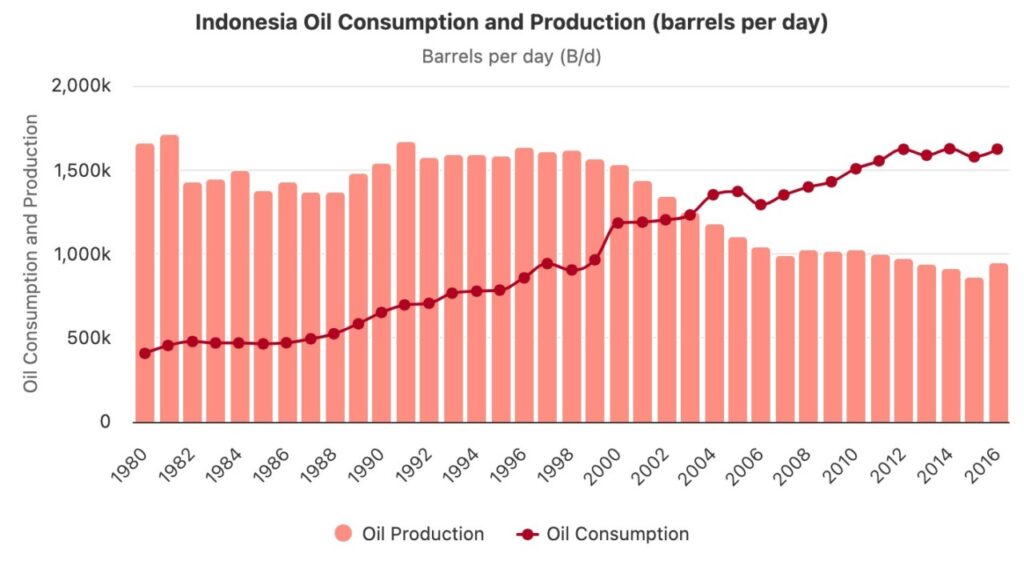
Worldometers data also notes that Indonesia’s oil production stands at around 945,637 barrels per day with a larger consumption of around 1,623,000 barrels per day. This difference creates a daily deficit that obliges the country to import oil to cover domestic needs.
This represents a structural challenge in Indonesia’s energy sector, where the country’s limited oil reserves are no longer sufficient to support domestic energy consumption without imports. This is a consideration in sustainable energy policy and diversification of energy sources.
5. Long-term Downward Trend in Oil Reserves
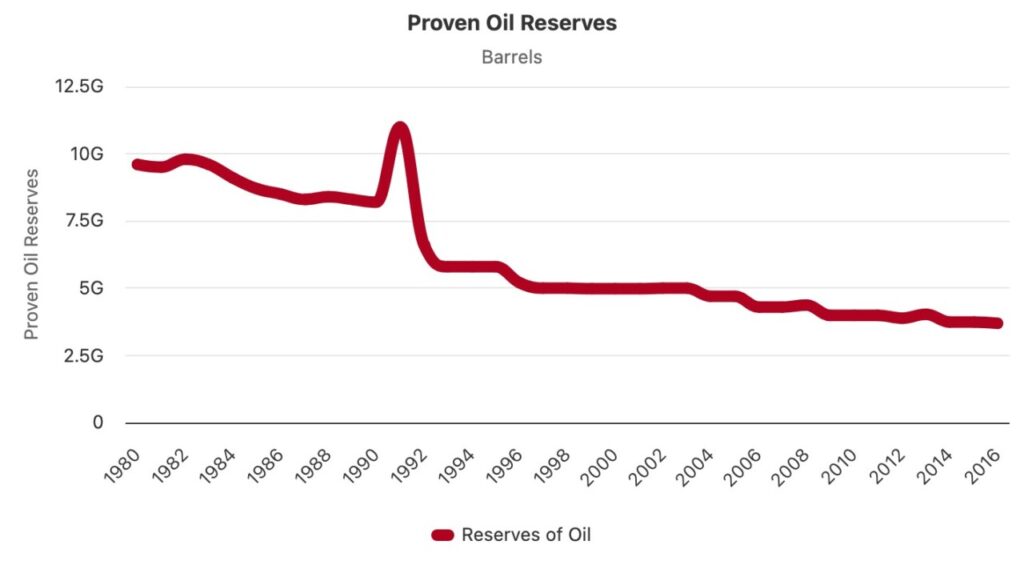
Although Indonesia’s oil reserve figures published by Worldometers are from 2016 data, reports from other sources show a downward trend in reserves in recent decades. For example, other statistics note that Indonesia’s proven reserves declined from more than 5 billion barrels in the early 2000s to around 2.4-3.7 billion barrels in recent years.
This decline reflects the exploitation of reserves faster than the discovery of new reserves, a common challenge in medium-sized oil-producing countries. The effectiveness of exploration and extraction technologies will be an important factor in changing this trend in the future.
6. Implications for Indonesia’s Energy Policy
Indonesia’s limited oil reserves and its smaller production position compared to domestic consumption affect national energy policy. The government needs to balance energy security, import dependence and diversification of energy sources.
Efforts such as exploration of new oil blocks, construction of refineries, and investment in alternative energy sources are part of Indonesia’s strategy to reduce dependence on oil imports. This policy is important to ensure a stable and sustainable energy supply amidst changes in the global energy structure.
Also Read: Ethereum (ETH) Approaching Critical Moment, Is January 2026 Time to Surge?
Follow us on Google News to get the latest information about crypto and blockchain technology. Check Bitcoin price today, Solana price today, Pepe coin and other crypto asset prices through Pintu Market.
Enjoy an easy and secure crypto trading experience by downloading Pintu crypto app via Google Play Store or App Store now. Also, get a web trading experience with various advanced trading tools such as pro charting, various types of order types, and portfolio tracker only at Pintu Pro.
*Disclaimer
This content aims to enrich readers’ information. Pintu collects this information from various relevant sources and is not influenced by outside parties. Note that an asset’s past performance does not determine its projected future performance. Crypto trading activities are subject to high risk and volatility, always do your own research and use cold hard cash before investing. All activities of buying andselling Bitcoin and other crypto asset investments are the responsibility of the reader.
Reference
- Worldometers. Indonesia Oil Reserves, Production and Consumption. Accessed January 7, 2026.