5 Key Points of “Is De-Dollarization Dead?”: Its Status and Relevance in the Global Economy!
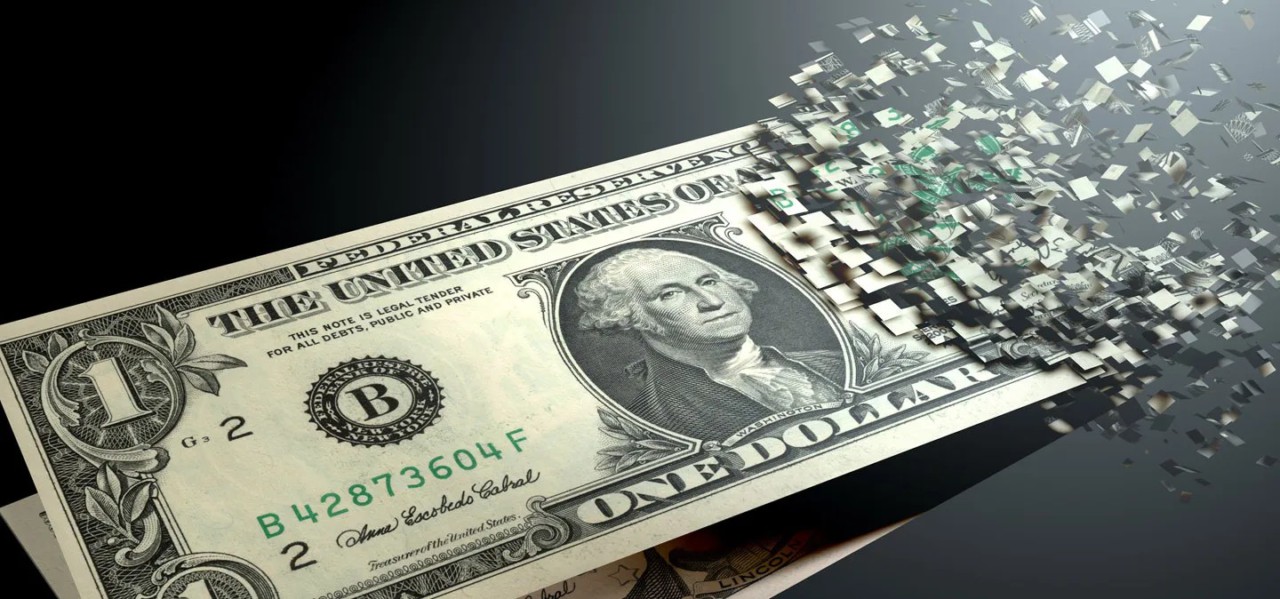
Jakarta, Pintu News – De-dollarization or efforts to reduce the dominance of the US dollar as a reserve currency and international transaction tool is not just a market term; this process has emerged in various global economic discussions. But is this trend “dead” or still relevant? This article summarizes five key points from recent analysis that help answer that question as well as its implications on investors and the broader crypto market.
1. De-Dollarization is Not Dead, but in a Vulnerable State
Recent reports suggest that de-dollarization efforts are not quite dead, but rather in a very vulnerable and teetering state. The latest data shows that foreign capital flows into US dollar-based assets reached US$ 212 billion, the highest level ever recorded, indicating that there is still a high appetite for US assets. This means the dollar’s dominance has not been fundamentally displaced despite global diversification efforts.
However, the term “not dead” does not mean de-dollarization is in full swing. Analysis suggests the phenomenon is in the “ICU” of the global economy-present, but not strong or consistent as a dominant trend.
Also Read: 7 Shocking Bitcoin & Crypto Facts in Epstein Files: Crypto’s Early Traces Revealed!
2. History of De-Dollarization as a Long-Term Process
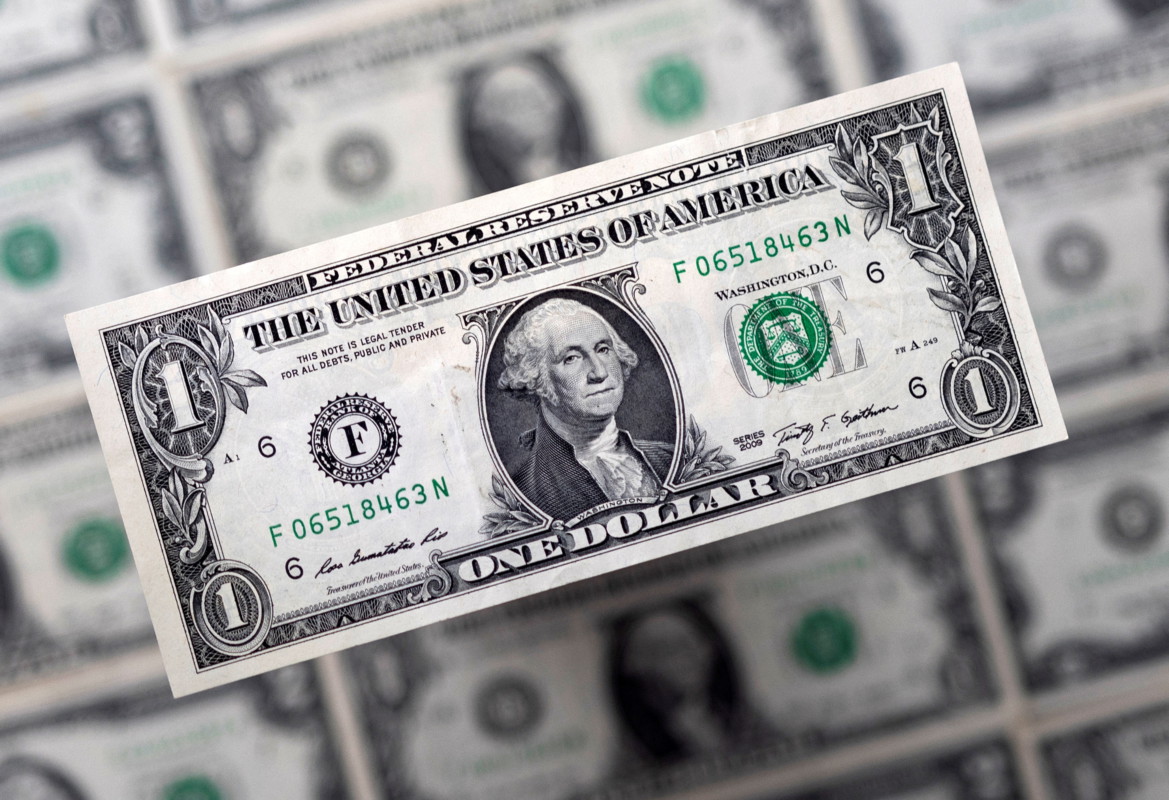
De-dollarization is not a new concept. Since Bretton Woods, the US dollar emerged as the dominant currency in international reserves and global trade. A number of countries and economic blocs began to expand bilateral relations with other currencies, but these changes were evolutive, not revolutionary.
Historical data shows that while the dollar’s share in global central bank reserves has fallen from around 71 percent a few decades ago to close to 58 percent, this change has been very gradual. This suggests that de-dollarization is slow and often triggered by specific geopolitical events rather than rapid market trends.
3. Dollar is still the dominant global currency
Despite diversification efforts, the US dollar remains the dominant currency in international trade, foreign exchange reserves and global liquidity. The large US economy and deep capital markets create steady demand for dollar-based assets, including US government bonds. These conditions strengthen the dollar’s position against other alternatives.
Some analysts even argue that the dollar’s dominance is still the main foundation of the global financial system, so the de-dollarization process does not necessarily end the dollar’s role.
4. Geopolitics and Monetary Policy Influence De-Dollarization
De-dollarization efforts often arise in response to geopolitical policies, such as sanctions or trade pressures that use the dollar as a political instrument. Countries in BRICS (Brazil, Russia, India, China, South Africa) have encouraged reserve diversification and the use of local currencies in bilateral trade as a way of reducing dependence on the US dollar.
However, while this impetus exists, its impact is not yet significant enough to replace the dollar’s widespread dominance in the global monetary system.
5. Implications for Investors and Global Markets
For investors, especially in asset sectors such as cryptocurrencies or commodities, the reality that the dollar remains dominant means that global capital flows still tend to be pegged to the strength of the US economy and the Federal Reserve’s monetary policy. Sentiment towards the US dollar can affect riskier assets such as stocks, gold and crypto.
On the other hand, the move by countries and central banks to continue expanding non-dollar currency reserves suggests that diversification is part of a long-term strategy, albeit a slow process. For crypto markets, the de-dollarization narrative is often associated with the potential adoption of alternative assets as a store of value, but global trends suggest the shift in currency dominance remains a long and complex process.
Also Read: 4 Shocking Facts about Bitcoin Breaking Rp1.42 Billion: Similar to BTC April 2025 Technical Signal!
Follow us on Google News to stay up to date with the latest crypto and blockchain technology. Check Bitcoin price, USDT to IDR and Nvidia stock price tokenized via Pintu Market.
Enjoy an easy and secure crypto trading experience by downloading the Pintu crypto app via Play Store or App Store now. Also, experience web trading with advanced trading tools such as pro charting, various order types, and portfolio tracker only at Pintu Pro.
*Disclaimer
This content aims to enrich readers’ information. Pintu collects this information from various relevant sources and is not influenced by outside parties. Note that an asset’s past performance does not determine its projected future performance. Crypto trading activities are subject to high risk and volatility, always do your own research and use cold hard cash before investing. All activities of buying and selling Bitcoin and other crypto asset investments are the responsibility of the reader.
Reference:
- Watcher Guru. Is De-Dollarization Dead? Accessed February 4, 2026.