7 Steps to Play Crypto for Beginners: A Concise & Practical Guide

Jakarta, Pintu News – Crypto is now not just a trend, but an important part of the digital financial ecosystem that offers investment opportunities and global transactions without a bank intermediary. For those just starting out, understanding how to play crypto – from digital wallets, to registration, to making transactions – is important to minimize risk and maximize understanding of digital assets. This article summarizes the seven key steps you should know before diving into the world of cryptocurrency.
1. Understand the Basics of Cryptocurrency and Blockchain
Before you start playing crypto, you need to know that cryptocurrencies are digital assets that run on blockchain technology, a decentralized ledger that records all transactions. Blockchain ensures that transactions cannot be altered and verified without a central authority. By understanding this mechanism, you can see how Bitcoin , Ethereum , and other altcoins work on a secure peer-to-peer network.
Learning about blockchain also helps you understand how technologies like smart contracts function and how networks like Ethereum support applications on top of them. This fundamental understanding will strengthen your investment strategy and risk expectations in the crypto market.
2. Choose a Reliable Crypto Exchange
How to play crypto starts with choosing a safe and regulated crypto exchange to buy, sell, or store digital assets. Exchanges like Binance, Coinbase, and local ones like Indodax are popular because they provide a variety of trading pairs. When choosing an exchange, be sure to consider security factors, transaction fees, and ease of use.
Also, consider platforms that provide educational features, customer support, and integration with external wallets. A good exchange will also provide identity verification for account security and protection against suspicious activity.
3. Create a Cryptocurrency Wallet

After opening an account on an exchange, the next step is to create a cryptowallet to store your private and public keys. Wallets store proof of ownership of digital assets and allow you to send and receive crypto. There are two main types of wallets: custodial (held by the exchange) and non-custodial(self-custody), where you hold the private keys in full.
Non-custodial wallets such as MetaMask, Trust Wallet, orhardware wallets give you full control over your assets, but also mean you are solely responsible for the security of your private keys. Choose the type of wallet that suits your security and convenience needs.
4. Learn How to Deposit and Complete Verification
Before you can start making transactions, you need to deposit funds into your crypto exchange account. This usually involves a bank transfer or other payment service depending on the platform you choose. Many exchanges also require identity verification (KYC) before you can trade fully, including uploading ID documents.
Verification ensures your account is better protected and complies with local regulations. This process usually includes email address confirmation, photo identification, and sometimes proof of address. Once verification is complete, you are ready to buy and trade crypto assets.
5. Recognize Transaction Types & Trading Pairs
How to play crypto doesn’t stop at buying; you should also understand the different types of transactions such as spot trading, limit orders, and trading markets. In spot markets, you buy or sell crypto directly at the current market price. While limit orders allow you to set a target price.
Also, look at trading pairs such as BTC/USDT or ETH/BTC to determine the exchange rate to use. Understanding these dynamics helps you make better decisions when entering and exiting market positions.
6. Use the Right Risk Strategy
Crypto is notoriously volatile, so a sensible way to play crypto involves risk management strategies. This includes setting astop-loss limit, maintaining an appropriate capital allocation, and not investing more than you’re prepared to lose.
It is also important to learn about asset diversification to reduce the overall risk of the portfolio. For example, not only focus on one cryptocurrency but also consider other altcoins with solid fundamentals.
7. Safety and Best Practices
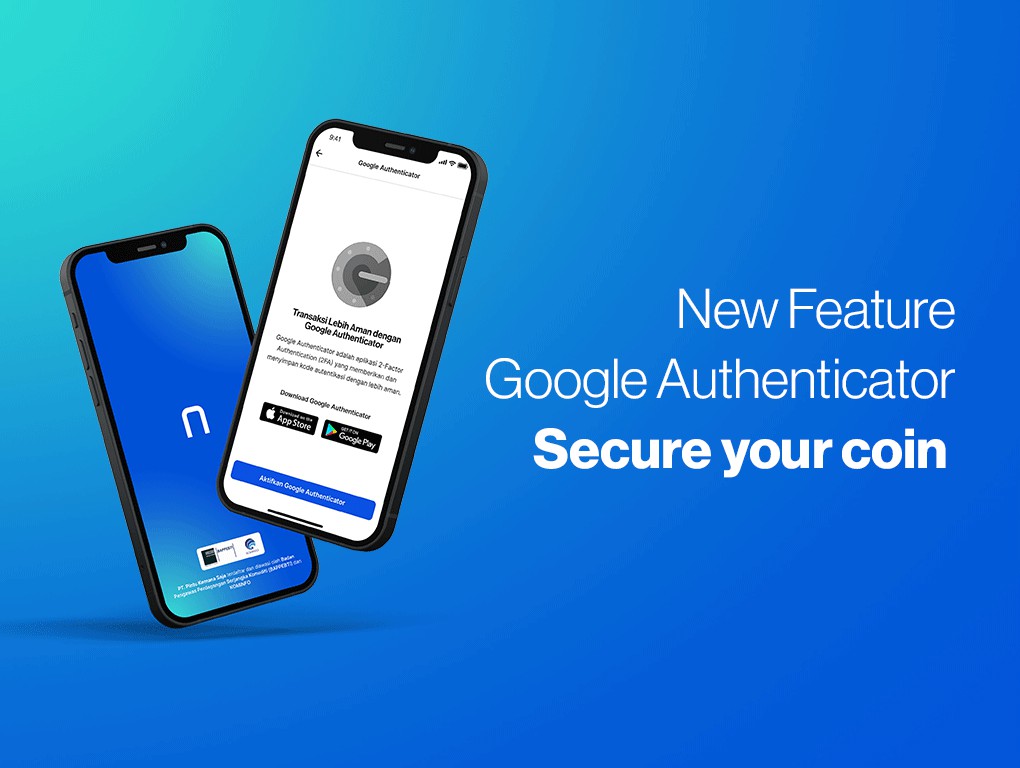
An important aspect of how to play crypto is security. Always enable two-factor authentication (2FA) for exchange accounts and wallets. Never share your private keys with anyone. Also, be aware of phishing and suspicious links that try to steal your login information or access to your wallet.
Use hardware wallets to store large assets and keep private key backups in a safe place. These security practices help protect your digital assets from potential cyberattacks.
Also Read: Japan’s oil reserves reach 254 days: How Can It Have Such Large Energy Stocks?
Follow us on Google News to stay up to date with the latest in crypto and blockchain technology. Check Bitcoin price, usdt to idr and tokenized nvidia stock price through Pintu Market.
Enjoy an easy and secure crypto trading and crypto gold investment experience by downloading the Pintu crypto app via Play Store or App Store now. Also, experience web trading with advanced trading tools such as pro charting, various order types, and portfolio tracker only at Pintu Pro.
*Disclaimer
This content aims to enrich readers’ information. Pintu collects this information from various relevant sources and is not influenced by outside parties. Note that an asset’s past performance does not determine its projected future performance. Crypto trading activities are subject to high risk and volatility, always do your own research and use cold hard cash before investing. All activities of buying andselling Bitcoin and other crypto asset investments are the responsibility of the reader.
Reference:
– Coursera Staff. Accessed March 15, 2026.