5 Important Things about Spreads in Trading and How to Calculate Them
Jakarta, Pintu News – In the world of trading, spreads are one of the key terms to understand. Spreads refer to the difference between the buying and selling price of an asset, which forms part of a trader’s transaction costs.
Understanding the definition, types, influencing factors, and how to calculate spreads can help you make more informed and efficient trading decisions.
1. What is Spread in Trading
In the world of trading, a spread is the difference between the buy price(offer/ask price) and the sell price(bid price) of an asset. Spreads are an important component of Contracts for Difference (CFDs) and other derivative instruments, as they are one of the ways in which the price of the instrument is shaped.
Typically, the buy price is slightly higher than the underlying market price, while the sell price is slightly lower. Spreads are not only applicable in CFDs, but are also used in various other financial instruments such as forex, stocks, commodities, and options (options spread).
Also Read: 5 Unique Facts Behind Ethereum (ETH) that You Might Not Know About
2. Bid-Offer Spread
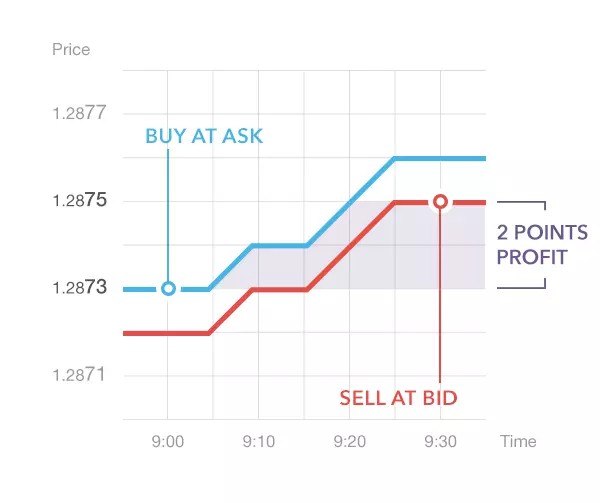
The term bid-offer spread or bid-ask spread is another way of referring to the spread applied to the price of an asset.
- Bid price → the highest price a buyer is willing to pay.
- Offer/ask price → the lowest price a seller is willing to accept.
This spread represents the level of supply and demand in the market. If the spread is narrow, the market is considered a tight market (high price consensus). If the spread is wide, it means that the difference of opinion between buyers and sellers is quite large.
3. Factors Affecting Spread Width
Some of the main factors that affect the size of the spread include:
- Liquidity → The more liquid an asset is (easy to buy/sell), the narrower the spread tends to be.
- Trading Volume → Assets with high daily transaction volumes usually have smaller spreads.
- Volatility → When markets are volatile and prices change rapidly, spreads usually widen.
4. Spread as a Trading Cost
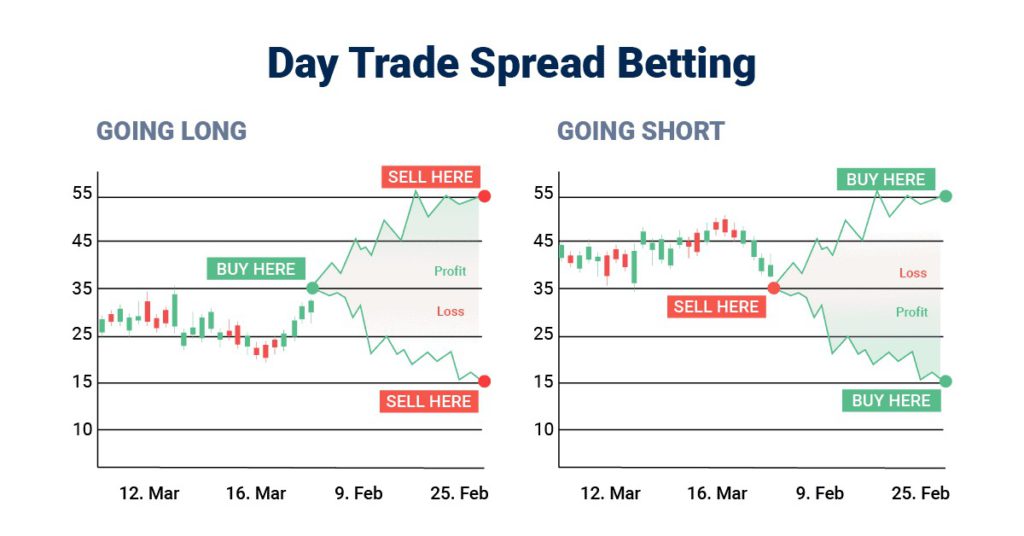
Spreads are a form of fee that traders pay to open a position.
- On certain instruments such as stocks, brokers may charge a commission with no spread.
- In other instruments like forex or indices, spreads are often the main source of cost.
In order to profit, the market price must move beyond the value of the spread. Otherwise, even if the predicted price direction is correct, the position may still lose money due to the cost of the spread.
5. Spread Calculation Example
For example, the market price of an asset is $1339.10:
- Buy price (long) → $1339.25
- Sell price (short) → $1338.95
Spread = $1339.25 – $1338.95 = 0.30 points.
That is, there is an additional 0.15 points above the market price for buying, and a reduction of 0.15 points below the market price for selling.
A spread is the difference between the buying and selling price of an asset and is part of the cost of trading. The size of the spread is influenced by market liquidity, volume and volatility. Understanding how spreads work helps traders estimate costs and potential profits more accurately.
Also Read: 7 Ethereum (ETH) Developments to Anticipate in 2025
Follow us on Google News to get the latest information about the world of crypto and blockchain technology. Check today‘ s bitcoin price, today’s solana price, pepe coin and other crypto asset prices through Pintu Market.
Enjoy an easy and secure crypto trading experience by downloading Pintu crypto app through Google Play Store or App Store now. Also, get a web trading experience with various advanced trading tools such as pro charting, various types of order types, and portfolio tracker only at Pintu Pro.
*Disclaimer
This content aims to enrich readers’ information. Pintu collects this information from various relevant sources and is not influenced by outside parties. Note that an asset’s past performance does not determine its projected future performance. Crypto trading activities are subject to high risk and volatility, always do your own research and use cold hard cash before investing. All activities of buying andselling Bitcoin and other crypto asset investments are the responsibility of the reader.
Reference:
- IG. Spread Definition. Accessed August 14, 2025