5 Cryptos with the Tightest Ranking Spreads on the Futures Market – Save on Trading Costs!

Jakarta, Pintu News – In the world of crypto and cryptocurrency futures, spreads (the difference between bid and ask prices) are one of the cost components that traders feel the most. Narrow spreads signal high liquidity and an active market, which can reduce slippage and transaction costs.
Here are 5 cryptos that are known to have the tightest spreads in the futures market – meaning that they are suitable for traders who take cost efficiency into account.
1. Bitcoin (BTC) – Limited Spreads Due to Ultra High Liquidity

Bitcoin has consistently been the most liquid asset in the global futures market.
Due to large trading volumes and dense order books, the spread between bid and ask for BTC futures is usually very thin (according to large exchange data).
Traders choose BTC futures because of the ease of execution with minimal spread costs compared to altcoins that are thinner in liquidity.
Also Read: 5 Big Impacts of US Crypto Regulation: Novogratz Predicts Market Cycles Will Change Forever
2. Ethereum (ETH) – A Tight Spread Pick in a Major Altcoin Class
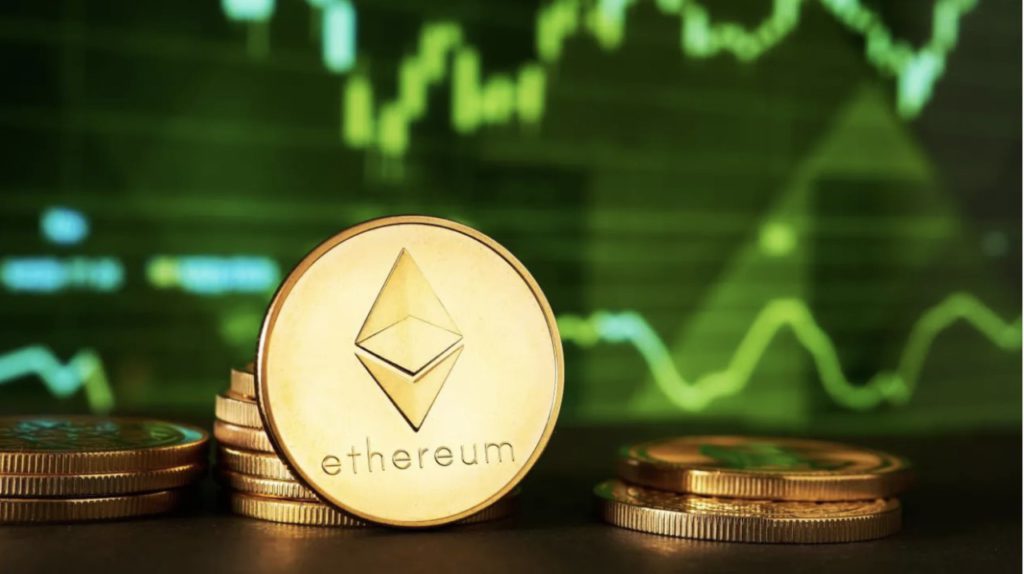
Ethereum is second only to BTC in terms of derivatives liquidity and volume. Spreads on ETH futures are relatively small due to the large number of market participants and the depth of the order book. This makes ETH futures a popular choice especially for traders who want altcoin exposure without paying large spreads.
3. Solana (SOL) – Layer-1 Altcoin with Competitive Spreads

SOL gets a lot of attention due to its high adoption and high ecosystem activity.
In the futures market, SOL often shows quite competitive spreads compared to other altcoins. This is due to relatively good liquidity, especially on large exchanges that support SOL futures contract trading.
4. XRP – Stable Spreads Despite Volatile Regulation
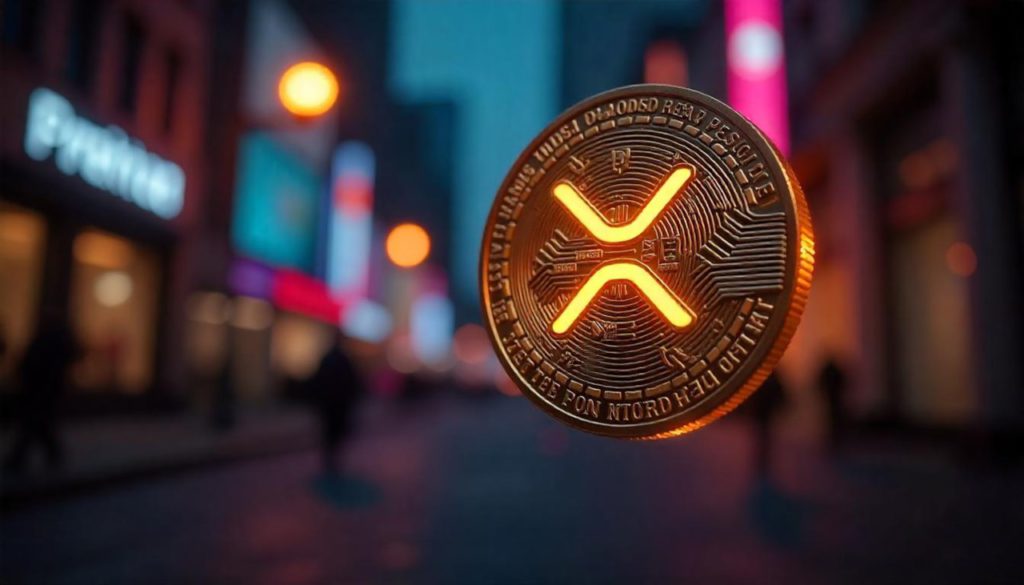
XRP is often under the regulatory spotlight, but on many futures exchanges, its spreads are still relatively tight. Traders who actively watch XRP futures find its spreads relatively stable compared to altcoins with extreme volatility. XRP’s presence on the tight spreads list shows that market makers are still giving the token some liquidity.
5. BNB (Binance Coin) – Token Exchange with Attractive Spreads

BNB, as the native token of Binance, plays an important role in the exchange’s ecosystem.
In futures contracts, BNB also exhibits narrower spreads than most of the common altcoins. Since BNB is widely used within the Binance ecosystem (for fees, staking, etc.), its derivatives market is better supported by liquidity.
Why are Tight Spreads Important for Futures Traders?
- Lower Transaction Costs
Narrow spreads mean the difference between buy and sell prices is small – this instantly reduces the “transaction cost” that traders have to bear. - Faster Execution & Minimal Slippage
With thin spreads, market orders are filled faster and the risk of slippage is reduced. - Reflection of Market Liquidity & Interest
Assets with tight spreads usually reflect high liquidity and the presence of many market participants, which also signals a competitive and healthy market.
Spread Data Can Change Quickly
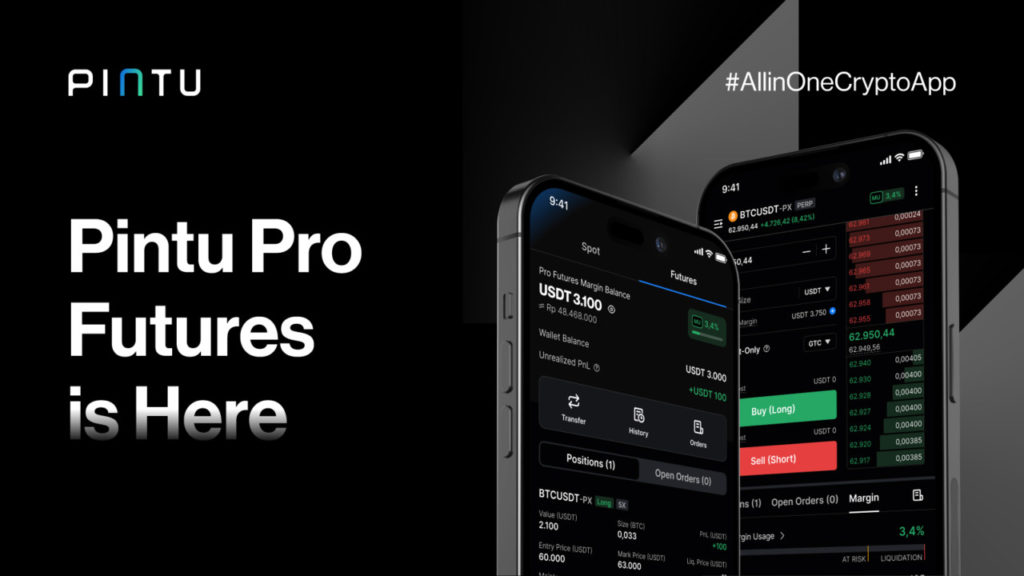
Futures spreads are not fixed numbers – they are highly dependent on market conditions such as volatility, liquidity, and order book depth. Some exchanges provide average spreads or “min raw spreads” for popular cryptos like BTC/USDT or ETH/USDT.
However, for altcoins with lower activity, spreads can widen significantly when the market moves sharply.
For Indonesian traders, local platforms like Pintu Futures provide easy and transparent access to the futures market, complete with competitive spreads.
Also Read: 7 Astonishing Facts: Number of Crypto Billionaires to Rise 40% by 2025, Who Benefits?
Follow us on Google News to get the latest information about the world of crypto and blockchain technology. Check today‘ s bitcoin price, today’s solana price, pepe coin and other crypto asset prices through Pintu Market.
Enjoy an easy and secure crypto trading experience by downloading Pintu crypto app through Google Play Store or App Store now. Also, get a web trading experience with various advanced trading tools such as pro charting, various types of order types, and portfolio tracker only at Pintu Pro.
*Disclaimer
This content aims to enrich readers’ information. Pintu collects this information from various relevant sources and is not influenced by outside parties. Note that an asset’s past performance does not determine its projected future performance. Crypto trading activities are subject to high risk and volatility, always do your own research and use cold hard cash before investing. All activities of buying andselling Bitcoin and other crypto asset investments are the responsibility of the reader.
Reference:
- Brokerage. Best Low Spread Crypto Pairs To Trade Actively. Accessed September 26, 2025