JPMorgan Predicts Oil Price Fall to $30 by 2027

Jakarta, Pintu News – JPMorgan recently issued a surprising prediction about the future of the oil market. According to the latest report from the major bank, the price of Brent oil, which is the main benchmark, is expected to drop dramatically to around $30 by 2027. This decline is triggered by various factors that are currently disrupting the market balance.
Dynamics of Oversupply
Currently, the global oil market is facing serious challenges due to oversupply. Non-OPEC countries such as the United States, Brazil, Canada and Guyana continue to increase their oil production. This has caused oil prices to stabilize at lower levels, potentially affecting the global economy as a whole.
This condition is exacerbated by weak economic growth projections from several major countries. Europe and China, for example, expect modest economic growth in the near future. This directly impacts oil demand, which in turn pressures oil prices to lower levels.
Also Read: Invest $1,000 in XRP: Potential Profits to Reach Tens of Thousands of Dollars in 2040?
Global Economic Implications
The decline in oil prices has far-reaching effects, not only on the oil and gas industry, but also on the global economy as a whole. Industries that depend on oil as a key raw material may experience a decrease in production costs, but on the other hand, countries that depend on oil exports will feel severe economic pressure.
In addition, investors and financial markets are also highly sensitive to fluctuations in oil prices. A sharp and sudden drop in prices can cause market instability, potentially affecting investments and currency exchange rates in many countries.
Long-term Projections and Adaptation Strategies
Faced with predictions of low oil prices, energy companies and governments around the world may need to adjust their strategies. Diversifying energy sources and investing in renewable energy technologies could be key to reducing dependence on oil.
On the other hand, oil-intensive consumers and industries will probably benefit from lower oil prices. However, this also drives the need to invest more in energy efficiency and innovation to prepare for a more sustainable future.
Conclusion
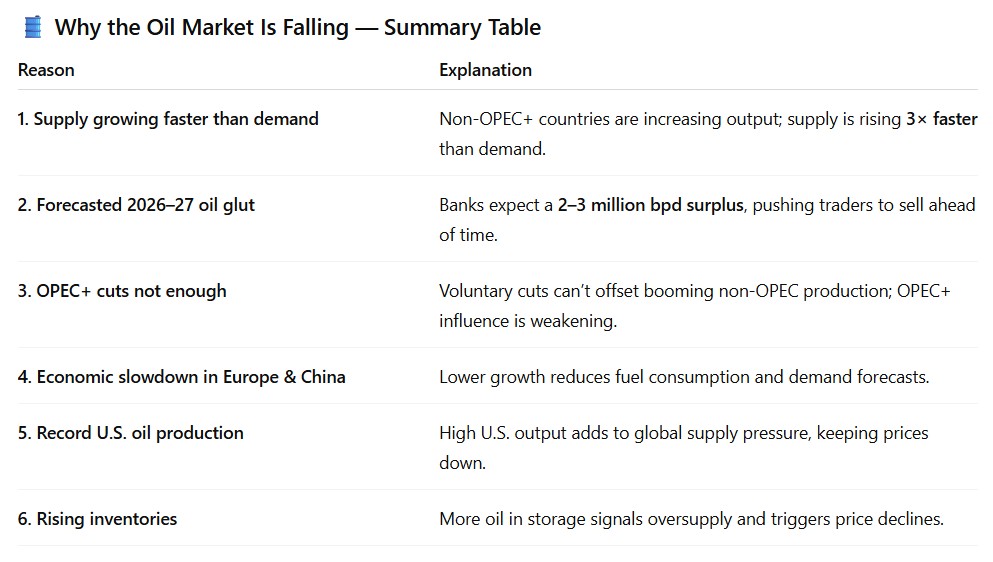
JPMorgan’s prediction of oil prices falling to $30 by 2027 points to the significant changes that are likely to occur in the global energy market. Factors such as oversupply and weak economic growth are key in this analysis. Going forward, stakeholders in the energy industry may have to navigate these challenges with adaptive and innovative strategies.
Also Read: Hedera (HBAR) Needs Nearly 40% Hike to Recover November Losses
Follow us on Google News to get the latest information about crypto and blockchain technology. Check Bitcoin price today, Solana price today, Pepe coin and other crypto asset prices through Pintu Market.
Enjoy an easy and secure crypto trading experience by downloading Pintu crypto app via Google Play Store or App Store now. Also, get a web trading experience with various advanced trading tools such as pro charting, various types of order types, and portfolio tracker only at Pintu Pro.
*Disclaimer
This content aims to enrich readers’ information. Pintu collects this information from various relevant sources and is not influenced by outside parties. Note that an asset’s past performance does not determine its projected future performance. Crypto trading activities are subject to high risk and volatility, always do your own research and use cold hard cash before investing. All activities of buying andselling Bitcoin and other crypto asset investments are the responsibility of the reader.
FAQ
Q1: What led JPMorgan to predict the decline in oil prices?
A1: JPMorgan predicts a decline in oil prices due to oversupply from non-OPEC countries and weak economic growth projections from major countries such as Europe and China.
Q2: When does JPMorgan expect oil prices to drop to $30?
A2: JPMorgan forecasts that oil prices could fall to the $30 range by 2027.
Q3: How has the decline in oil prices impacted the global economy?
A3: A drop in oil prices can affect the global economy by lowering production costs for oil-dependent industries, but it also depresses the economies of oil-exporting countries.
Q4: What can energy companies do in the face of predicted low oil prices?
A4: Energy companies may need to diversify energy sources and increase investment in renewable energy technologies to reduce dependence on oil.
Q5: How can consumers and industry adapt to lower oil prices?
A5: Consumers and industries can take advantage of lower oil prices to improve energy efficiency and invest in innovation, preparing for a more sustainable future.
Reference
- Watcher Guru. JPMorgan Warns Oil Could Crash Into the 30s by 2027. Accessed on November 27, 2025