Nick Szabo opens up about the future of Bitcoin (BTC), what does he say?
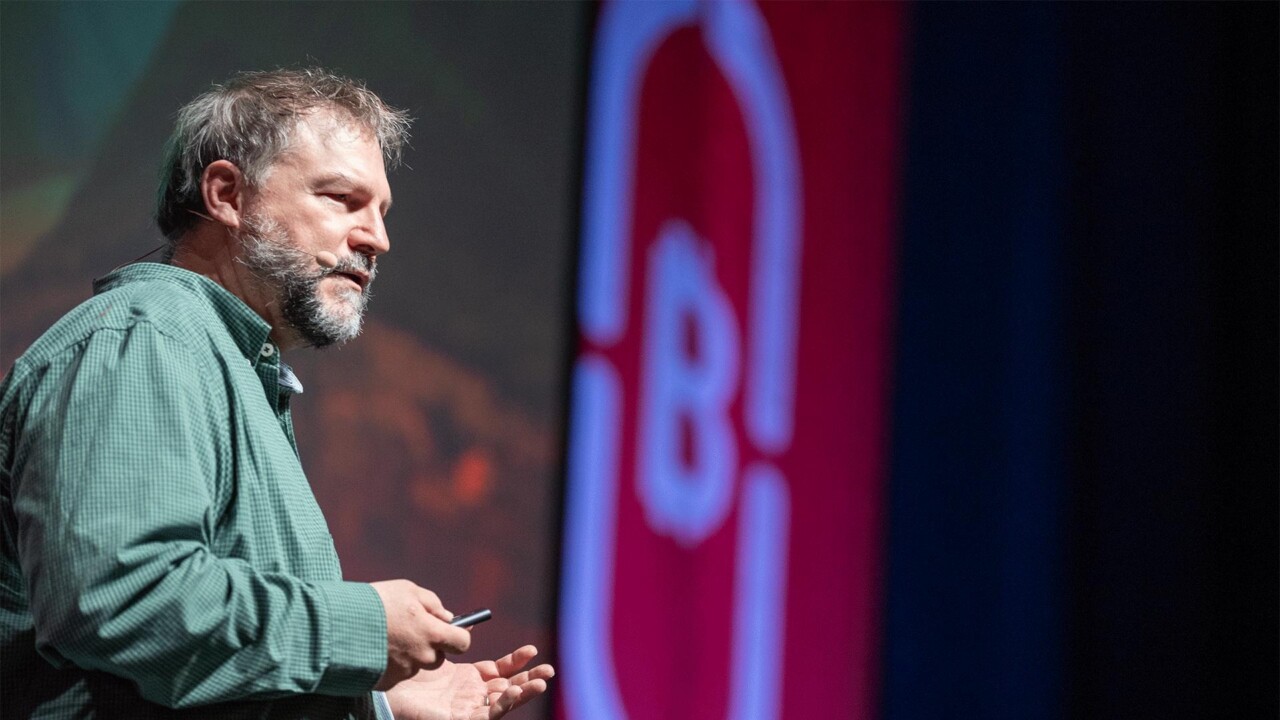
Jakarta, Pintu News – Nick Szabo, known as one of the early thinkers who shaped the Bitcoin philosophy, recently expressed his views on the future of the world’s oldest cryptocurrency. In a series of unusual tweets, Szabo emphasized that Bitcoin (BTC) is still in the process of learning, not from a technical point of view, but a psychological one.
This is happening as more people understand its role as a low-confidence, inflation-resistant form of savings amidst increasing global economic instability.
Adoption and Speculation
According to Szabo, Bitcoin (BTC)’s long-term pattern is similar to popular stocks on the NASDAQ, where there is a wave of adoption followed by excessive speculation and a lot of noise in between. This suggests that there is still a lot for the market to learn about how Bitcoin (BTC) works and its potential as a future asset.
Bitcoin (BTC) adoption is still at an early stage, with many market participants not fully understanding or accepting the concept behind it. This creates significant price fluctuations, which are often driven by speculation rather than real adoption. However, over time, a deeper understanding is expected to stabilize the Bitcoin (BTC) exchange rate.
Also read: RLUSD Breaks $1 Billion Market Cap, What’s the Strategy?
More than Just Technology
Szabo emphasized that many focus too much on macroeconomic data such as M2 supply and correlation with gold, which he believes are still secondary signals. Bitcoin (BTC) needs to go through a full education cycle before these factors become significantly relevant to its price.
The importance of Bitcoin (BTC) lies not only in its technology, but also in its ability as “sound money”. This means Bitcoin (BTC) offers a stable and non-dilutable alternative, which is especially valuable amid global economic uncertainty. However, the full realization of this potential still requires time and a wider understanding from the global community.
Read also: Red Warning from Michael Burry and Warren Buffett: Markets Headed for a Meltdown?
Responding to Market Doubts
When an analyst expressed concern that Bitcoin (BTC) might hit a “ceiling or a cliff”, Szabo rejected that view saying that the history of the money and the architecture of Bitcoin (BTC) already shows what is most likely to happen.
According to him, Bitcoin (BTC) will continue to evolve as understanding and adoption increases. While the market may be less philosophical about this – with Bitcoin (BTC) trading around $104,500, down almost 2% in a day – Szabo’s message is very clear: Bitcoin (BTC)’s biggest signal is still education, not macroeconomics. This process has only just begun to unfold.
Conclusion
With the newly expressed views by Nick Szabo, it is clear that the future of Bitcoin (BTC) still depends largely on how the global community understands and adopts this technology. While there is a lot of speculation and volatility in the market today, the solid foundations and deep philosophy of Bitcoin (BTC) promise a stable and innovative future.
That’s the latest information about crypto. Follow us on Google News to get the latest crypto news about crypto projects and blockchain technology. Also, learn crypto from scratch with complete discussion through Pintu Academy and stay up-to-date with the latest crypto market such as bitcoin price today, xrp coin price today, dogecoin and other crypto asset prices through Pintu Market.
Enjoy an easy and secure crypto trading experience by downloading Pintu crypto app through Google Play Store or App Store now. Also, get a web trading experience with various advanced trading tools such as pro charting, various types of order types, and portfolio tracker only at Pintu Pro.
*Disclaimer
This content aims to enrich readers’ information. Pintu collects this information from various relevant sources and is not influenced by outside parties. Note that an asset’s past performance does not determine its projected future performance. Crypto trading activities have high risk and volatility, always do your own research and use cold cash before investing. All activities of buying and selling bitcoin and other crypto asset investments are the responsibility of the reader.
Reference
- U.Today. Bitcoin Legend Nick Szabo Finally Clears the Air on BTC’s Future. Accessed on November 5, 2025
- Featured Image: JAN3


