Kevin Hassett: Favorite Candidate with Pro-Crypto and Low Interest Rate Policies
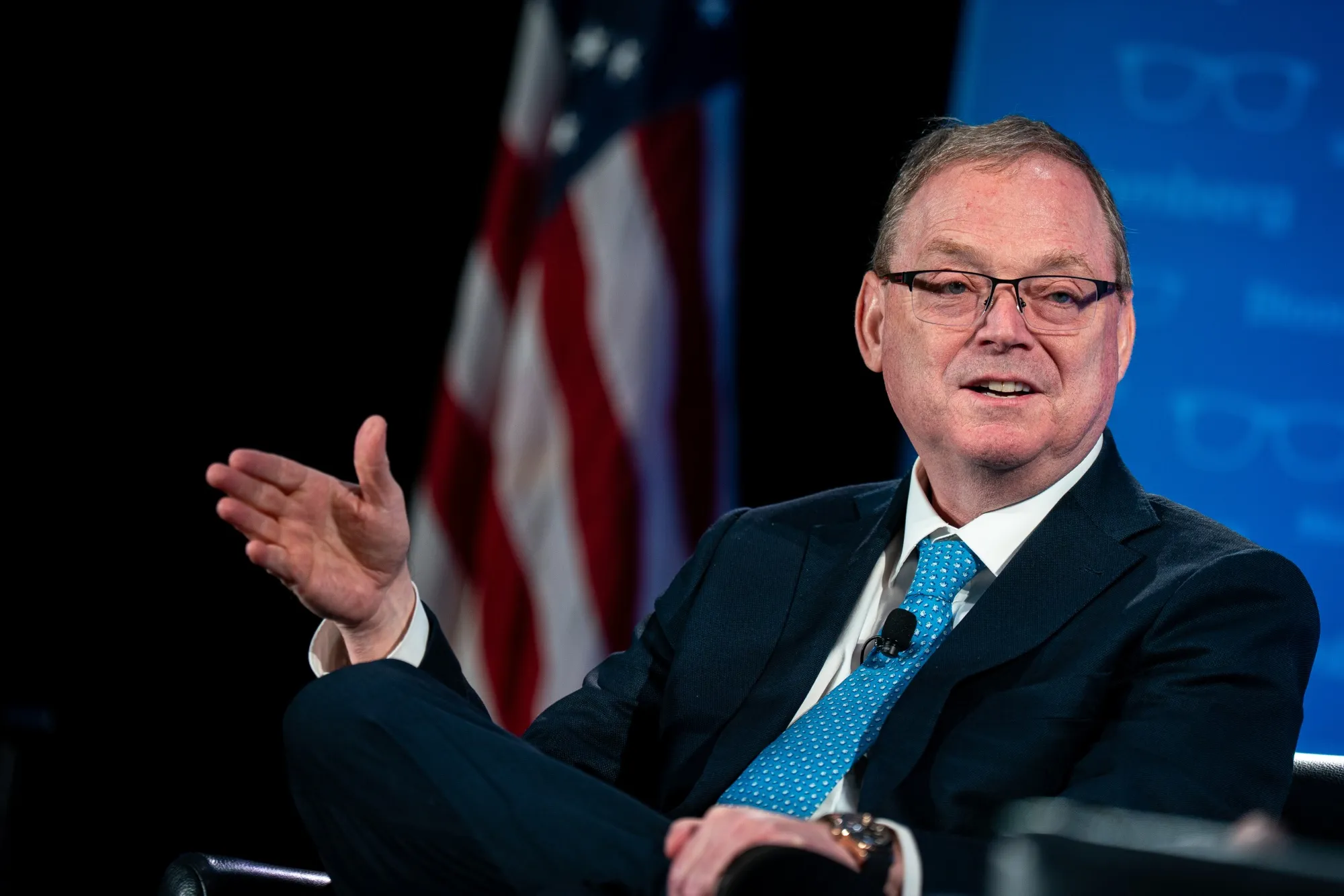
Jakarta, Pintu News – The Director of the National Economic Council, Kevin Hassett, has publicly stated his readiness to replace Jerome Powell as Chairman of the Federal Reserve. This statement immediately affected risk asset prices with expectations of a radical change in US monetary policy.
In Sunday’s interview, Hassett expressed his willingness to serve if selected by President-elect Trump, a comment in line with Treasury Secretary Scott Bessent’s plans for a nomination before Christmas.
‘Coinbase’ candidate
In the digital asset sector, Hassett is considered a potential regulatory bulwark. Unlike traditional central bankers, Hassett has close and direct ties to the crypto industry. He was once part of Coinbase’s Academic and Regulatory Advisory Board and owns shares in the exchange.
Bitwise Senior Strategist, Juan Leon, argues that this background makes Hassett the “highest beta” candidate for crypto. His appointment will likely mark the end of the “regulation through enforcement” era, and be replaced with an administration that sees digital assets as a tool for dollar hegemony rather than a systemic risk.
Policy Pivot: Cheaper Money, Scarcer Dollars
While markets welcome the prospect of lower interest rates, the Hassett-Bessent doctrine is more complicated than simply “printing money”. Market commentator Felix Jauvin described the emerging strategy as “Dovish FFR (Fed Funds Rate), Hawkish Balance Sheet”.
Read also: Ripple Expands MPI License in Singapore for Full Institutional Custody Services
This indicates a more subtle approach in managing monetary policy that not only focuses on cutting interest rates but also on tight balance sheet management.
Conclusion
Prediction platform Kalshi reported that Hassett’s odds have increased to 55%, reflecting his support for faster rate cuts and alignment with the president’s economic approach.
Analysts following the digital asset sector have noted Hassett’s history, which includes advising on regulatory issues involving digital assets. Hassett’s previous involvement in digital asset policy includes his role on Coinbase’s advisory board and work in a White House working group focused on regulatory guidelines.
FAQ
Who is Kevin Hassett?
Kevin Hassett is the Director of the National Economic Council who has expressed his readiness to replace Jerome Powell as Chairman of the Federal Reserve.
What is Kevin Hassett’s background in the crypto industry?
Kevin Hassett was once part of Coinbase’s Academic and Regulatory Advisory Board and owns shares in the exchange, showing his deep involvement in the crypto industry.
How does Hassett’s appointment affect the policy towards digital assets
Hassett’s appointment will likely end the era of “regulation through enforcement” and replace it with an administration that sees digital assets as a tool for dollar hegemony.
What is “Dovish FFR, Hawkish Balance Sheet”?
“Dovish FFR (Fed Funds Rate), Hawkish Balance Sheet” is a strategy described by Felix Jauvin that suggests a more subtle approach to managing monetary policy, focusing on interest rate cuts and tight balance sheet management.
What are the chances of Kevin Hassett becoming Federal Reserve Chairman according to Kalshi’s prediction platform?
According to prediction platform Kalshi, Kevin Hassett’s chances of becoming the Federal Reserve Chair have risen to 55%.
That’s the latest information about crypto. Follow us on Google News to get the latest crypto news about crypto projects and blockchain technology. Also, learn crypto from scratch with complete discussion through Pintu Academy and stay up-to-date with the latest crypto market such as bitcoin price today, xrp coin price today, dogecoin and other crypto asset prices through Pintu Market.
Enjoy an easy and secure crypto trading experience by downloading Pintu crypto app via Google Play Store or App Store now. Also, get a web trading experience with various advanced trading tools such as pro charting, various types of order types, and portfolio tracker only at Pintu Pro.
*Disclaimer
This content aims to enrich readers’ information. Pintu collects this information from various relevant sources and is not influenced by outside parties. Note that an asset’s past performance does not determine its projected future performance. Crypto trading activities have high risk and volatility, always do your own research and use cold cash before investing. All activities of buying and selling bitcoin and other crypto asset investments are the responsibility of the reader.
Reference
- Coinedition. Kevin Hassett Fed Chair Signal Coinbase Ties Crypto Impact. Accessed on December 2, 2025
- Featured Image: Bloomberg


