5 Global Players Investing Big in Real-World Asset Tokenization
Jakarta, Pintu News – The tokenization of real-world assets (RWA) is becoming a global trend that combines blockchain technology with traditional assets such as property, bonds, and artwork. Several countries and major financial institutions are now investing heavily in this initiative, driving a transformation in the way assets are managed and traded. Here are five global players active in the development of RWA tokenization.
1. Saudi Arabia: Combining AI and Blockchain
Saudi Arabia has launched the Saudi Arabia AI and Blockchain Center (SAAIBC) in collaboration with startup COTI. The initiative aims to integrate artificial intelligence and blockchain technology to create a more efficient and automated financial economy.
With support from a $40 billion public investment fund through the Vision 2030 program, Saudi Arabia seeks to become a global AI powerhouse. COTI plays a role in ensuring the privacy and compliance of the tokenization infrastructure required for institutional adoption.
Also Read: BONK Freefalls 8% in 24 Hours: Check out the Price Levels that Can Prevent Further Declines!
2. Dubai: Web3 Innovation Center and Property Tokenization
Dubai has established its position as one of the world’s leading Web3 and blockchain technology centers. With over 1,000 blockchain startups, many of which focus on tokenizing real-world assets.
The Dubai Land Department is leading the Real Estate Tokenization project that enables joint property ownership by multiple investors, opening up wider access to property investment.
3. United States: Involvement of Large Financial Institutions
In the United States, large financial institutions like BlackRock and Franklin Templeton have invested billions of dollars in real-world asset tokenization projects. They see tokenization as a way to increase transparency and efficiency in asset management.
BlackRock, for example, has launched their first tokenized fund on the Ethereum blockchain, allowing institutional investors to participate in the digital money market.
4. Singapore: Fostering Innovation and Supportive Regulations
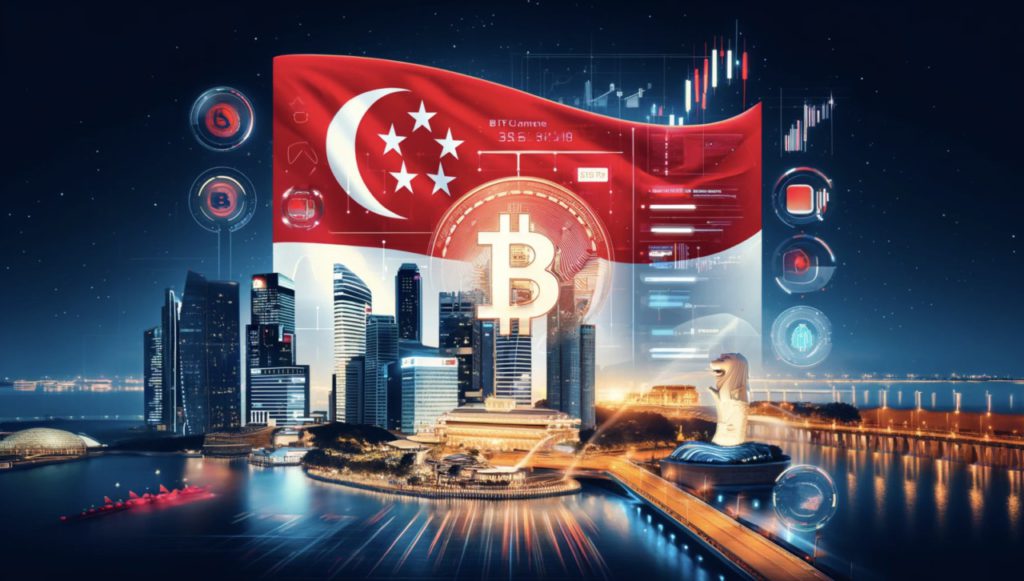
Singapore is known as one of the countries with progressive crypto regulations, attracting many blockchain companies to operate there. Singapore’s government and financial authorities actively encourage innovation in the tokenization of real-world assets.
Tokenization projects in Singapore cover a wide range of sectors, including real estate and bonds, with the aim of improving the liquidity and accessibility of financial markets.
5. European Union: Standardization and Technology Adoption
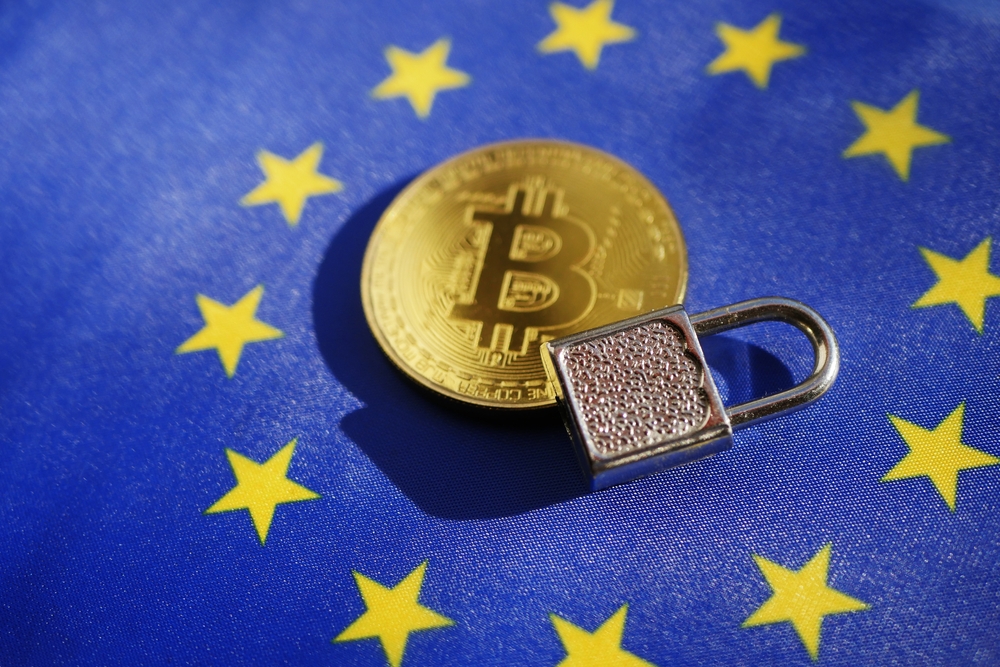
The European Union, through various initiatives, is working to standardize and adopt tokenization technology in their financial system. Member states are actively exploring the use of blockchain to improve efficiency and transparency in asset management.
With a coordinated approach, the EU has the potential to become a leader in the adoption of real-world asset tokenization at a global level.
Conclusion
The tokenization of real-world assets offers the potential for a major transformation in the global financial system, improving efficiency, transparency, and accessibility. With active engagement from countries and major financial institutions, the future of RWA tokenization looks bright and promising.
Also Read: Ethereum Hangs Above $1,770: Can It Reach $2,030 Next?
That’s the latest information about crypto. Follow us on Google News for the latest crypto and blockchain technology updates. Enjoy an easy and secure crypto trading experience by downloading Pintu crypto app via Google Play Store or App Store now.
Experience web trading with advanced trading tools such as pro charting, various order types, and portfolio tracker only at Pintu Pro. Pintu Pro Futures is also available, where you can buy bitcoin leverage, trade btc futures, eth futures and sol futures easily from your desktop!
*Disclaimer
This content aims to enrich readers’ information. Pintu collects this information from various relevant sources and is not influenced by outside parties. Note that an asset’s past performance does not determine its projected future performance. Crypto trading activities are subject to high risk and volatility, always do your own research and use cold hard cash before investing. All activities of buying andselling Bitcoin and other crypto asset investments are the responsibility of the reader.
Reference:
- Crypto Daily. 5 Global Players Betting Big On Tokenized Real-World Assets. Accessed May 6, 2025.
- Featured Image: Generated by Ai