Why Proof-of-Stake Validators Need an Overhaul in 2025?
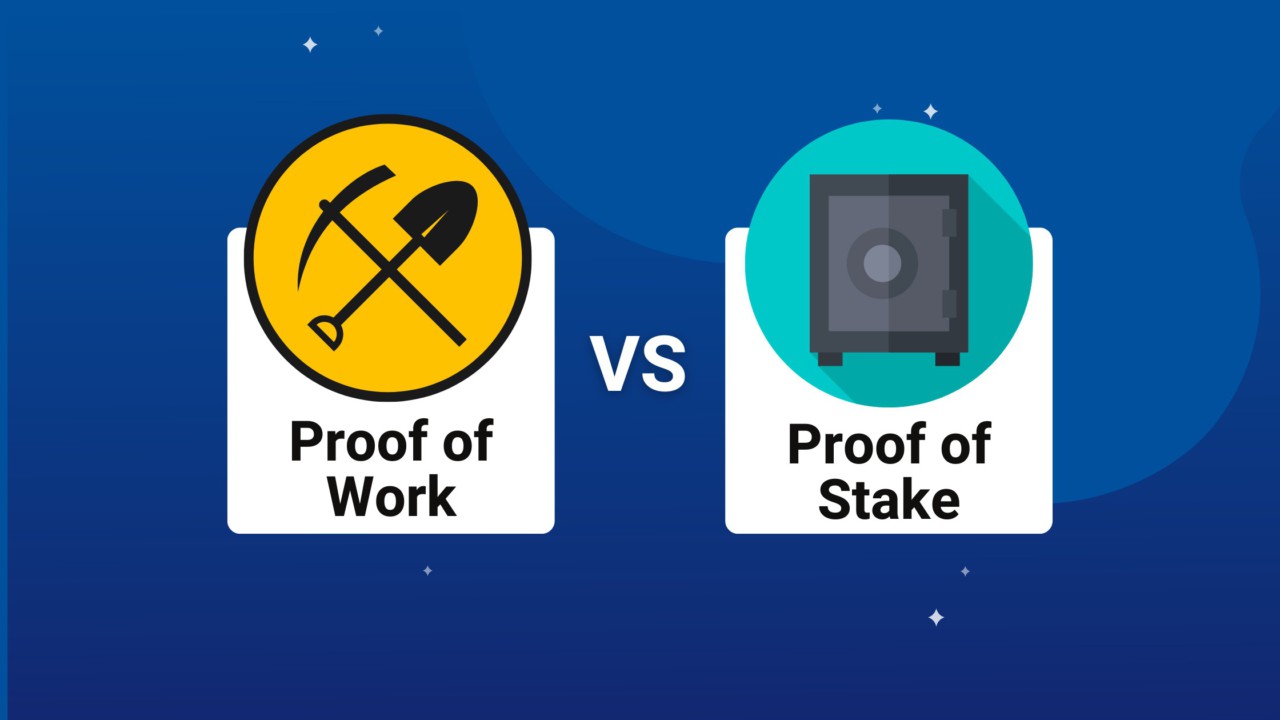
Jakarta, Pintu News – Every day, hundreds of new validators join blockchain networks, and many celebrate this as an increase in “decentralization”. Ethereum staking participation has increased to 30% of total supply, with approximately 36 million Ethereum (~$154 billion) staked, while Solana has grown to 3,248 validators in over 45 countries.
Passive Validation Issues
While the participation numbers look impressive, most validators only contribute to transaction processing and nothing more. This passive approach creates several interrelated systemic problems, which ultimately weaken the health of the blockchain ecosystem.
Minimal involvement of validators in network governance is common, even though this greatly affects the systems they secure. Essential services such as RPCs, developer tools, and educational resources are often underfunded because validators consider public goods to be “someone else’s responsibility”.
Meanwhile, protocol upgrades are experiencing implementation delays as passive validators lack the technical sophistication to evaluate complex proposals or contribute to network evolution.
Also Read: Jake Claver, CEO of Digital Ascension Group’s Shocking Prediction: XRP Will Break $25!
The Illusion of Decentralization
Ethereum’s one million validators may suggest strong decentralization, but Coinbase and Lido manage 27.7% of the staked ETH, while ETFs in the US continue to grow. Furthermore, as the Ethereum Merge approaches, only 15,000 validators out of more than 400,000 are actively participating in testnet validation.
This statistic proves that the network celebrates the growth of validators without differentiating between engaged ecosystem participants and those who are just looking to profit. The result is decentralization that appears on the surface but is actually controlled by a few powerful players.
Active Validation Framework
To address these systemic issues, there needs to be a fundamental rethinking of what validation means beyond just transaction processing. The most sophisticated validators don’t just secure the network, they become infrastructure architects, building tools and services that other participants rely on.
This approach creates a positive feedback loop where technical excellence attracts more diverse talent, which in turn enables more protocol development. Active validators distinguish themselves through several key contribution areas.
Conclusion
The protocol that will ultimately succeed is not the one with the most validators, but the one whose validators are truly invested in building something meaningful. The evolution from passive staking to active development shows that decentralized systems can outperform traditional alternatives when participants are properly directed and motivated.
Networks that successfully make this transition will attract the most talented builders and smart capital, becoming the foundation for the next generation of decentralized applications. Meanwhile, networks that stick to old models that reward passive participation will find their networks slowly falling behind as innovation moves towards more active alternatives.
Also Read: Maartunn Analyst Says December 2024 Crypto Market Pattern Repeats, What Does It Mean?
Follow us on Google News to get the latest information about the world of crypto and blockchain technology. Check today‘ s bitcoin price, today’s solana price, pepe coin and other crypto asset prices through Pintu Market.
Enjoy an easy and secure crypto trading experience by downloading Pintu crypto app via Google Play Store or App Store now. Also, get a web trading experience with various advanced trading tools such as pro charting, various types of order types, and portfolio tracker only at Pintu Pro.
*Disclaimer
This content aims to enrich readers’ information. Pintu collects this information from various relevant sources and is not influenced by outside parties. Note that an asset’s past performance does not determine its projected future performance. Crypto trading activities are subject to high risk and volatility, always do your own research and use cold hard cash before investing. All activities of buying andselling Bitcoin and other crypto asset investments are the responsibility of the reader.
Reference
- BeInCrypto. Why We Need to Reimagine Proof of Stake Validators in 2025. Accessed on September 18, 2025