Sanering and Redenomination: Two Different Paths in Monetary Policy
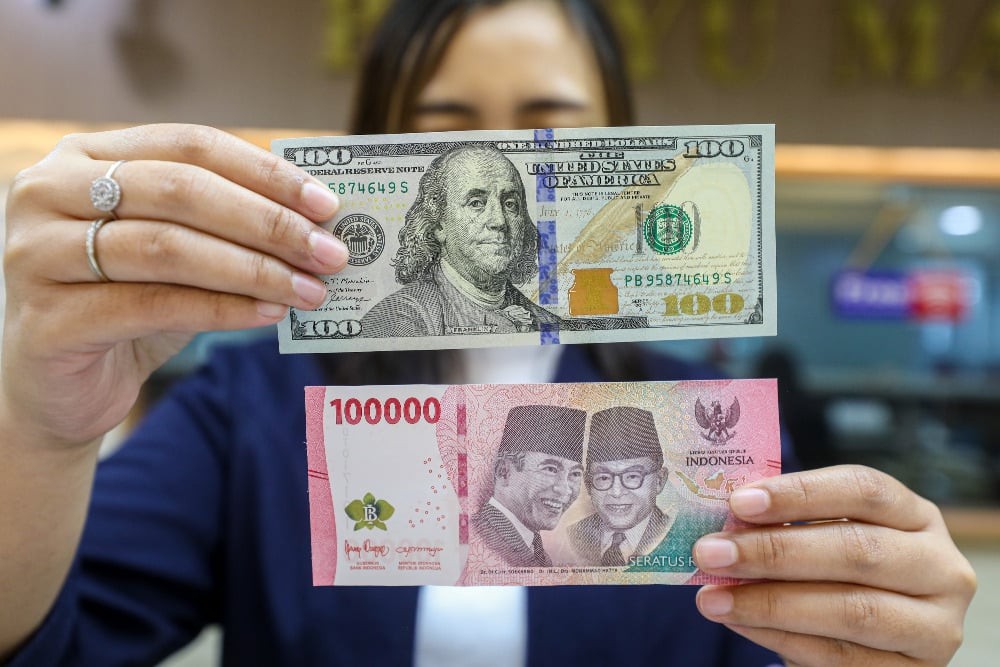
Jakarta, Pintu News – Sanering is a monetary policy conducted by the government or central bank by drastically reducing the nominal value of a currency. The aim is to control uncontrolled inflation, reduce the money supply, and stabilize economic conditions. Unlike redenomination, which only simplifies numbers without changing purchasing power, sanering reduces the purchasing power of money circulating in the community.
Sanering is often practiced when a country’s economy is experiencing a severe crisis, such as hyperinflation or extreme fiscal imbalances. This policy is usually accompanied by the replacement of old money with new money of lower value.
Pros of Sanering
- Controlling Inflation: Sanering is effective in rapidly reducing the money supply.
- Preventing Further Crisis: Can prevent hyperinflation from getting worse.
- Stabilize the Financial System: Reduce pressure on the national financial system.
Disadvantages of Sanering

- Sacrificing People’s Savings: The value of people’s savings and assets could plummet.
- Lowering Public Trust: Can trigger panic and loss of trust in the government.
- Social Impact: Increased poverty in the short term due to drastically reduced purchasing power.
Also Read: 7 Ways to Buy and Sell Tokenized Gold at the Door, Starting from Rp11,000 and Can be 24/7
Difference between Sanering and Devaluation
| Aspects | Sanering | Devaluation |
|---|---|---|
| Destination | Reduced money supply and purchasing power | Improving export competitiveness |
| Mechanism | Direct deduction of the value of money | Currency exchange rate adjustments against foreign currencies |
| Impact | Lower domestic purchasing power | Make imported goods more expensive, exports cheaper |
| Application | Domestic (money value cut) | External (exchange rate down against USD, etc.) |
When did Sanering happen in Indonesia?
Sanering occurred in Indonesia on August 25, 1959, under the administration of President Soekarno. At that time, the value of Rp500 and Rp1,000 denominations were reduced to Rp50 and Rp100, respectively. This was done to curb the post-independence and war hyperinflation. The effect was very pronounced: people’s purchasing power plummeted and trust in the rupiah currency dropped dramatically.
The Effect of Sanering on Crypto Assets
If sanitization is reintroduced in the future, cryptocurrencies like Bitcoin or Ethereum could be an alternative store of value. Some possible impacts:
- Increased Crypto Demand: People who have lost faith in national currencies will seek out safe haven assets.
- Crypto is a Capital Flight: Like in times of high inflation, crypto can be a capital flight as it is not bound by local monetary authorities.
- Regulations Could Tighten: The government may impose restrictions on the conversion of digital assets if it is deemed to worsen the crisis.
However, it is important to note that crypto is also volatile and not entirely risk-free. Investors need to carefully consider hedging strategies using digital assets.
Also Read: A Complete Guide to Saving Digital Gold in 2025 – Simple, Safe, Can Start from Rp11,000!
Follow us on Google News to get the latest information about crypto and blockchain technology. Check Bitcoin price today, Solana price today, Pepe coin and other crypto asset prices through Pintu Market.
Enjoy an easy and secure crypto trading experience by downloading Pintu crypto app via Google Play Store or App Store now. Also, get a web trading experience with various advanced trading tools such as pro charting, various types of order types, and portfolio tracker only at Pintu Pro.
*Disclaimer
This content aims to enrich readers’ information. Pintu collects this information from various relevant sources and is not influenced by outside parties. Note that an asset’s past performance does not determine its projected future performance. Crypto trading activities are subject to high risk and volatility, always do your own research and use cold hard cash before investing. All activities of buying andselling Bitcoin and other crypto asset investments are the responsibility of the reader.
FAQ – Sanering
1. What is sanering?
Sanering is a policy of drastically cutting the value of money by the government with the aim of reducing the money supply and controlling inflation. This policy is usually implemented when economic conditions are critical, such as hyperinflation.
2. What is the difference between sanering and redenomination?
Sanering reduces the purchasing power of money (its real value), while redenomination only simplifies the nominal value without changing the purchasing power. For example, redenomination turns Rp1,000 into Rp1, but goods can still be bought with the same value. Sanering, on the other hand, can make Rp1,000 worth only Rp100 in real terms.
3. When did sanering occur in Indonesia?
Sanering was carried out in 1959 when President Soekarno took office. At that time, the nominal value of denominations of Rp500 and Rp1,000 was cut to Rp50 and Rp100 respectively.
4. What is the impact of sanering on society?
Sanering can drastically reduce the value of people’s savings and assets, reduce purchasing power, and cause panic if not accompanied by strong communication and economic strategies.
5. Is sanering still possible in the modern era?
Although less likely, sanering can still occur if national economic conditions deteriorate to an extreme. However, the more commonly used policies today are devaluation, redenomination, or monetary tightening.
6. What effect does sanitization have on cryptocurrencies like Bitcoin?
Cryptocurrencies have the potential to be an alternative store of value when confidence in fiat currencies weakens due to sanitization. Cryptos could experience a surge in demand as they are perceived to be more secure and not controlled by the government.
7. Can crypto protect wealth during sanitization?
Cryptocurrencies such as Bitcoin can serve as a hedge under certain conditions, as they are not directly affected by the policy of money value cuts. However, volatility and regulation remain risk factors to be aware of.
8. What steps can the public take in the event of sanering?
Some steps that can be taken include: diversifying assets (including into real assets such as gold or crypto), maintaining liquidity, and actively monitoring the government’s economic policies.
Reference
- BFI Finance. Get to know Redenomination: Simplification of Currency Value. Accessed November 26, 2025