Crypto Recap 2025: 5 Crypto Narratives that Made the Market Shake
Jakarta, Pintu News – By the end of 2025, global crypto and cryptocurrency market movements will no longer be randomly driven. Instead, liquidity is concentrated in a number of large narratives that traders, institutional funds, and on-chain whales focus on.
While Bitcoin price is moving relatively sideways, capital rotation between sectors remains active. This article summarizes the five most dominant crypto narratives in December 2025 that shape market direction and influence the volatility of digital assets as reported by Crypto Adventure.
Bitcoin Macro and ETF Flows Still the Foundation of the Market
Bitcoin (BTC) remains a key anchor of the crypto market, especially as a macro hedge and the first entry point for institutional capital. Fund flows into Bitcoin ETF products continue to reinforce BTC’s role as an underlying asset in the cryptocurrency ecosystem. Amid global economic uncertainty, many institutions are treating Bitcoin as a primary risk layer before rotating into altcoins.
In addition to ETFs, the “crypto treasury” strategy is also an important factor. A number of companies and institutions are still adding BTC and Ethereum exposure as part of long-term balance sheet management. This combination has kept Bitcoin absorbing huge liquidity, although daily price movements have been limited.
Ethereum, Layer-2, and Restaking Become Infrastructure Engines
Ethereum (ETH) maintains its position as the most dominant smart contract foundation. Layer-2 and restaking narratives are transforming Ethereum into an infrastructure and yield center, not just an application platform. The Layer-2 ecosystem continues to attract liquidity as it offers lower fees and higher scalability.
Also read: 3 Potential Altcoins Most Wanted by Traders This Week
Restaking adds a new dimension by allowing ETH to be reused to secure various protocols. This model creates additional revenue streams and strengthens Ethereum’s appeal as a productive asset. As a result, liquidity continues to flow into ETH and its supporting projects even as competition between blockchains intensifies.
AI and DePIN: From Hype to Real Infrastructure
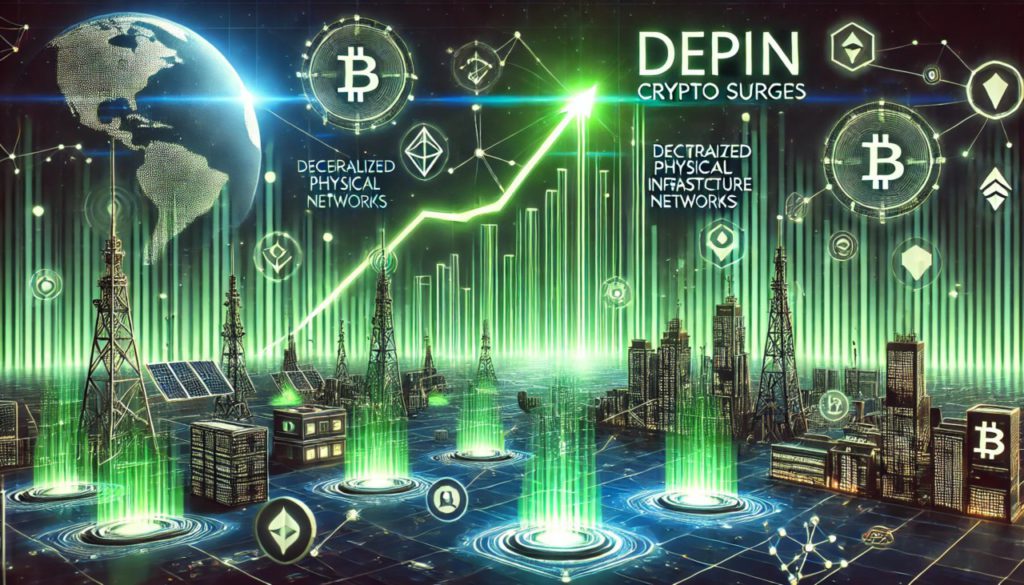
The narrative of artificial intelligence in crypto has evolved significantly throughout 2025. While many AI tokens were speculative in the past, the focus has shifted to infrastructure projects such as decentralized computing, data, and inference markets. Investors are starting to prioritize projects with real on-chain activity and clear revenue models.
Decentralized Physical Infrastructure Networks (DePIN) reinforce this trend. DePIN projects coordinate real-world hardware such as storage, bandwidth, and sensors with token incentives. The combination of AI and DePIN is seen as a bridge between blockchain technology and the needs of the real economy.
Real World Assets Become a Bridge to Traditional Finance
The tokenization of Real World Assets (RWA) is one of the most stable narratives in December 2025. Assets such as government bonds, credit, and financing instruments are now available on-chain. This narrative is attractive because it offers returns based on real cash flows, not just price speculation.
Also read: Bitcoin’s (BTC) monthly candle determines market direction, here’s EGRAG Crypto’s analysis
For institutions, RWAs are easier to align with familiar regulatory frameworks. As long as global interest rates remain above zero and regulatory clarity increases, RWAs are expected to remain the primary allocation destination for crypto funds seeking stable income.
Coin, Yield, and Meta Points Memes Keep Sucking Liquidity

On the speculative side, meme coins and social tokens are still absorbing capital as risk appetite increases. Assets like Pepe Coin are often a quick proxy for short-term market sentiment. Despite the high risk, the sector remains relevant in phases of volatility.
In addition, the meta yield, farming, and point systems of both exchanges and DeFi protocols continue to attract users. Incentives in the form of points, loyalty tiers, and potential airdrops create dynamic liquidity flows. This narrative explains why some sectors remain crowded even when the main market is flat.
Conclusion
December 2025 confirms that the crypto market is driven by narrative as much as technological and macroeconomic factors. Bitcoin, Ethereum, AI, DePIN, and RWA act as liquidity centers of gravity, while coin memes and meta yields trigger additional volatility. For market participants, understanding the dominant narrative is key to reading capital rotation and risk. Narratives should be used as an analytical lens, not a substitute for fundamentals.
FAQ
What is the crypto narrative in the market?
The crypto narrative is the main theme or story that captures investors’ attention and directs liquidity flow to a particular sector within the cryptocurrency market.
Why is Bitcoin (BTC) still the center of liquidity in 2025?
Bitcoin remains a key asset due to its role as a macro hedge and strong support from ETF flows and institutional investors.
What makes AI and DePIN attractive to crypto investors?
AI and DePIN offer a direct link to real-world infrastructure and revenue potential, not just price speculation.
Why are Real World Assets (RWA) increasingly in demand?
RWAs are attractive because they provide real asset-based returns and are more adaptable to traditional financial regulations.
Are meme coins still relevant at the end of 2025?
Meme coins remain relevant as high-risk sentiment indicators, despite their highly volatile and speculative nature.
That’s the latest information about crypto. Follow us on Google News to get the latest crypto news about crypto projects and blockchain technology. Also, learn crypto from scratch with complete discussion through Pintu Academy and stay up-to-date with the latest crypto market such as bitcoin price today, xrp coin price today, dogecoin and other crypto asset prices through Pintu Market.
Enjoy an easy and secure crypto trading experience by downloading Pintu crypto app via Google Play Store or App Store now. Also, get a web trading experience with various advanced trading tools such as pro charting, various types of order types, and portfolio tracker only at Pintu Pro.
*Disclaimer
This content aims to enrich readers’ information. Pintu collects this information from various relevant sources and is not influenced by outside parties. Note that an asset’s past performance does not determine its projected future performance. Crypto trading activities have high risk and volatility, always do your own research and use cold cash before investing. All activities of buying and selling bitcoin and other crypto asset investments are the responsibility of the reader.
Reference:
- Crypto Adventure. Crypto Narratives Dominating December 2025. Accessed December 15, 2025
- Featured Image: Generated by AI


