Download Pintu App

7 Impact of Privacy Coins Ban in Dubai 2026: Strong Regulation & Implications for Crypto Market
Jakarta, Pintu News – On January 12, 2026, the Dubai Financial Services Authority (DFSA) took a significant crypto regulatory step by banning privacy coins in the Dubai International Financial Center (DIFC) area. This decision includes a ban on trading, promotion, fund activity, and derivative instruments related to cryptocurrencies designed to hide transaction information.
This ban reflects the global trend of tightening anti-money laundering (AML) rules as well as the implementation of standards for identification of transactors and recipients, which has far-reaching implications in the cryptocurrency ecosystem.
1. What are Privacy Coins and Why are They Banned
Privacy coins are a type of cryptocurrency designed to hide transaction details such as the sender, recipient, and amount transacted. Well-known examples include Monero (XMR) and Zcash (ZEC). The DFSA regulation considers that these privacy features make compliance with international standards such as the Financial Action Task Force(FATF) very difficult. The ban aims to increase the transparency of financial transactions in supervised systems.
The ban also covers services that attempt to disguise crypto traces, such as mixers or tumblers that combine multiple transactions to hide the origin and destination of digital assets. The regulation ensures that these two types of services are no longer allowed in a centralized environment like DIFC.
Also Read: 6 Robert Kiyosaki Prediction Facts: Silver to US$100 and New All-Time High in 2026?
2. Categories of Crypto Assets Affected
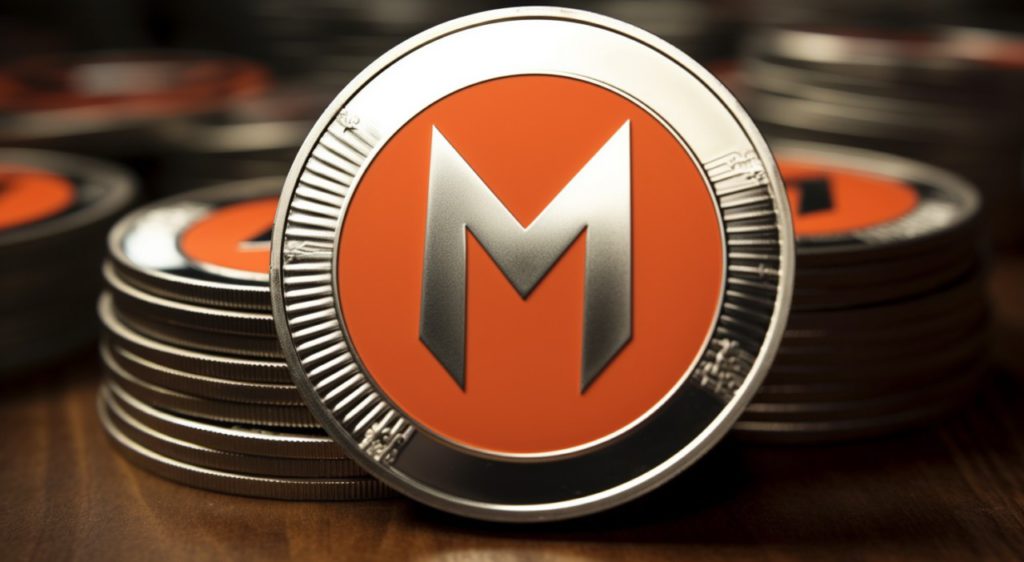
Privacy coins assets such as Monero and Zcash are clearly affected by this new rule. The DFSA regulations prohibit all authorized activities involving privacy-focused tokens on exchanges or financial products operating in the DIFC. These changes include:
- trading and listing privacy coins;
- promotions and fund offers using privacy coins;
- derivatives related to privacy assets.
In addition, this rule also affects non-fiat stablecoins; only stablecoins backed by high-quality liquid reserves will qualify under the DFSA definition.
3. Key Reasons for Dubai Regulators
Regulators emphasize that privacy coins are difficult to monitor because they can conceal the activity of the transactors, which could potentially be used in money laundering practices and evasion of international sanctions. Global organizations such as FATF require financial institutions to be able to identify the sender and receiver of transactions, which is an aspect that privacy coins inherently struggle to meet.
As such, the DFSA considers this ban an important step to uphold transparency standards in line with global expectations and to protect the financial system from criminal risks.
4. Crypto Market Response to Ban
While this regulation directly restricts the authorized activities of privacy coins in the DIFC region, several privacy tokens have recorded price increases in the global market. Monero reached a record high price on the same day the regulation came into effect, while Zcash also experienced speculative flows that strengthened its value in free market sessions.
This price response reflects crypto market dynamics where bans or restrictions sometimes increase speculative interest in restricted assets, especially when global markets still have strong demand for privacy features.
5. Global Implications and Regulatory Trends
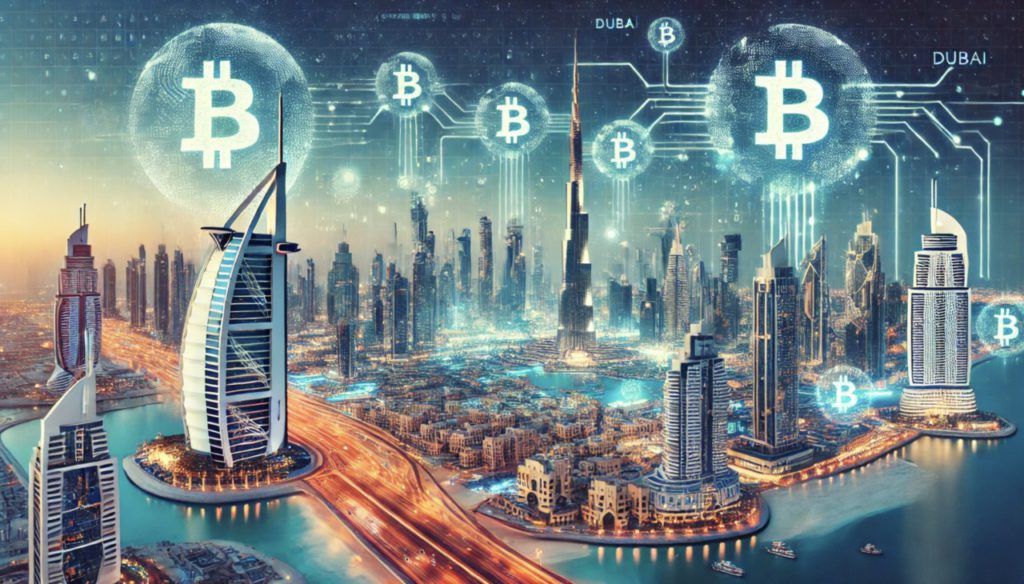
The Dubai regulator’s move reflects a similar trend in a number of other jurisdictions. Several countries and economic blocs have implemented restrictions on privacy coins or anonymous services, prioritizing compliance with AML standards. For example, the European Union through its Markets in Crypto-Assets (MiCA) restricts anonymous activity in crypto markets, and conditions in Hong Kong force privacy coins to be virtually absent from regulated exchanges.
As such, Dubai’s rules sit within a broader global context – where regulators tend to prioritize transparency and financial system security over absolute transactional privacy in digital assets.
6. Impact on Investors and Liquidity
This ban could potentially reduce access to privacy coins for investors residing or operating within DFSA-regulated markets. Liquidity for these assets may decrease in regulated environments, forcing investors to seek out less regulated trading venues or use private wallets without intermediaries.
However, it is important to note that the ban in the DIFC is not a global ban; privacy coins can still be traded in other exchanges and regions that do not have similar rules. The main impact is more pronounced on regulated exchanges that prioritize compliance and transparency.
7. A Long-Term View on Crypto
These regulations underscore that cryptocurrencies will continue to undergo policy adaptations as the integration of digital assets in the global financial system increases. On the one hand, strict rules provide legal certainty for institutional investors and minimize the risk of money laundering. On the other hand, the ban on privacy features triggers discussions on the balance between user privacy and regulatory needs.
For the crypto community, it’s also a reminder that technological innovation must go hand in hand with governance that is acceptable to regulators, especially in global financial centers like Dubai.
Also Read: Monero Hits Record High, Investors Leave Zcash!
Follow us on Google News to get the latest information about crypto and blockchain technology. Check Bitcoin price today, Solana price today, Pepe coin and other crypto asset prices through Pintu Market.
Enjoy an easy and secure crypto trading experience by downloading Pintu crypto app through Google Play Store or App Store now. Also, get a web trading experience with various advanced trading tools such as pro charting, various types of order types, and portfolio tracker only at Pintu Pro.
*Disclaimer
This content aims to enrich readers’ information. Pintu collects this information from various relevant sources and is not influenced by outside parties. Note that an asset’s past performance does not determine its projected future performance. Crypto trading activities are subject to high risk and volatility, always do your own research and use cold hard cash before investing. All activities of buying andselling Bitcoin and other crypto asset investments are the responsibility of the reader.
Reference
- Jamie Redman/Bitcoin.com News. From Surge to Shutdown: Dubai Blocks Privacy Coins in 2026. Accessed January 18, 2026.
Berita Terbaru
© 2026 PT Pintu Kemana Saja. All Rights Reserved.
Kegiatan perdagangan aset crypto dilakukan oleh PT Pintu Kemana Saja, suatu perusahaan Pedagang Aset Keuangan Digital yang berizin dan diawasi oleh Otoritas Jasa Keuangan serta merupakan anggota PT Central Finansial X (CFX) dan PT Kliring Komoditi Indonesia (KKI). Kegiatan perdagangan aset crypto adalah kegiatan berisiko tinggi. PT Pintu Kemana Saja tidak memberikan rekomendasi apa pun mengenai investasi dan/atau produk aset crypto. Pengguna wajib mempelajari secara hati-hati setiap hal yang berkaitan dengan perdagangan aset crypto (termasuk risiko terkait) dan penggunaan aplikasi. Semua keputusan perdagangan aset crypto dan/atau kontrak berjangka atas aset crypto merupakan keputusan mandiri pengguna.