
Download Pintu App

5 reasons the US dollar is a safe haven during the Iran conflict

Jakarta, Pintu News – As the Iran conflict heated up and shook global markets, many people thought gold would automatically rise as a safe haven. But the opposite happened: gold fell about 4% and stayed in the area of $5,124 per ounce or about Rp86,620,468 (exchange rate 1 USD = Rp16,907). This “unusual” movement confirms that safe haven choices can change quickly when markets assess risk, liquidity and interest rates simultaneously.
1. US Dollar Strengthens, Gold Prices are Mechanically Depressed
A strengthening US dollar often pressures gold because gold is traded in dollar denominations. When the dollar strengthens, non-dollar buyers need fewer dollars for transactions, so gold’s upward impulse is reduced. This effect can occur even when geopolitical uncertainty increases, as the exchange rate mechanism works faster than the safe haven narrative changes.
Moreover, a shift in market preference towards the dollar is usually accompanied by fund flows into dollar-based instruments. In tense conditions, investors often favor assets that are easy to liquidate on a large scale. As a result, gold may temporarily lose its appeal, despite being historically recognized as a hedge.
2. “Safety” Shifts to Liquidity and Access, Not Just Physical Assets
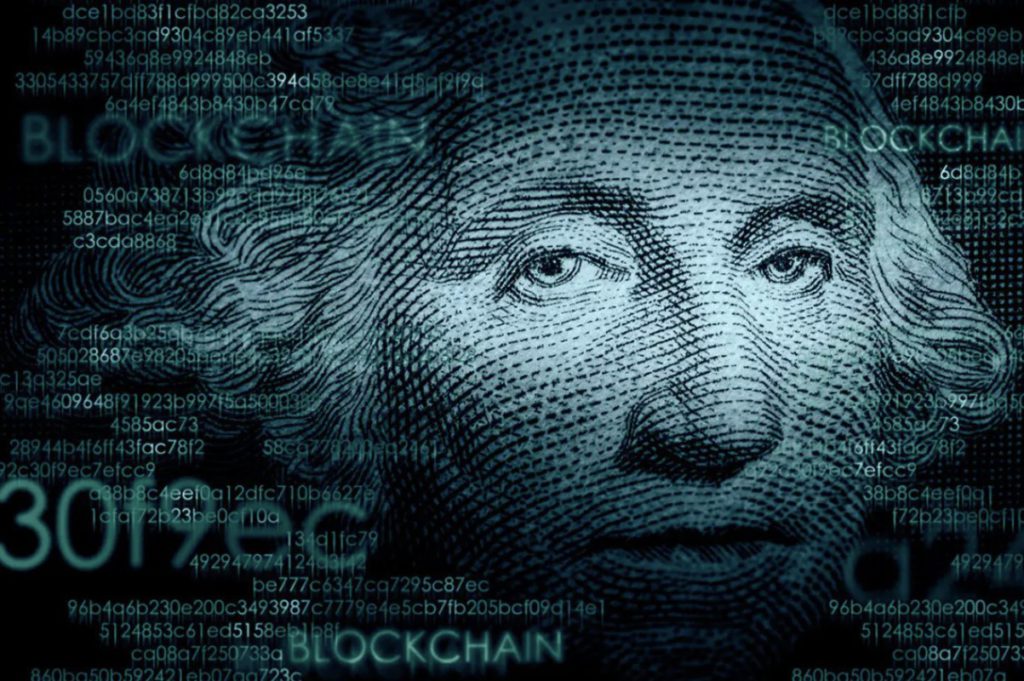
In the shock phase, large investors tend to look for the most liquid and easiest to use parking lot of funds to meet obligations. The US dollar fulfills both requirements: it is liquid, widely accepted, and the main currency of global trade and financing. In practice, this need for liquidity can drive dollar demand faster than gold demand.
A similar situation can be seen in market behavior when volatility increases. Investors often choose instruments that are quick to move between portfolios and easy to collateralize. Therefore, the “safe haven” in the eyes of the market may shift from gold to the dollar, at least until uncertainty subsides.
3. Iran Conflict Escalation Raises Inflation Risk Through Energy Spikes
Geopolitical tensions in the Middle East increase the risk of energy supply disruptions, and markets usually immediately price-in such scenarios. When energy spikes, inflation expectations rise as transportation, logistics and production costs potentially increase. At this point, investors reassess the assets that stand to benefit the most if inflation forces monetary policy to become tighter.
Some of the key figures that market participants often look at in this phase are the following changes in energy prices:
- Oil moves from $64 to $74 per barrel, equivalent from Rp1,082,048 to Rp1,251,118 per barrel
- Increase of approximately $10 per barrel equivalent to IDR 169,070 per barrel
- This spike increases short-term inflation risk and cross-asset volatility
4. Higher US Interest Rate Expectations Make Dollar More Attractive
If the market thinks inflation will be more difficult to fall, then the chances of interest rates staying high or rising again become greater. Higher interest rates make interest-bearing assets look more attractive than non-yielding gold. As a result, demand for the dollar strengthens as investors chase higher nominal returns and the relative safety of dollar-based instruments.
At the same time, rising interest rate expectations pressure gold in two ways. First, the opportunity cost of holding gold increases as you give up potential interest. Second, a stronger dollar makes gold more expensive for non-US buyers, so global demand may weaken.
5. Domino Effect to Stocks, Bonds, Commodities, to Crypto
When the dollar strengthens and volatility rises, markets often experience a “risk-off” that hits many assets at once. Stocks and industrial commodities can weaken on fears of an economic slowdown as well as higher energy costs. On the other hand, bonds can also be volatile as markets adjust inflation projections and the path of interest rates.
This dynamic often extends to crypto and cryptocurrencies, especially large-cap assets like Bitcoin (BTC), Ethereum (ETH), and Ripple (XRP). In a risk-off phase, you can expect to see volatility rise as some investors reduce their exposure to risky assets or increase their cash holdings. That being said, a weaker move in gold doesn’t necessarily mean “risk-on”, but rather could be part of a larger adjustment across asset classes.
Conclusion: Safe Haven is Contextual, Dollar Can Beat Gold
Gold’s decline during the Iran conflict shows that safe haven is not always synonymous with gold in every crisis episode. When inflation risks rise and markets expect tighter US interest rates, the dollar often gains double support: liquidity and yield. In such a context, gold can be restrained or even fall even as geopolitical tensions rise.
For you, the main lesson is to read a combination of factors, not one single narrative. Keep an eye on the direction of the dollar, energy prices and Fed policy expectations as they often determine whether the market favors gold or the dollar. By understanding the mechanics, you can assess portfolio risk with more discipline, including when considering exposure to crypto and cryptocurrencies.
Also Read: 5 Advantages of Pegadaian Gold Deposit
Follow us on target="_blank" rel="noreferrer noopener" href="https://news.google.com/u/2/publications/CAAqBwgKMKXoywsw1YPjAw?hl=id&gl=ID&ceid=ID%3Aid">Google News to stay up to date with the latest in crypto and blockchain technology. Check Bitcoin price, usdt to idr and tokenized nvidia stock price through Pintu Market.
Enjoy an easy and secure crypto trading and crypto gold investment experience by downloading the Pintu crypto app via Play Store or App Store now. Also, experience web trading with advanced trading tools such as pro charting, various order types, and portfolio tracker only at Pintu Pro.
Gold-Based Crypto: When Physical Assets Meet Crypto Technology
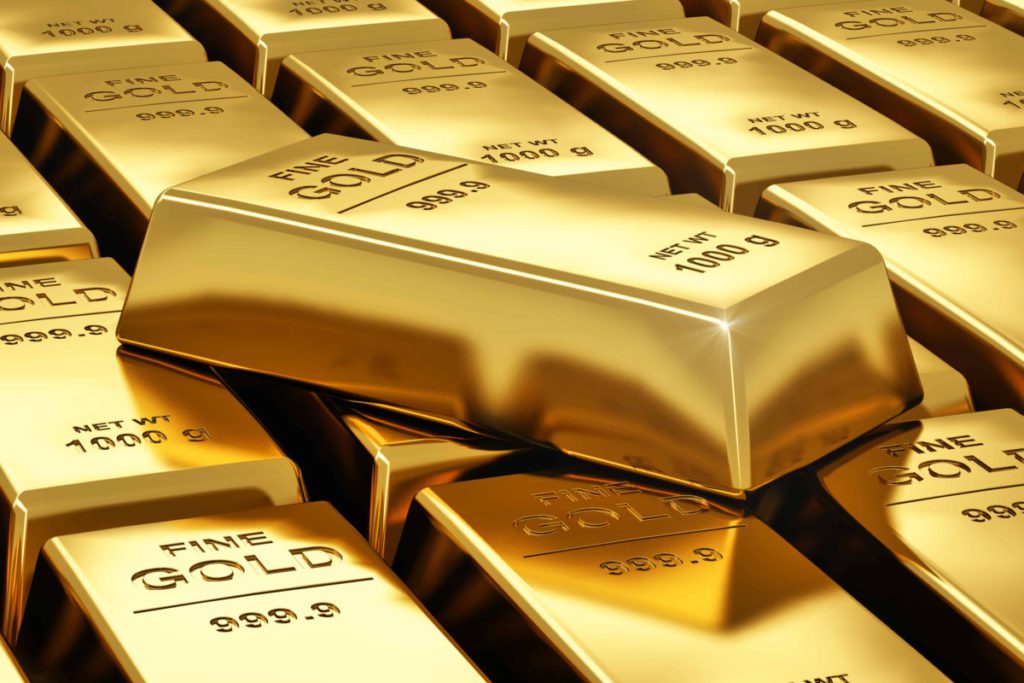
As blockchain technology develops, gold can now be owned not only in physical form such as jewelry or bars, but also in digital form through gold-based crypto assets.
One of the most popular is Pax Gold (PAXG), a stablecoin backed by one troy ounce (t oz) of 400 oz London Good Delivery gold bullion, stored in Brink’s vaults.
PAXG tokens are available and traded on various crypto exchanges. PAXG is also an attractive alternative for those looking to hedge against inflation or global economic uncertainty, while remaining within the digital asset ecosystem.
*Disclaimer
This content aims to enrich readers’ information. Pintu collects this information from various relevant sources and is not influenced by outside parties. Note that an asset’s past performance does not determine its projected future performance. Trading crypto carries high risk and volatility, always do your own research and use cold hard cash beforeinvesting. All activities of buying and selling Bitcoin (BTC) and other crypto asset investments are the responsibility of the reader.
Reference
- Global News. Why is gold surging? Iran, investing and what it means for Canadians. Accessed March 4, 2026.
Berita Terbaru
© 2026 PT Pintu Kemana Saja. All Rights Reserved.
Kegiatan perdagangan aset crypto dilakukan oleh PT Pintu Kemana Saja, suatu perusahaan Pedagang Aset Keuangan Digital yang berizin dan diawasi oleh Otoritas Jasa Keuangan serta merupakan anggota PT Central Finansial X (CFX) dan PT Kliring Komoditi Indonesia (KKI). Kegiatan perdagangan aset crypto adalah kegiatan berisiko tinggi. PT Pintu Kemana Saja tidak memberikan rekomendasi apa pun mengenai investasi dan/atau produk aset crypto. Pengguna wajib mempelajari secara hati-hati setiap hal yang berkaitan dengan perdagangan aset crypto (termasuk risiko terkait) dan penggunaan aplikasi. Semua keputusan perdagangan aset crypto dan/atau kontrak berjangka atas aset crypto merupakan keputusan mandiri pengguna.