Download Pintu App

5 Key Factors Affecting the Price of Oil Per Barrel: What You Should Know
Jakarta, Pintu News – The price of oil per barrel is one of the most important economic indicators, as it not only affects energy costs, but can also drive inflation, goods prices, as well as monetary policy decisions. Amid fluctuating oil prices influenced by various global factors, three major physical constraints have determined oil prices in the medium to long term. This article will discuss five key factors that influence oil prices and their impact on the global energy market.
1. Limited OPEC+ Production Capacity
One of the main factors affecting oil prices is the production policies by major oil-producing countries, mainly members of the Organization of the Petroleum Exporting Countries (OPEC) and its allies, known as OPEC+. OPEC+’s decision to reduce or increase production has a direct impact on oil prices. If their production is curtailed or cut, oil prices usually tend to rise due to limited supply. Vice versa, if production is increased, oil prices may fall.
However, OPEC+ production capacity is limited, and this is one of the major influences on oil prices. Major oil producing countries are already operating at almost their full capacity, so supply cannot be readily adjusted to demand spikes or supply disruptions without intervention from these countries. OPEC+ production policy plays a key role in keeping the world oil market in balance, especially when there are geopolitical tensions or changes in the global economy.
2. Declining Production of Long-Operating Oil Fields
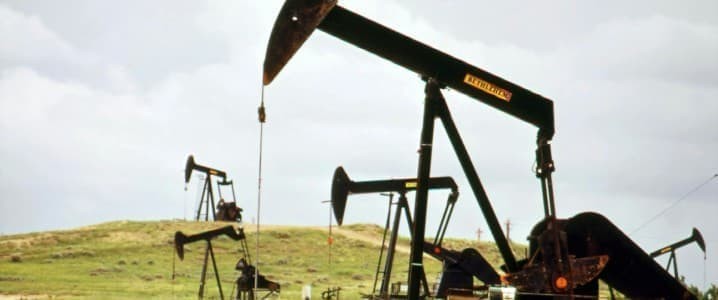
Another physical limitation is the natural decline of production in long-operating oil fields. Many of the world’s large oil fields are experiencing higher and higher natural decline rates. In other words, to maintain production levels, companies must drill more wells or invest more in more efficient recovery technologies.
However, the ability to replace depleted oil reserves is very limited, and the investment required to keep production levels high can be very expensive. This leads to increased costs and reduced long-term oil supply, potentially pushing up oil prices. When supply is limited and demand continues to increase, the price per barrel of oil tends to rise.
3. Oil Delivery Infrastructure Limitations
Apart from production, logistics and infrastructure factors also play an important role in determining oil prices. Inadequate infrastructure or damaged distribution lines can impede the flow of oil from production sites to the global market. Pipeline systems, ports, and storage facilities have limitations that affect the speed and volume of shipments. If there are bottlenecks in shipping infrastructure – such as pipeline closures, shipping disruptions, or attacks on distribution facilities – then oil prices will respond with an increase.
An obvious example is the tension in the Strait of Hormuz, which is one of the world’s largest oil shipping lanes. If there is any disruption to this route, the global oil supply could be hampered, and the price per barrel of oil would skyrocket. Likewise, if there are problems in oil storage or distribution infrastructure, it will directly impact energy prices and the price of goods in the global market.
4. Geopolitical Tensions and Energy Supply Conflicts

Geopolitical conflicts and international tensions, especially those involving major oil-producing countries such as Saudi Arabia, Russia, or Iran, often affect oil prices. When oil supplies are threatened due to conflicts in oil-producing countries, such as those in the Middle East, oil prices can spike sharply. Political tensions that cause these supply disruptions will increase the risk premium for oil investors and traders.
For example, attacks on oil facilities or production restrictions triggered by political tensions in oil-producing countries can directly affect global oil prices. Investors and markets will respond by buying more oil before supply is constrained, which increases prices.
5. Global Demand and Economic Growth
Oil prices are also heavily influenced by global demand, which is directly linked to economic growth. When the global economy grows, demand for energy, including oil, increases. This causes oil prices to rise due to higher fuel consumption. Conversely, if the world economy slows down or enters a recession, there will be less demand for oil, which can lower prices.
In addition, the trend of shifting energy from fossil oil to renewable energy may affect the long-term demand for oil. As more investment is made in green energy, the demand for oil could decrease, ultimately affecting future oil prices.
Conclusion
The price of oil per barrel is heavily influenced by physical factors such as production capacity, geopolitical conditions, infrastructure, and global demand. As an investor, understanding these factors is important for predicting the direction of oil price movements and making wise investment decisions. Fluctuations in oil prices can affect energy markets, inflation, and even cryptocurrency markets that often interact with these global economic factors.
Also Read: Japan’s oil reserves reach 254 days: How Can It Have Such Large Energy Stocks?
Follow us on Google News to stay up to date with the latest in crypto and blockchain technology. Check Bitcoin price, usdt to idr and tokenized nvidia stock price through Pintu Market.
Enjoy an easy and secure crypto trading and crypto gold investment experience by downloading the Pintu crypto app via Play Store or App Store now. Also, experience web trading with advanced trading tools such as pro charting, various order types, and portfolio tracker only at Pintu Pro.
Monitor World Oil Price Through Crypto Tokens
Imagine being able to monitor and potentially gain exposure to global oil price movements directly through crypto assets. One way is through Chevron (CVXON) and other US stocks that you can access on the Pintu platform, allowing investors to follow the dynamics of the global energy market from the cryptocurrency ecosystem.
By utilizing blockchain technology, you can view price movements, make transactions easily, and explore portfolio diversification opportunities between global commodities and crypto assets in one app.
*Disclaimer
This content aims to enrich readers’ information. Pintu collects this information from various relevant sources and is not influenced by outside parties. Note that an asset’s past performance does not determine its projected future performance. Crypto trading activities are subject to high risk and volatility, always do your own research and use cold hard cash before investing. All activities of buying andselling Bitcoin and other crypto asset investments are the responsibility of the reader.
Reference:
– OilPrice.com. Three Physical Constraints That Will Govern The Price of Oil. Accessed March 18, 2026.
Berita Terbaru
© 2026 PT Pintu Kemana Saja. All Rights Reserved.
Kegiatan perdagangan aset crypto dilakukan oleh PT Pintu Kemana Saja, suatu perusahaan Pedagang Aset Keuangan Digital yang berizin dan diawasi oleh Otoritas Jasa Keuangan serta merupakan anggota PT Central Finansial X (CFX) dan PT Kliring Komoditi Indonesia (KKI). Kegiatan perdagangan aset crypto adalah kegiatan berisiko tinggi. PT Pintu Kemana Saja tidak memberikan rekomendasi apa pun mengenai investasi dan/atau produk aset crypto. Pengguna wajib mempelajari secara hati-hati setiap hal yang berkaitan dengan perdagangan aset crypto (termasuk risiko terkait) dan penggunaan aplikasi. Semua keputusan perdagangan aset crypto dan/atau kontrak berjangka atas aset crypto merupakan keputusan mandiri pengguna.