
Download Pintu App

6 “Red Flag” Coin Memes to Avoid Before Getting Rugpulled
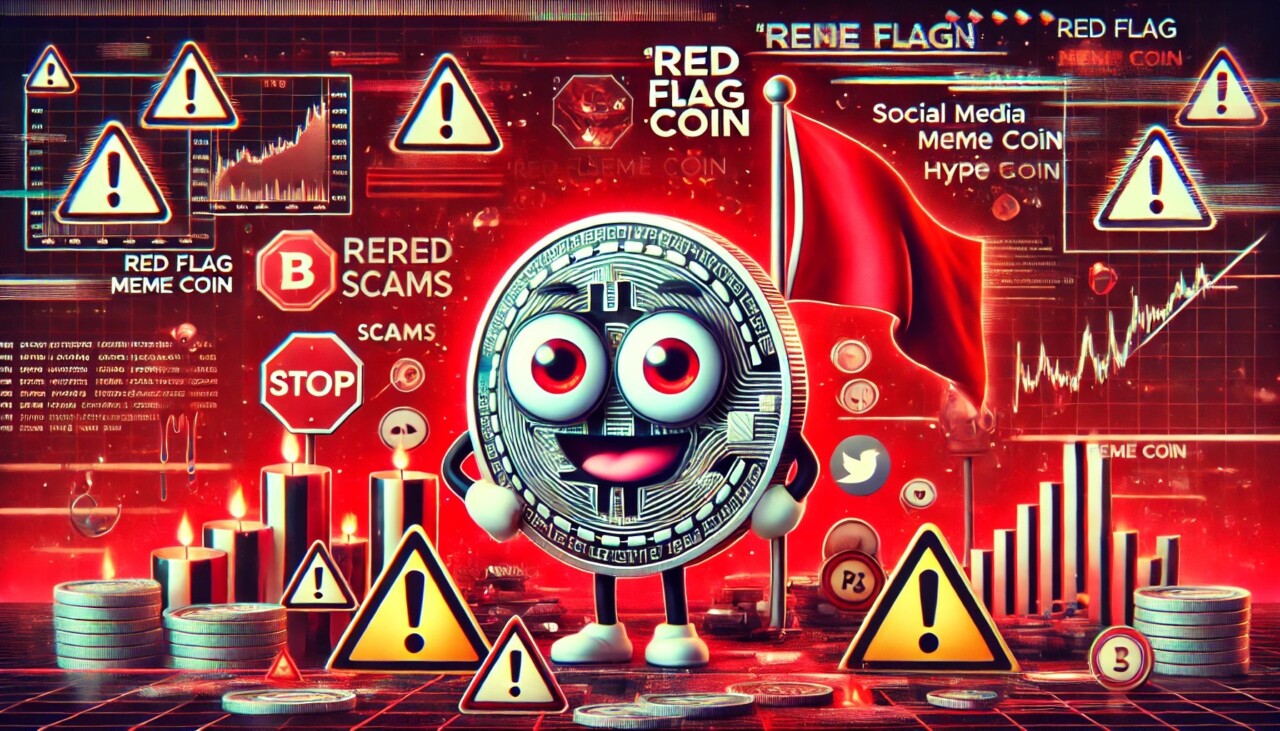
Jakarta, Pintu News – The cryptocurrency world is becoming increasingly crowded with thousands of new memecoins emerging every month. From funny names like Pepe Coin (PEPE) to viral projects on the Solana network (SOL), these assets promise huge returns in a short period of time. However, behind the hype and buzzing communities on social media, many projects turn out to be well-planned scams.
In 2024, investors lost millions of dollars to rug pulls, fraudulent trading bots, and false claims of partnerships with celebrities. Therefore, it is important to understand the increasingly sophisticated forms of fraud to avoid becoming a victim in 2025.
Coordinated Shilling (Crypto Cabal)
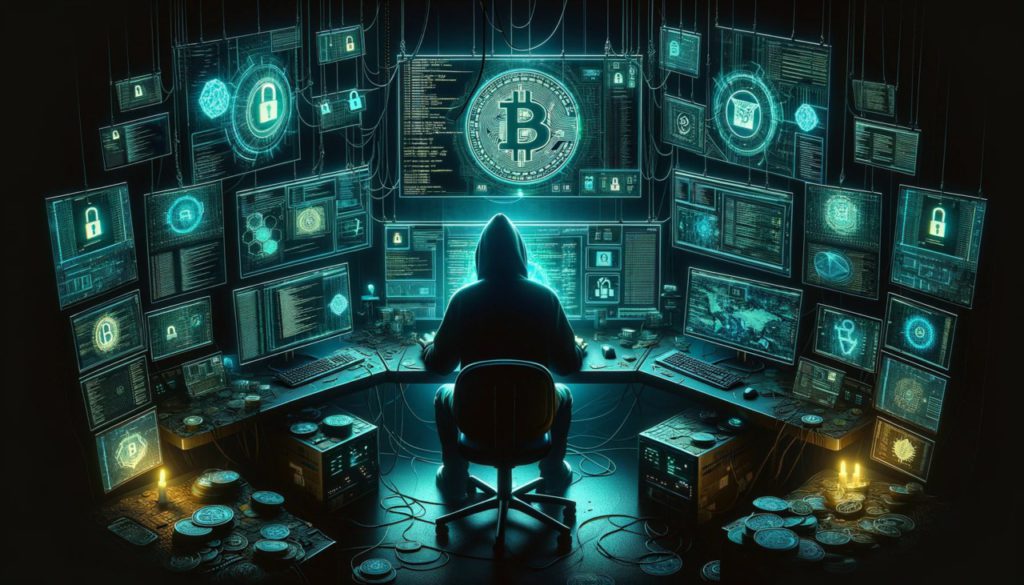
One of the most common modus operandi in the crypto market is coordinated shilling, which is a massive promotional campaign driven by a group ofwhales or automated bots. The goal is to create the illusion of high demand so that the token price rises, and then they sell a large amount before the price falls.
For example, the CATDOG project in 2024 went viral on platform X (Twitter) as many large accounts claimed the token was going “to the moon.” However, shortly after the price spiked, early holders went on a massive sell-off, leaving retail investors at a loss. Beware of accounts that keep repeating promotional messages, use excessive emojis, or urge to buy “before it’s too late.”
MEV Bot Attack (Frontrunning)
Maximal Extractable Value (MEV) is a transaction manipulation technique on the blockchain. In the case of memecoin, MEV bots are used to infiltrate and buy tokens ahead of ordinary investors by utilizing transaction queues(mempool). As a result, the price rises sharply before the actual buyer has a chance to transact.
For example, if you send a buy order at IDR166 per token ($0.01), the MEV bot could buy first and then resell at IDR32 ($0.02), sending the price soaring immediately. Signs include sudden price spikes and suspicious transactions on the blockchain explorer. Use safe slippage settings and avoid new tokens without clear liquidity.
Read also: 5 Professions in the Crypto World with High Salaries
Fake Partnerships and Endorsements
Many fintech projects pretend to have the backing of celebrities, major exchanges, or well-known brands to deceive investors. The goal is to build false trust and attract a large number of buyers during the presale phase.
Some projects even claim to be backed by platforms like Binance or Crypto.com, when there is absolutely no official proof. Before trusting, make sure you check the official channels of the companies mentioned, such as websites, X accounts, or announcements in trusted media. The shinier the site and whitepaper without concrete details, the more likely it is a trap.
Social Profile Hack
Another frequent case is that the official account of a crypto project is hacked, and then fraudsters announce the fake contract address on social media. Investors who rush to buy without verification end up with worthless fake tokens.
Typically, these cases arise when a large project is about to launch a new token. Within minutes, thousands of users buy, and soon the price plummets because the token is not the real thing. To avoid this, re-verify the contract through other official channels such as the project website, Discord, or Telegram. Never buy tokens as soon as the first announcement appears without additional confirmation.
Also read: 6 Cryptos that Dominated Social Media This Weekend (According to Santiment Data)
Monetizing Celebrities and Influencers
The trend of celebrities launching their own memecoins is becoming more prevalent in 2025 – and it often ends badly. Many influencers capitalize on their popularity to launch tokens, attract large funds, and then abandon them.
A recent example is HAWK Coin, created by influencer “Hawk Tuah Girl,” which reached a valuation of hundreds of millions of dollars (around Rp1.6 trillion) in just minutes before plummeting by more than 90%. While her team denied any manipulation, on-chain data showed uneven token distribution – a classic indication of a pump and dump project.
Rug Pull – The Classic Scam of the Crypto World
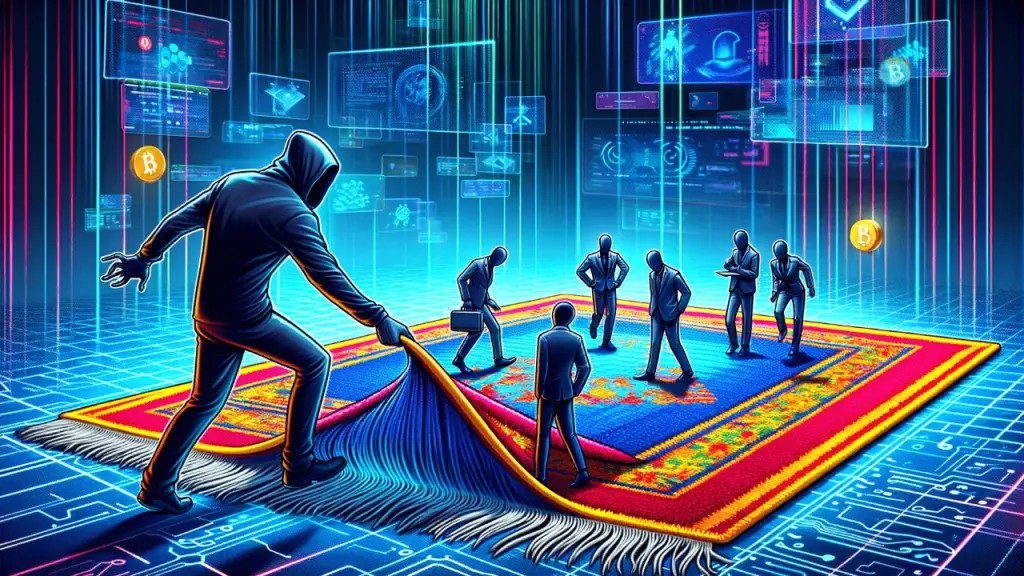
Rug pulls are the most dangerous form of fraud in the crypto world. A developer launches a token, creates huge hype on social media, and then pulls all liquidity from the decentralized exchange (DEX), rendering the token worthless.
In 2024, many memecoins on the Solana network (SOL) suffered a rug pull with losses reaching millions of US dollars. The main characteristics: projects have no security audits, anonymous teams, and unclear tokenomics. Before buying, check if the contract has suspicious features such as “mint unlimited tokens” or “lock trading” that allows developers to unilaterally control the market.
Why is Meme Coin Fraud Easy to Occur?
The memecoin scam grew due to a combination of viral internet culture, the ease of creating new tokens, and investors’ desire for quick profits. Many investors were seduced by FOMO(fear of missing out) without proper research.
With low costs and quick distribution through social media, memecoin projects can seem legitimate in no time. But underneath, there’s often no real product or professional team. Large communities also often suppress criticism so as not to hamper the “spirit of the project,” which is a red flag.
That’s the latest information about crypto. Follow us on Google News to get the latest crypto news about crypto projects and blockchain technology. Also, learn crypto from scratch with complete discussion through Pintu Academy and stay up-to-date with the latest crypto market such as bitcoin price today, xrp coin price today, dogecoin and other crypto asset prices through Pintu Market.
Enjoy an easy and secure crypto trading experience by downloading Pintu crypto app via Google Play Store or App Store now. Also, get a web trading experience with various advanced trading tools such as pro charting, various types of order types, and portfolio tracker only at Pintu Pro.
*Disclaimer
This content aims to enrich readers’ information. Pintu collects this information from various relevant sources and is not influenced by outside parties. Note that an asset’s past performance does not determine its projected future performance. Crypto trading activities have high risk and volatility, always do your own research and use cold cash before investing. All activities of buying and selling bitcoin and other crypto asset investments are the responsibility of the reader.
Reference
- Webopedia. 6 Memecoin Scams to Avoid in 2025. Accessed October 26, 2025.
- Featured Image:
Berita Terbaru
© 2026 PT Pintu Kemana Saja. All Rights Reserved.
Kegiatan perdagangan aset crypto dilakukan oleh PT Pintu Kemana Saja, suatu perusahaan Pedagang Aset Keuangan Digital yang berizin dan diawasi oleh Otoritas Jasa Keuangan serta merupakan anggota PT Central Finansial X (CFX) dan PT Kliring Komoditi Indonesia (KKI). Kegiatan perdagangan aset crypto adalah kegiatan berisiko tinggi. PT Pintu Kemana Saja tidak memberikan rekomendasi apa pun mengenai investasi dan/atau produk aset crypto. Pengguna wajib mempelajari secara hati-hati setiap hal yang berkaitan dengan perdagangan aset crypto (termasuk risiko terkait) dan penggunaan aplikasi. Semua keputusan perdagangan aset crypto dan/atau kontrak berjangka atas aset crypto merupakan keputusan mandiri pengguna.