
Download Pintu App

7 Facts on Crypto Tax Pressure on US Congress, Digital Asset Tax Rules Under Global Scrutiny

Jakarta, Pintu News – Pressure to update tax rules on cryptocurrencies is reaching a fever pitch in the United States (US) Congress, where legislators from both parties face an urgent need to revise federal policies that are considered outdated and confusing for taxpayers as well as digital asset market participants.
The issue is front and center among policymakers and the industry as unclear tax rules could hinder investment, innovation, and tax compliance in the crypto sector. National media reported that legislators such as the Chairman of the Senate Finance Committee highlighted the urgency of this reform in the face of rapidly growing digital asset trading.
1. US Crypto Tax Regulations Considered Inadequate
Legislators in the US Congress have received a strong push from industry players, tax lawyers and crypto companies to update cryptocurrency tax rules, which are currently deemed to provide no clarity on how capital gains and crypto transactions should be reported to the Internal Revenue Service (IRS). This regulatory vacuum has led to a situation where traders and investors feel uncertain about their tax obligations.
Senator Mike Crapo, Chairman of the Senate Finance Committee, underscored that in the absence of legislative action, uncertainty regarding capital gains taxation and reporting could drive capital and innovation out of the US, harming the country’s position as a digital finance hub.
Also Read: Bitcoin, Ether, and XRP Decline Increases Toward the End of 2026, Why?
2. Reporting Issues and Old Tax Forms
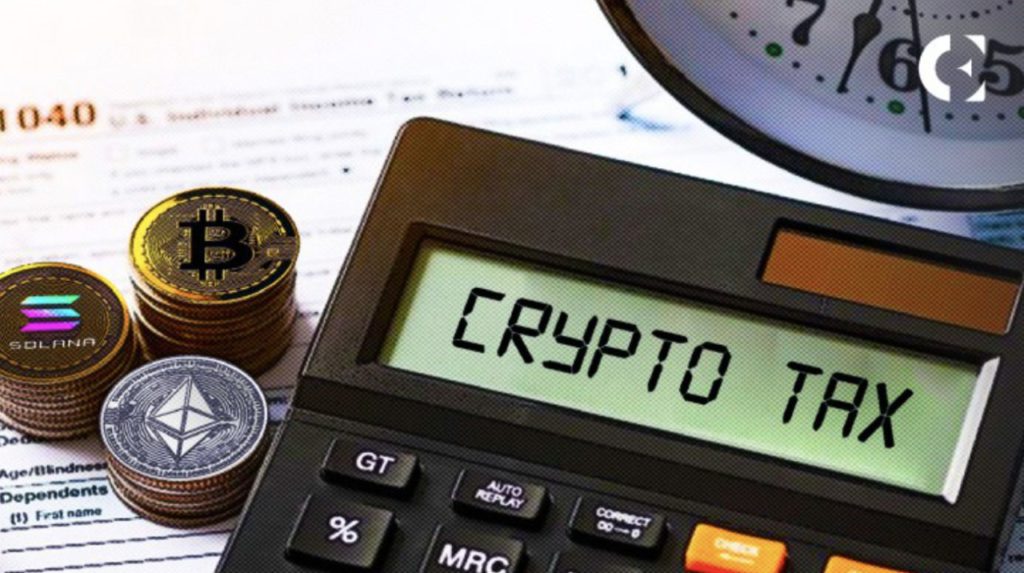
The complexity of the current tax rules stems in part from how digital assets are categorized as property rather than currency or other financial instruments, meaning any sale, swap or payment can be a taxable event. Legislators in the US Congress are working to change this terminology and framework to simplify compliance for citizens and businesses.
The revisions under discussion seek to reformulate the tax rules so that they better reflect the nature of modern digital assets, thereby promoting legal certainty and preventing different interpretations between taxpayers and the IRS.
3. Bipartisan Push for Tax Reform
The request for changes to crypto tax rules came on a bipartisan basis, suggesting that legislators from both parties recognize that the existing rules need to be improved. This request dates back several years, when bipartisanship identified “confusion” among taxpayers and industry players around how to report and calculate profits from digital asset transactions.
These legislative efforts include revisions to tax laws that aim to provide clarity on the tax treatment of various crypto activities such as trading, staking, airdrops, and DeFi, although final details are still being discussed.
4. Criticism and Pressure on the IRS
In addition to legislative pressure, the US federal tax agency, the IRS, has also faced criticism over the way it treats certain aspects of crypto activity, such as staking rewards and complex DeFi transaction reporting. Industry groups argue that current tax rules are often onerous and unfair, adding to the burden on digital asset users.
Senator Todd Young, for example, has submitted a letter to the IRS requesting a revision of the staking tax rules as the current system can force taxes on unrealized gains, a treatment that many see as unfair.
5. Completion Target and Legislative Agenda
Legislators in the House of Representatives and the Senate tax committee are targeting the completion of a new crypto tax bill before the August 2026 legislative break, a move that is expected to provide long-term guidance on the topic. This benchmark reflects the time pressure facing policymakers, as they look to reduce the tax uncertainty that has lasted nearly a decade since the IRS designated crypto as property for tax purposes.
The bill is expected to include clearer definitions of tax terms, treatment of small payments using crypto, and a more streamlined reporting mechanism.
6. Impact of Tax Uncertainty on the Crypto Industry

The uncertainty of crypto tax rules has prompted some investors to adjust their investment strategies to avoid unwanted tax repercussions, while others are confused about how their tax obligations are determined. This situation could affect the level of participation in the US crypto market and even drive activity to jurisdictions with clearer tax rules.
In some cases, traders chose to change portfolios or postpone transactions until there was greater regulatory certainty, reflecting how tax rules impact investment decisions in the sector.
7. Legislative Efforts and the Future of Digital Asset Tax
The complexity of the current crypto tax rules also reflects the fact that digital asset technology is evolving faster than the legislature’s ability to adapt traditional tax law to new innovations such as DeFi, staking, and tokenization. Legislators hope that with comprehensive reform, the US can achieve a tax framework that supports industry growth without compromising legal certainty and taxpayer protection.
This pressure is being widely monitored by global market participants who assess the outcome will not only affect crypto holders in the US but also the country’s position in blockchain technology competition internationally.
Also Read: 7 Bitcoin (BTC) Facts Drop to Around $85,000, New Losses in the Global Crypto Spotlight
Follow us on Google News to get the latest information about crypto and blockchain technology. Check Bitcoin price today, Solana price today, Pepe coin and other crypto asset prices through Pintu Market.
Enjoy an easy and secure crypto trading experience by downloading Pintu crypto app via Google Play Store or App Store now. Also, get a web trading experience with various advanced trading tools such as pro charting, various types of order types, and portfolio tracker only at Pintu Pro.
*Disclaimer
This content aims to enrich readers’ information. Pintu collects this information from various relevant sources and is not influenced by outside parties. Note that an asset’s past performance does not determine its projected future performance. Crypto trading activities are subject to high risk and volatility, always do your own research and use cold hard cash before investing. All activities of buying andselling Bitcoin and other crypto asset investments are the responsibility of the reader.
FAQ
What are the main concerns of the US Congress regarding cryptocurrency taxes?
The US Congress is facing intense pressure to update crypto tax rules as the current rules are difficult to understand and could drive capital and innovation out of the country.
Why is the current tax code considered problematic?
The old rules classified digital assets as property, so any sale, swap, or payment could be subject to capital gains tax without clarity on how to calculate it.
Who warned about the risks of unclear tax rules?
Senator Mike Crapo, Chairman of the Senate Finance Committee, warned that this lack of clarity could stifle innovation and investment in the digital asset sector.
What does the IRS have to do with this?
The IRS has also faced criticism for its tax rules, including the treatment of staking rewards that can trigger taxes on unrealized gains.
When is the revision of crypto tax rules likely to be discussed?
Legislators are targeting to finalize the revised crypto tax rules before the August 2026 legislative break.
What is the potential impact of crypto tax uncertainty?
This uncertainty can affect investment decisions, portfolio strategies of crypto holders, and even drive some activity to jurisdictions where the rules are clearer.
Reference
- Bitcoin.com News. Crypto Tax Pressure Reaches Congress as Lawmakers Face Urgent Push to Rewrite Federal Rules. Accessed December 18, 2025
Berita Terbaru
© 2026 PT Pintu Kemana Saja. All Rights Reserved.
Kegiatan perdagangan aset crypto dilakukan oleh PT Pintu Kemana Saja, suatu perusahaan Pedagang Aset Keuangan Digital yang berizin dan diawasi oleh Otoritas Jasa Keuangan serta merupakan anggota PT Central Finansial X (CFX) dan PT Kliring Komoditi Indonesia (KKI). Kegiatan perdagangan aset crypto adalah kegiatan berisiko tinggi. PT Pintu Kemana Saja tidak memberikan rekomendasi apa pun mengenai investasi dan/atau produk aset crypto. Pengguna wajib mempelajari secara hati-hati setiap hal yang berkaitan dengan perdagangan aset crypto (termasuk risiko terkait) dan penggunaan aplikasi. Semua keputusan perdagangan aset crypto dan/atau kontrak berjangka atas aset crypto merupakan keputusan mandiri pengguna.