Philippines wants to buy 10,000 Bitcoins, locked up for 20 years! What’s the Purpose?
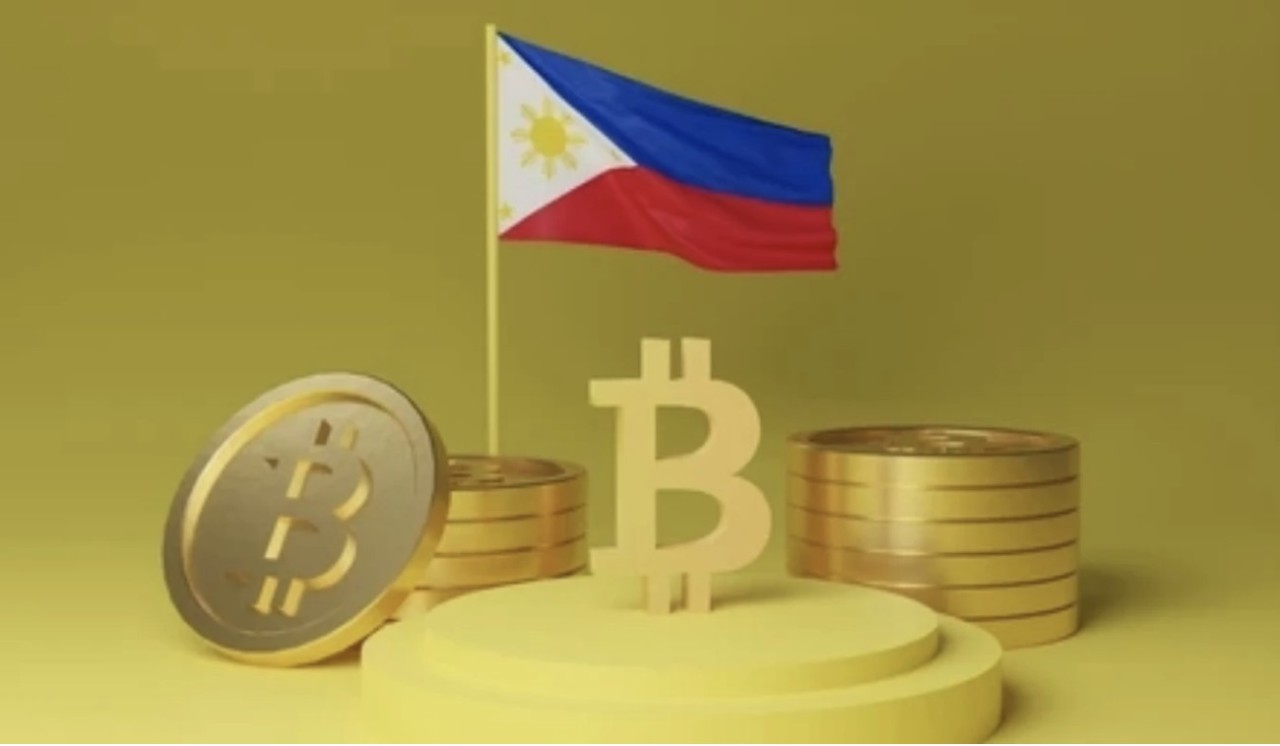
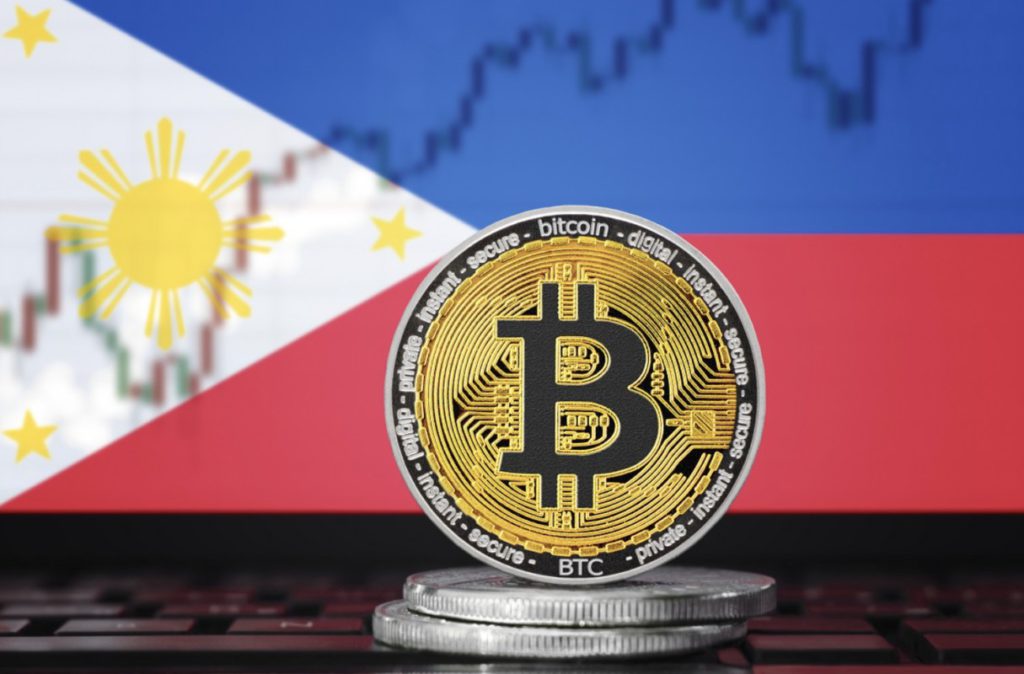
Jakarta, Pintu News – The Philippines is in the spotlight of the crypto world after the government proposed the creation of the Strategic Bitcoin Reserve. The bill would require the Philippines’ central bank to buy and store Bitcoin (BTC) for two full decades.
This move not only reflects confidence in the future of cryptocurrencies, but also opens up discussions on economic stability, financial literacy, and potential risks.
1. What is Strategic Bitcoin Reserve?
The bill is called the Strategic Bitcoin Reserve Act and has been filed by a member of the Philippine House of Representatives, Miguel Luis Villafuerte. According to a report from Decrypt, the reserve will be managed by the central bank with a target accumulation of 10,000 BTC in five years, or 2,000 BTC per year. If converted to the current BTC value of IDR1,827,334,580 per coin, the total purchase reaches more than IDR18.2 trillion.
The bill also stipulates that Bitcoin can only be sold after 20 years, and even then only to repay the country’s debt. According to Villafuerte, this is because Bitcoin is gaining importance as a “strategic asset” that can help strengthen the Philippines’ economic stability. He emphasized that the accumulation of BTC is in anticipation of the new direction of the global financial system.
Also Read: Ondo Finance (ONDO): RWA Project Claimed to be 10x in 2026, Is it True? Here’s the Analysis!
2. Strict Rules on Storage and Transparency
Not only buying Bitcoin, this bill also requires a proof-of-reserve system, aka proof of ownership and reserve reporting. This aims to create public trust and avoid potential misuse of state funds. Data and transparency will be improved through public audits of government-owned digital wallets.
Paul Soliman, CEO of blockchain company BayaniChain, told Decrypt that this transparency is “unprecedented in the financial system.” By opening up public wallets, the public can help monitor government transactions, an approach that is difficult with conventional gold or foreign exchange reserves.
3. Support and Criticism from the Local Crypto Community
Some Philippine crypto industry figures have welcomed the move, though remain cautious of the risks. Miguel Antonio Cuneta, founder of Satoshi Citadel Industries, called the plan an “asymmetric bet” that could pay big dividends if successful. He also told Decrypt that the Philippines could emulate the strategies of other countries that have set up crypto reserves such as Bhutan and Pakistan.
However, not everyone is optimistic. Luis Buenaventura, head of crypto at GCash app, expressed doubt that the bill will pass, although he hopes local companies will start adopting Bitcoin as a reserve asset. He emphasized that the bill could trigger a broader discussion on the role of cryptocurrencies on the balance sheet.
4. Volatility Risk and Low Financial Literacy
One of the biggest concerns is Bitcoin’s extremely high volatility. In his interview with Decrypt, Paul Soliman mentioned that using public funds for risky assets could spark controversy. With the price of BTC fluctuating drastically, the country also faces the possibility of huge losses before the 20-year lock-in period ends.
Soliman also underlines the importance of financial education of the community before the project begins. He says, “With a smart acquisition strategy and a parallel investment in education, this reserve could become a symbol of national accountability.” Without that, the move could backfire if it is not widely understood by the public.
5. Philippines and Stricter Cryptocurrency Regulation
Interestingly, this proposal comes amid a wave of strict regulations being imposed by Philippine authorities on foreign crypto platforms. According to Decrypt’s August 6, 2025 report, the Philippine Securities and Exchange Commission (SEC) has blocked access to almost all international crypto exchanges that are not officially registered.
This shows that the government not only wants to accumulate crypto as an asset, but also strengthen its control over digital trading activities. The SEC even stipulates that digital asset service providers (CASPs) must have a minimum capital of around Rp292 billion and be incorporated locally, according to Memorandum Circular No. 5 which takes effect from May 30, 2025.
Conclusion: A Bold Move that Still Leaves a Question Mark
The Strategic Bitcoin Reserve Bill shows the Philippines’ boldness in entering the cryptocurrency world with a long-term approach. However, its success still depends on many factors, such as price stability, legislative support, and the readiness of legal infrastructure and public education.
Will this strategy make the Philippines a new pioneer in digital asset policy, or will it be a valuable lesson for other countries? Only time will tell.
Also Read: Notcoin (NOT): Why 100 Billion Supply Could Be a Strength and Risk in the Crypto World
That’s the latest information about crypto. Follow us on Google News to get the latest crypto news about crypto projects and blockchain technology. Also, learn crypto from scratch with complete discussion through Pintu Academy and stay up-to-date with the latest crypto markets such as Bitcoin price today, XRP coin price today, Dogecoin and other crypto asset prices through Pintu Market.
Enjoy an easy and secure crypto trading experience by downloading Pintu crypto app via Google Play Store or App Store now. Also, get a web trading experience with various advanced trading tools such as pro charting, various types of order types, and portfolio tracker only at Pintu Pro.
*Disclaimer
This content aims to enrich readers’ information. Pintu collects this information from various relevant sources and is not influenced by outside parties. Note that an asset’s past performance does not determine its projected future performance. Trading crypto carries high risk and volatility, always do your own research and use cold hard cash before investing. All activities of buying and selling Bitcoin and other crypto asset investments are the responsibility of the reader.
Reference:
- Vince Dioquino/Decrypt. Philippines to Consider Strategic Bitcoin Reserve With 20-Year Lockup. Accessed August 25
Latest News
© 2026 PT Pintu Kemana Saja. All Rights Reserved.
The trading of crypto assets is carried out by PT Pintu Kemana Saja, a licensed and regulated Digital Financial Asset Trader supervised by the Financial Services Authority (OJK), and a member of PT Central Finansial X (CFX) and PT Kliring Komoditi Indonesia (KKI). Crypto asset trading is a high-risk activity. PT Pintu Kemana Saja do not provide any investment and/or crypto asset product recommendations. Users are responsible for thoroughly understanding all aspects related to crypto asset trading (including associated risks) and the use of the application. All decisions related to crypto asset and/or crypto asset futures contract trading are made independently by the user.