5 Reasons Brazil’s Central Bank Failed to Optimize Bitcoin’s (BTC) Potential as a State Reserve
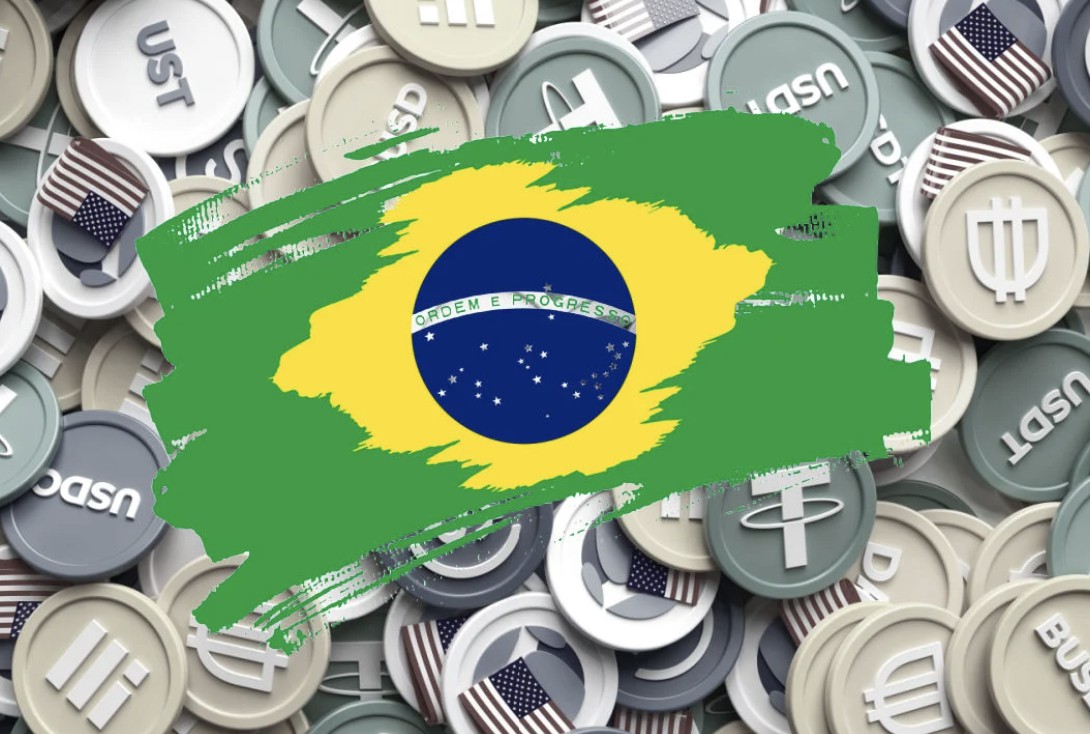
Jakarta, Pintu News – In recent years, Bitcoin (BTC) and other cryptocurrency assets have become an important part of the global conversation about economics and finance. However, while many countries are beginning to recognize the potential of this technology, the Central Bank of Brazil is still hesitant to adopt Bitcoin (BTC) as a state reserve.
A move that could change Brazil’s position in the Latin American cryptocurrency market. So, why has Brazil’s central bank failed to support the use of Bitcoin (BTC) in state reserves?
1. Brazil’s Central Bank Opposes Bitcoin (BTC) as a State Reserve Asset
At a Brazilian congressional hearing, the country’s central bank expressed opposition to a proposal to invest part of the country’s reserves, up to 5%, in Bitcoin (BTC). They argued that Bitcoin (BTC) is better suited as a capital instrument, rather than a reserve asset or stable financial instrument.
This opinion shows an incomprehension of the fundamental nature of Bitcoin (BTC), which can technically serve as a durable and safe reserve, regardless of its short-term volatility.
In addition, Brazil’s central bank also revealed that the purchase of Bitcoin (BTC) would increase the risk to the country’s reserves, which could negatively impact the stability of the national economy. This statement comes even though Bitcoin (BTC) has proven to be one of the best performing assets over the past decade.
Also Read: Tardigrad Trader Predicts Dogecoin Preparing to Surge 3x Compared to Bitcoin!
2. Bitcoin’s (BTC) Potential to Help Brazil’s Economy
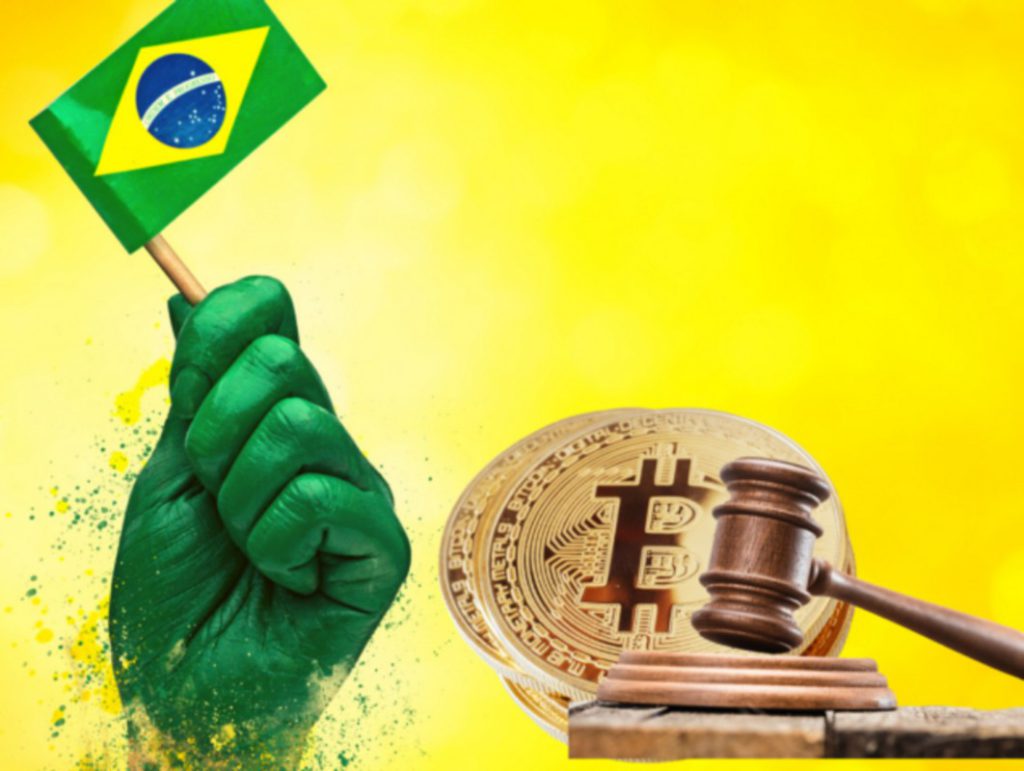
One of the reasons why Bitcoin (BTC) could be a profitable asset for Brazil is its unique characteristics. Bitcoin (BTC) is a digital currency that is not tied to any country’s monetary policy, which makes it an attractive alternative in the face of global economic uncertainty. In addition, Bitcoin (BTC) also offers decentralized properties that can give the country more power in maintaining financial sovereignty.
If Brazil chooses to follow in the footsteps of El Salvador which has adopted Bitcoin (BTC) as a state reserve, it could open up opportunities for the country to capitalize on the increasing global demand for cryptocurrencies. However, such a move would require careful preparation on the part of the legislature and central bank to educate and alleviate fears of Bitcoin (BTC) as a reserve instrument.
3. Regulatory Uncertainty and Adoption Challenges in Brazil
One of the main challenges Brazil faces in terms of accepting Bitcoin (BTC) as a state reserve is the uncertainty in cryptocurrency regulation. Although Brazil has a thriving crypto community, the country’s regulators still face the dilemma of how to craft policies that can support innovation without posing systemic risks.
The Brazilian central bank’s decision to reject this proposal was likely influenced by concerns about the lack of investor protection in a highly volatile market.
However, this regulatory uncertainty could actually be an opportunity for policymakers in Brazil to be pioneers in creating a clear legal framework for cryptocurrencies. With proper regulation, Brazil can reduce uncertainty and pave the way for cryptocurrencies, including Bitcoin (BTC), to function more effectively in the country’s economy.
4. The Role of Education in Changing Policymakers’ Perspectives
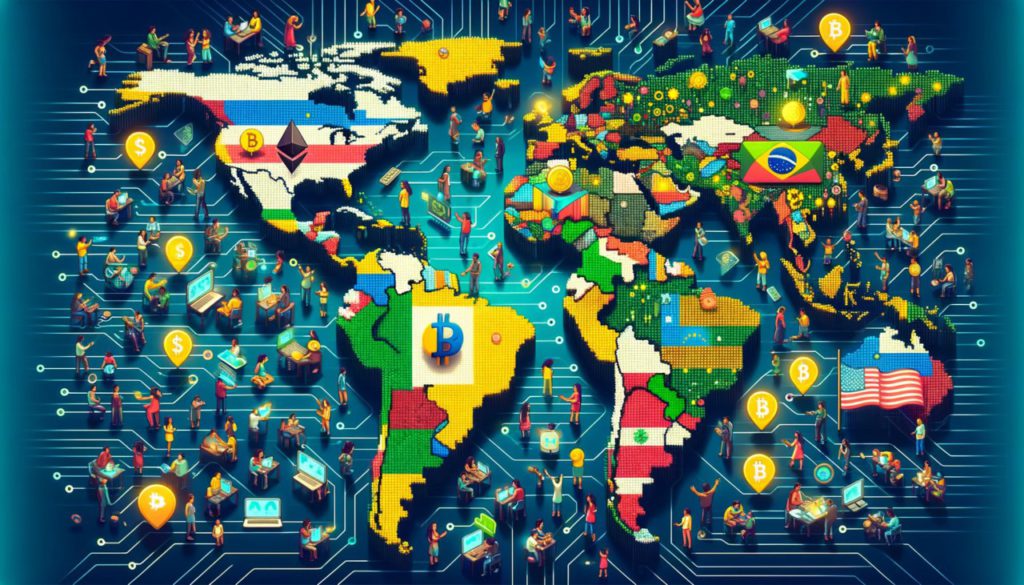
The Brazilian central bank’s decision against Bitcoin (BTC) does not necessarily hinder the country’s chances of becoming a pioneer in cryptocurrency adoption. The main issue that arises is the lack of deep understanding of the potential of cryptocurrencies, particularly Bitcoin (BTC), as a reliable reserve asset.
Therefore, better education for Brazilian policymakers is urgently needed to introduce the advantages of long-term investment in cryptocurrencies.
By educating policymakers and lawmakers about the nature of Bitcoin (BTC) and its long-term potential, Brazil could unlock the opportunity to become the center of the digital economy in Latin America. An in-depth research-based approach and objective analysis of the positive impact of Bitcoin (BTC) could help allay unfounded fears about the potential risks of this cryptocurrency.
5. What Can Brazil Learn From Other Countries’ Experiences?
Brazil is not the first country to consider Bitcoin (BTC) as part of the country’s reserves. El Salvador was first to officially adopt Bitcoin (BTC) in 2021, although they also faced challenges in terms of public acceptance.
However, with regulations continuing to evolve and more foreign investment flowing into El Salvador, this decision has proven that with the right approach, crypto and Bitcoin (BTC) adoption can bring great benefits to the economy.
Seeing the experience of other countries such as El Salvador can be a reference for Brazil to be more open to the potential of Bitcoin (BTC) in the rapidly growing digital economy.
Also Read: 3 Things You Need to Know About Linklogis & XRP Ledger Partnership!
Follow us on Google News to get the latest information about the world of crypto and blockchain technology. Check today‘ s bitcoin price, today’s solana price, pepe coin and other crypto asset prices through Pintu Market.
Enjoy an easy and secure crypto trading experience by downloading Pintu crypto app via Google Play Store or App Store now. Also, get a web trading experience with various advanced trading tools such as pro charting, various types of order types, and portfolio tracker only at Pintu Pro.
*Disclaimer
This content aims to enrich readers’ information. Pintu collects this information from various relevant sources and is not influenced by outside parties. Note that an asset’s past performance does not determine its projected future performance. Crypto trading activities are subject to high risk and volatility, always do your own research and use cold hard cash before investing. All activities of buying andselling Bitcoin and other crypto asset investments are the responsibility of the reader.
Reference:
- Sergio Goschenko. Latam Insights Encore: Central Bank of Brazil Fumbles on Bitcoin Reserve Matters. Accessed August 28, 2025.
Latest News
© 2025 PT Pintu Kemana Saja. All Rights Reserved.
The trading of crypto assets is carried out by PT Pintu Kemana Saja, a licensed and regulated Digital Financial Asset Trader supervised by the Financial Services Authority (OJK), and a member of PT Central Finansial X (CFX) and PT Kliring Komoditi Indonesia (KKI). The trading of crypto asset futures contracts is carried out by PT Porto Komoditi Berjangka, a licensed and regulated Futures Broker supervised by BAPPEBTI, and a member of CFX and KKI. Crypto asset trading is a high-risk activity. PT Pintu Kemana Saja and PT Porto Komoditi Berjangka do not provide any investment and/or crypto asset product recommendations. Users are responsible for thoroughly understanding all aspects related to crypto asset trading (including associated risks) and the use of the application. All decisions related to crypto asset and/or crypto asset futures contract trading are made independently by the user.