

Ethereum records mass slashing, 39 Ethereum validators hit with penalties!
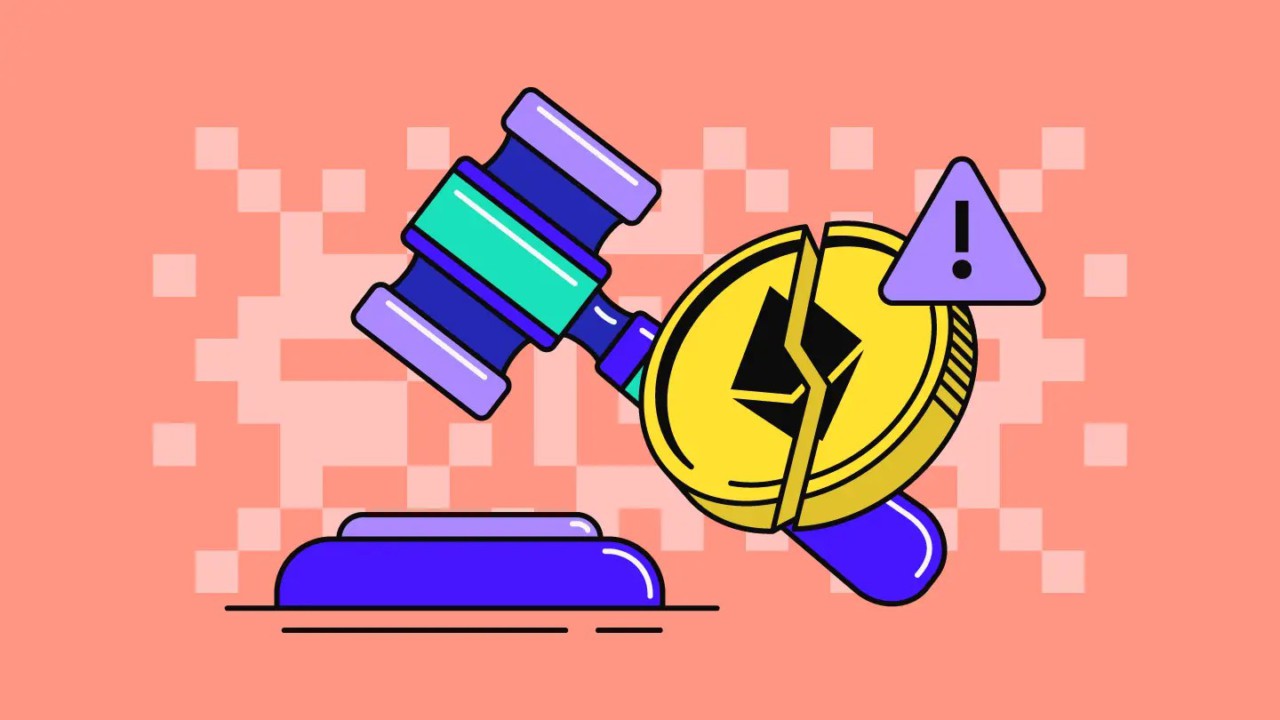
Jakarta, Pintu News – Ethereum (ETH) recently experienced a rare mass withholding incident, where 39 validators were penalized for operational errors related to the SSV Network.
This incident occurred on September 10 and was one of the largest coordinated withholding incidents to ever affect Ethereum since it switched to proof-of-stake in 2022. The incident highlighted the system’s vulnerability to human error despite using state-of-the-art infrastructure.
Causes of Mass Slaughter Incidents
These mass cuts are related to the use of distributed validator technology by third-party staking providers. Ankr, one of the service providers, triggered sanctions during scheduled maintenance that did not go as planned.
Additionally, setting up multiple validators during the migration from Allnodes led to more deductions. Each validator lost about 0.3 ETH, or about $1,300, and activity leaks exacerbated the losses. While no malicious activity or protocol errors were detected, this incident shows that operational errors can cause significant financial losses for validators.
Truncations on Ethereum are still rare; less than 500 of the 1.2 million validators affected since the launch of Beacon Chain in 2020. However, the scale of these events stands out due to the number of validators involved.
Read also: Polygon Launches Hard Fork to Overcome Transaction Delays, What’s the Impact?
Impact on the Ethereum Staking Ecosystem
The incident comes amid mounting pressure on Ethereum’s staking ecosystem. In August, more than 699,000 ETH were added to the exit queue, causing withdrawal delays of up to 12 days.
Currently, more than 2.5 million Ethereum is waiting to be unstaked, reaching a record high in 18 months with a 45-day waiting time in effect. The drop in Ethereum price that has occurred alongside this increase in waiting time indicates significant fluctuations in the ecosystem.
Nonetheless, institutional interest remains strong. Ethereum has added more than 50,000 new validators since May 2025, in response to regulatory clarity in the US provided earlier that year.
Read also: Avalanche Ready to Form AVAX Treasury Company with $1 Billion in Funds
Long-term Implications and Network Security
Ethereum’s withholding mechanism is designed to maintain network integrity by punishing careless or negligent behavior. Although infrastructure such as SSV’s Distributed Validator Technology (DVT) is used, the September 10 incident shows that human error is still a weak point in the system.
This incident underscores the importance of careful operation and close supervision in the management of validators. It is important for validator operators to pay attention to details and avoid settings that could trigger truncation. Increased awareness and training can help reduce similar incidents in the future, ensuring greater stability and security of the Ethereum network.
Conclusion
The Ethereum mass withholding incident is an important reminder that technology, no matter how sophisticated, is still vulnerable to human error. This incident not only had a financial impact on the validators involved but also raised questions about best practices in the management of validators and related infrastructure. Going forward, improved protocols and better training will be key in mitigating similar risks.
That’s the latest information about crypto. Follow us on Google News to get the latest crypto news about crypto projects and blockchain technology. Also, learn crypto from scratch with complete discussion through Pintu Academy and stay up-to-date with the latest crypto market such as bitcoin price today, xrp coin price today, dogecoin and other crypto asset prices through Pintu Market.
Enjoy an easy and secure crypto trading experience by downloading Pintu crypto app via Google Play Store or App Store now. Also, get a web trading experience with various advanced trading tools such as pro charting, various types of order types, and portfolio tracker only at Pintu Pro.
*Disclaimer
This content aims to enrich readers’ information. Pintu collects this information from various relevant sources and is not influenced by outside parties. Note that an asset’s past performance does not determine its projected future performance. Crypto trading activities have high risk and volatility, always do your own research and use cold cash before investing. All activities of buying and selling bitcoin and other crypto asset investments are the responsibility of the reader.
Reference
- Crypto News. Ethereum Slashes 39 Validators, SSV Network Error 2025. Accessed on September 12, 2025
- Featured Image: Webopedia
Latest News
© 2026 PT Pintu Kemana Saja. All Rights Reserved.
The trading of crypto assets is carried out by PT Pintu Kemana Saja, a licensed and regulated Digital Financial Asset Trader supervised by the Financial Services Authority (OJK), and a member of PT Central Finansial X (CFX) and PT Kliring Komoditi Indonesia (KKI). Crypto asset trading is a high-risk activity. PT Pintu Kemana Saja do not provide any investment and/or crypto asset product recommendations. Users are responsible for thoroughly understanding all aspects related to crypto asset trading (including associated risks) and the use of the application. All decisions related to crypto asset and/or crypto asset futures contract trading are made independently by the user.