

5 facts on how Iranians can use crypto despite internet outage
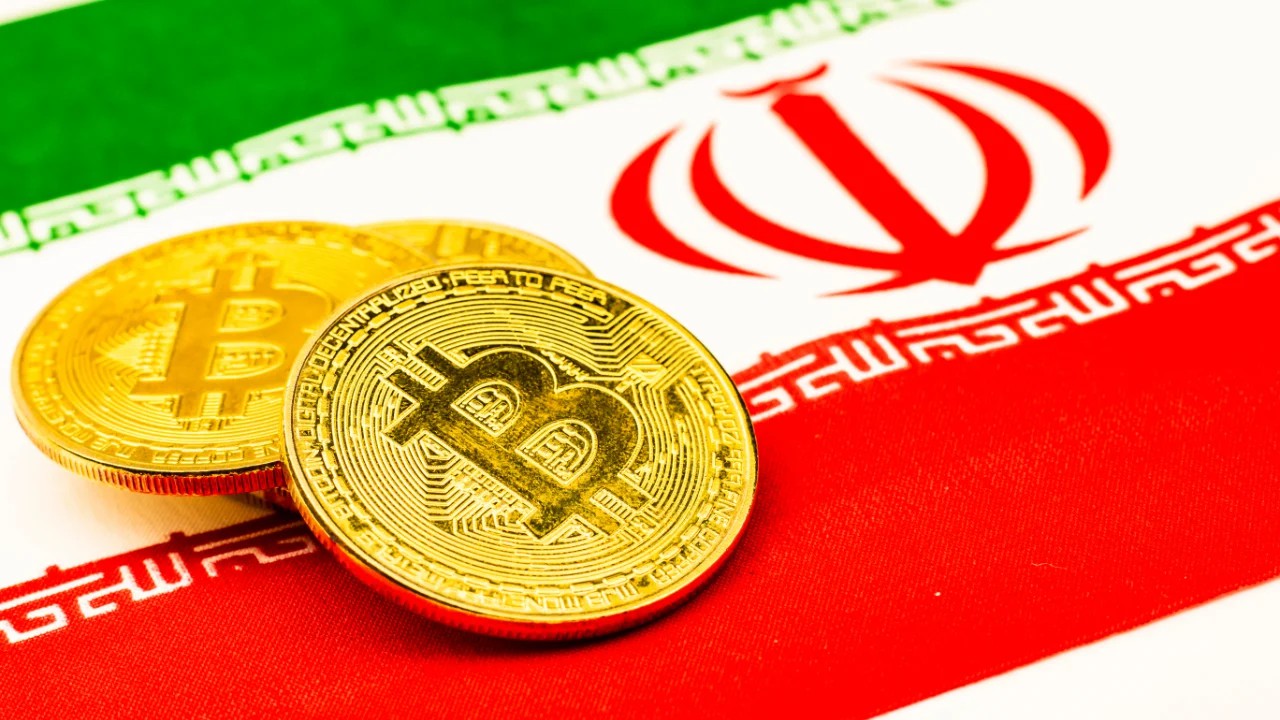
Jakarta, Pintu News – When the Iranian government cut off internet access amid a massive wave of protests that took place early January 2026, an important question arose for crypto users in the country: is it still possible to use cryptocurrencies like Bitcoin (BTC) without the internet?
Governments are cutting off internet connections nationwide to stifle public communication, but a number of alternative technological solutions are thought to still enable crypto transactions, albeit with certain limitations. This report summarizes the ways being considered and developed to still access blockchain networks even without traditional internet connectivity.
1. Starlink and Satellite Internet
One of the most obvious options for Iranians is through satellite internet services like Starlink, which can provide a connection without relying on local infrastructure. Starlink works with antennas connected to satellites that then send data through lasers and ground stations, making it an independent internet source from blocked domestic networks.
Previously, such services were often requested by citizens in blackout areas to access the internet and other online platforms. If widely available, satellite access like Starlink would allow users’ devices to stay connected to blockchain networks and conduct crypto transactions.
However, the use of satellite internet in countries with full internet blocking remains a legal risk or restriction by the local government. Access via satellite can be blocked or monitored by authorities, although the technology provides a window to bypass network controls.
Also Read: 5 Conditions for the Crypto Market to Hit an All-Time High in 2026, Here’s What Needs to Happen!
2. Bitcoin Data Network Via Satellite
In addition to general satellite internet, there are more specialized solutions that are satellite networks that provide their own blockchain data. For example, Bitcoin infrastructure companies like Blockstream operate a satellite network that transmits Bitcoin data around the world. With this method, users can receive blockchain transaction data without a regular internet connection.
This solution allows Bitcoin nodes to verify and view blockchain data offline, although actually broadcasting transactions still requires a connection to a satellite network or the internet. If devices are able to connect to the satellites that transmit blockchain data, users can still follow the movement of their blocks and balances.
3. Peer-to-Peer and Bluetooth Mesh
Another emerging alternative is the use of peer-to-peer networks based on Bluetooth mesh. This technology allows devices to communicate with each other through a direct connection without the internet, so that transaction data can be exchanged between phones.
An early example of this approach is a messaging service that allows users to send data related to Bitcoin transactions between devices via a Bluetooth mesh. Once this data is collected, the device needs an internet connection to broadcast its transactions to the blockchain network.
This approach is still in its infancy and has limitations in terms of reach and speed. However, in blackout conditions, peer-to-peer solutions are a technical option that local communities can utilize to keep interacting with crypto networks.
4. Other Crypto Offline Projects
A number of other projects are also being developed to enable full or partial internet-less crypto transactions. For example, there are initiatives that use long frequency radio or other distributed mesh networking strategies to send blockchain data without relying on internet infrastructure.
While the solution is still far from widespread implementation, its existence reflects a real need for alternative methods to access decentralized financial networks. If successfully adopted locally, this solution could become part of the mitigation tools when the main connection is lost.
5. Challenges and Limitations
While the various technologies above offer a pathway to access the crypto network when traditional internet is down, they all have limitations. For example, most of these tools still require an internet (or satellite) connection at some point to broadcast transactions on the blockchain.
In addition, the use of satellite technology or alternative networks often faces regulatory and legal barriers, especially in countries that block or severely restrict digital access. Utilization of such networks may be considered illegal or closely monitored by local authorities.
Infrastructure limitations, the cost of additional devices such as satellite antennas, and more complex technical requirements are also real challenges for ordinary citizens who want to keep using crypto amid internet blackouts.
Conclusion
While government internet shutdowns like the one in Iran in early January 2026 make standard access to blockchain networks difficult, some alternative technologies still open up opportunities for citizens to continue using cryptocurrencies.
Solutions such as satellite internet, blockchain satellite networks, peer-to-peer networks, and offline projects are emerging as mitigation pathways. However, technical and legal challenges remain high, so widespread adoption still faces significant barriers.
Also Read: The Pattern Repeats? Ripple (XRP) is Ready to Surge Like 2017!
Follow us on Google News to get the latest information about crypto and blockchain technology. Check Bitcoin price today, Solana price today, Pepe coin and other crypto asset prices through Pintu Market.
Enjoy an easy and secure crypto trading experience by downloading Pintu crypto app via Google Play Store or App Store now. Also, get a web trading experience with various advanced trading tools such as pro charting, various types of order types, and portfolio tracker only at Pintu Pro.
*Disclaimer
This content aims to enrich readers’ information. Pintu collects
this information from various relevant sources and is not influenced by outside parties. Note that an asset’s past performance does not determine its projected future performance. Trading crypto carries high risk and volatility, always do your own research and use cold hard cash before investing. All activities of buying andselling Bitcoin and other crypto asset investments are the responsibility of the reader.
Reference:
– Cointelegraph via TradingView. Iran Is Cut Off From the Internet:Here’s How Crypto Could Still Work. Accessed January 8, 2026.
Latest News
© 2026 PT Pintu Kemana Saja. All Rights Reserved.
The trading of crypto assets is carried out by PT Pintu Kemana Saja, a licensed and regulated Digital Financial Asset Trader supervised by the Financial Services Authority (OJK), and a member of PT Central Finansial X (CFX) and PT Kliring Komoditi Indonesia (KKI). Crypto asset trading is a high-risk activity. PT Pintu Kemana Saja do not provide any investment and/or crypto asset product recommendations. Users are responsible for thoroughly understanding all aspects related to crypto asset trading (including associated risks) and the use of the application. All decisions related to crypto asset and/or crypto asset futures contract trading are made independently by the user.