

5 Facts South Africa considers 50% tariffs on China & India to test BRICS unity
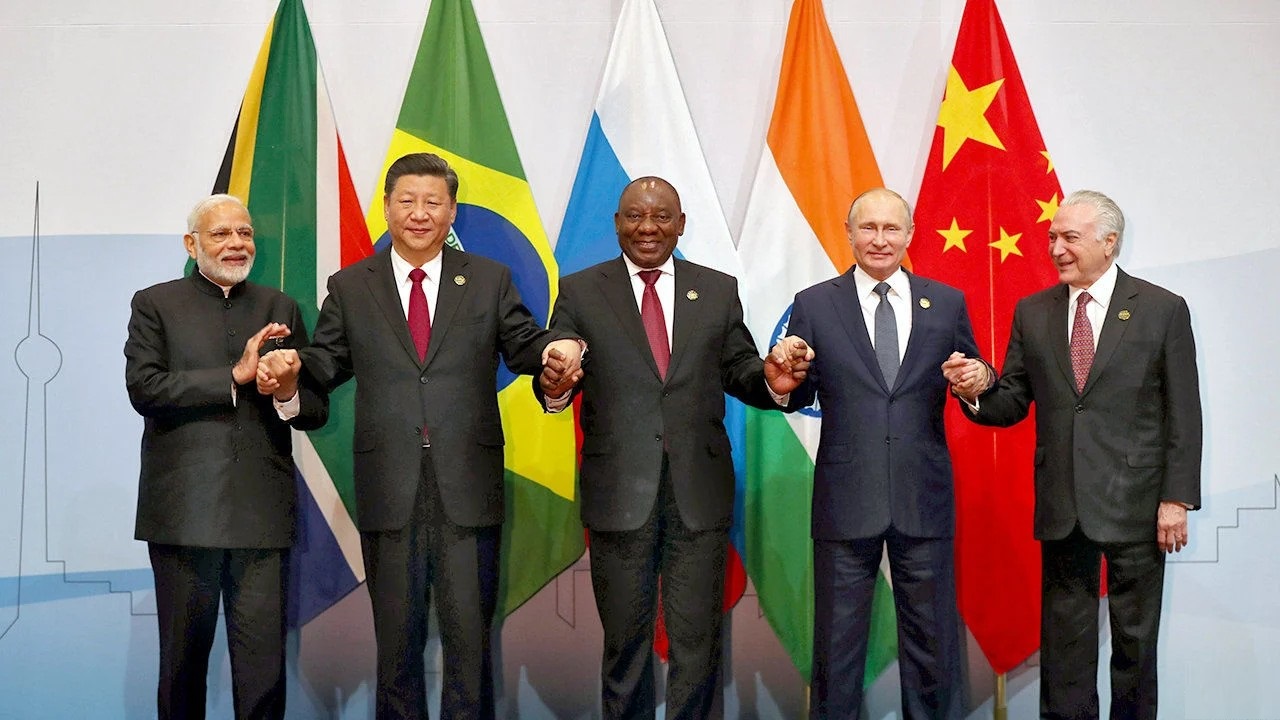
Jakarta, Pintu News – South Africa’s plan to impose tariffs of up to 50 percent on vehicle imports from China and India raises serious questions about cohesion within the BRICS economic bloc.
While China, India, Russia, Brazil, and South Africa form an alliance formally aimed at strengthening economic cooperation, the tariff policy exposes a real tension between national interests and the collective goals of BRICS. Here are five key insights relevant to market analysts, investors, and geopolitical observers.
1. 50 Percent Tariff Plan Motivated by Domestic Market Pressure
South Africa is considering high tariffs of up to 50 percent on imported vehicles from China and India to protect the domestic automotive industry. Vehicles from China account for about 53 percent of South Africa’s total vehicle imports, while India’s is about 22 percent, so aggressive price competition has squeezed local manufacturers’ margins.
The sharp increase in car imports added significantly in recent years – vehicle shipments from China rose by about 368 percent and from India by about 135 percent – indicating market dynamics that fueled the government’s protectionist efforts.
Also Read: 7 Shocking Bitcoin & Crypto Facts in Epstein Files: Crypto’s Early Traces Revealed!
2. Tariff Policy Drives Tensions Within BRICS
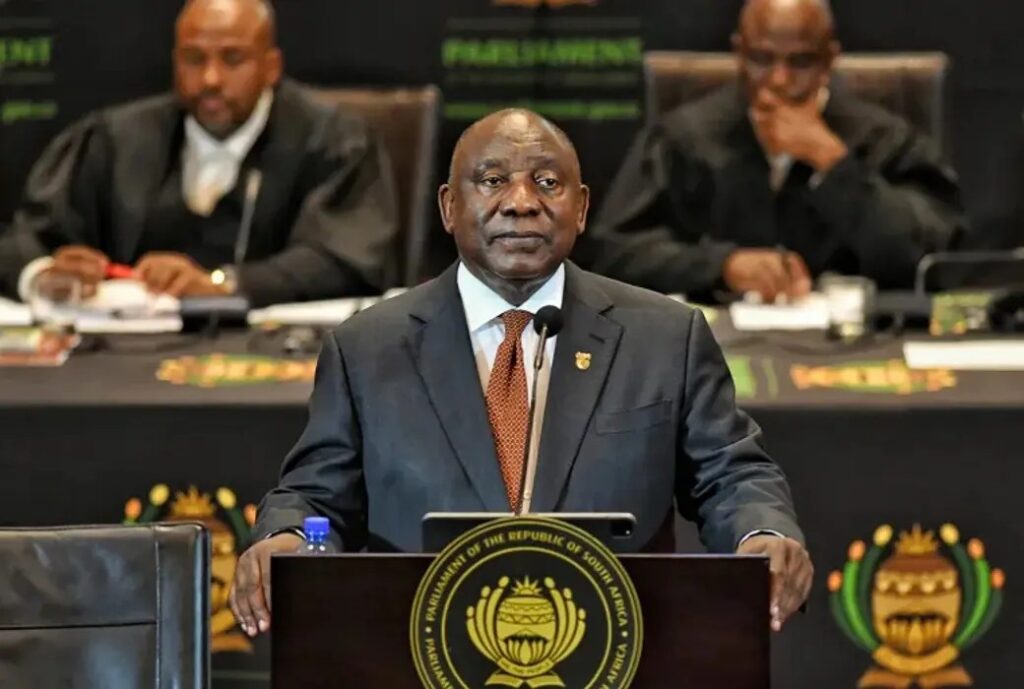
This aggressive tariff policy has led to criticism of the BRICS cooperation principle, as China and India are both allies and trading partners in the bloc. This illustrates that national interests of member states sometimes dominate over collective goals when it comes to intra-BRICS trade.
Such pressures run counter to the official BRICS narrative that emphasizes cooperation and economic synergies among developing countries, sparking debate over the strategic direction of the bloc.
3. Protectionism Emerges Amid Debate on Global Economic Challenges
The high tariffs on China and India come as South Africa seeks to address its bilateral trade deficit and protect local industries from the flow of cheaper imported goods. This kind of protectionism can be interpreted as a response to structural challenges in the global economy, not just intra-BRICS dynamics.
However, protectionism also carries the risk of a trade war that could deepen tensions with major trading partners and spike costs for domestic consumers.
4. Impact on BRICS Economic Integration
Such tariff policies could slow down the process of economic integration that BRICS members are pursuing. The alliance theoretically focuses on strengthening cooperation, diversifying trade, and reducing the dominance of Western financial systems.
South Africa’s protectionist measures may raise concerns among other members that national priorities could hinder the achievement of longer-term goals, such as the establishment of more integrated trading mechanisms and support for joint investment projects.
5. Global Response to Tariff Tensions
These tensions come amid widespread global tariff pressures, including the United States’ tariff policy against BRICS countries that also reaches 50 percent on some products. Such moves are often seen as part of a broader global economic competition between the emerging bloc and developed economies.
Responses from BRICS member states have been mixed, with some calling for stronger policy coordination to deal with external pressures, while others maintain a protectionist stance in favor of domestic interests.
Also Read: 4 Shocking Facts about Bitcoin Breaking Rp1.42 Billion: Similar to BTC April 2025 Technical Signal!
Follow us on Google News to stay up to date with the latest crypto and blockchain technology. Check Bitcoin price, USDT to IDR and Nvidia stock price tokenized via Pintu Market.
Enjoy an easy and secure crypto trading experience by downloading the Pintu crypto app via Play Store or App Store now. Also, experience web trading with advanced trading tools such as pro charting, various order types, and portfolio tracker only at Pintu Pro.
*Disclaimer
This content aims to enrich readers’ information. Pintu collects this information from various relevant sources and is not influenced by outside parties. Note that an asset’s past performance does not determine its projected future performance. Crypto trading activities are subject to high risk and volatility, always do your own research and use cold hard cash before investing. All activities of buying and selling Bitcoin and other crypto asset investments are the responsibility of the reader.
Reference:
- Watcher Guru. BRICS Unity?South Africa to Impose 50% Tariffs on China & India. Accessed February 4, 2026.
Latest News
© 2026 PT Pintu Kemana Saja. All Rights Reserved.
The trading of crypto assets is carried out by PT Pintu Kemana Saja, a licensed and regulated Digital Financial Asset Trader supervised by the Financial Services Authority (OJK), and a member of PT Central Finansial X (CFX) and PT Kliring Komoditi Indonesia (KKI). Crypto asset trading is a high-risk activity. PT Pintu Kemana Saja do not provide any investment and/or crypto asset product recommendations. Users are responsible for thoroughly understanding all aspects related to crypto asset trading (including associated risks) and the use of the application. All decisions related to crypto asset and/or crypto asset futures contract trading are made independently by the user.