5 Examples of Digital Wallets for NFTs
Jakarta, Pintu News – In the dynamic world of crypto, non-fungible tokens (NFTs) are emerging as a revolutionary form of digital asset. These unique tokens, which often represent both digital and physical goods, are stored in NFT-specific digital wallets.
Choosing a digital wallet for NFTs is essential for maintaining security while ensuring easy access to your valuable digital collections.
In this article, we will have a thorough discussion about NFT wallets: how they work and the types.
Understanding the Importance of Digital Collection Storage
NFTwallets (Non-Fungible Token wallets) are digitalwallets specifically designed to store, manage, and perform NFT transactions. Different from regular crypto wallets, digital wallets for NFTs provide dedicated space for the unique characteristics and ownership details of each token.
Read also: Top 3 NFT Tokens of August 2025: Nakamigos, BAYC, and Pudgy Penguins
By utilizing blockchain technology, this wallet guarantees transparency and immutability of every NFT transaction.
How does NFT Wallet Protect Digital Collections?
In order to make the right decision, it is important to understand how digital wallets for NFTs work. Here are some key aspects that define its functionality:
Blockchain Integration
NFT wallets operate on the blockchain network, providing a decentralized and secure environment for transactions. Every transaction is recorded in the distributed ledger, so it cannot be changed unilaterally.
Private Key Security
At the core of NFT wallet security lies the private key, a unique cryptographic code that grants exclusive access to the wallet owner. This private key ensures security and serves as proof of legal ownership of NFTs, as well as a digital signature for each transaction.
Token Standard
NFTs follow specific standards such as ERC-721 or ERC-1155 to be compatible and usable across platforms and wallets. Adherence to these standards facilitates the transfer and recognition of NFTs across various blockchain ecosystems.
Smart Contracts
NFT transactions are executed through smart contracts, which are automated contracts whose terms are written in code. This mechanism speeds up the process, ensures trust without intermediaries, and reduces third-party risk.
Proof of Ownership
Digital wallets for NFTs permanently record proof of ownership on the blockchain. This transparency establishes a clear, immutable history of ownership, and is one of the key characteristics of NFTs.
Interoperability
Many digital wallets for NFTs support various blockchain networks, allowing users to store and transact across platforms. This feature increases flexibility and makes it easier to interact with various marketplaces and the NFT ecosystem.
Types of Digital Wallets for NFTs
The NFT world offers different types of digital wallets designed for different needs. Understanding these types of wallets is essential in order to choose the most suitable one to store your NFT collection.
Here’s an explanation of some types of digital wallets for NFTs.
1. Custodial Wallets
Custodial wallets are managed by a third-party service provider. This type provides ease of use, but with a consequence: some control over the private keys is left to the provider.
Security relies heavily on third-party systems, so users need to consider the balance between convenience and the level of personal control sacrificed.
Read also: xStocks on Solana Hits $2 Billion Volume in 6 Weeks, Presents 60+ US Stock Tokens
2. Mobile Wallets
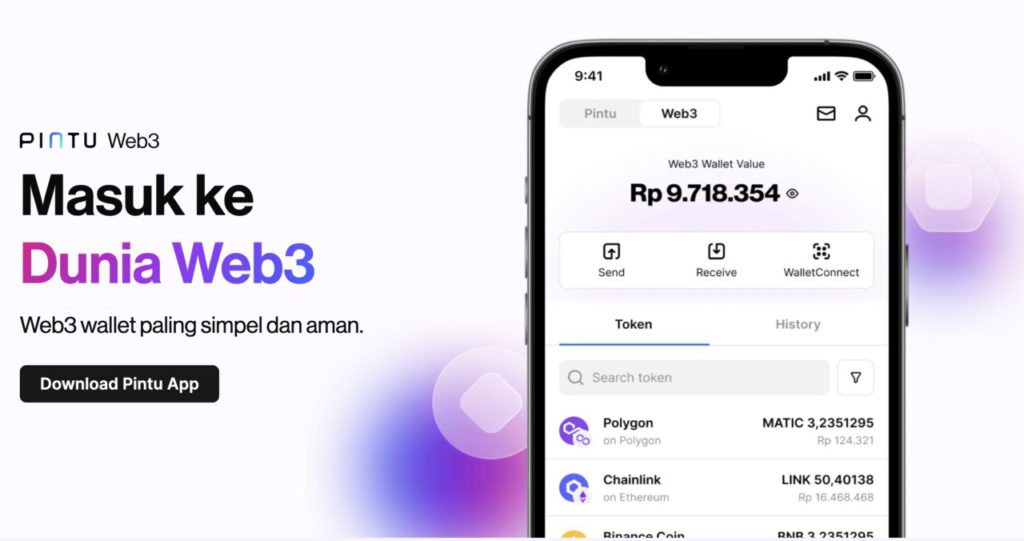
Mobile wallets are designed for mobile devices, combining accessibility and security. It is ideal for users who want to manage NFTs anytime and anywhere. An example of easy-to-use mobile wallets for NFTs is the Web3 Door Wallet.
Pintu Web3 Wallet is a crypto wallet that allows users to manage crypto and NFT assets and securely access various dApps through the Pintu app. Using MPC technology with support for Web3 Firewall and Cloud Backup features, this wallet offers extra security as well as ease of recovery.
The Web3 door also supports popular networks such as Ethereum , BNB Smart Chain, Polygon , and Arbitrum , allowing users to interact across blockchains without the hassle of managing multiple wallets.
3. Hardware Wallets
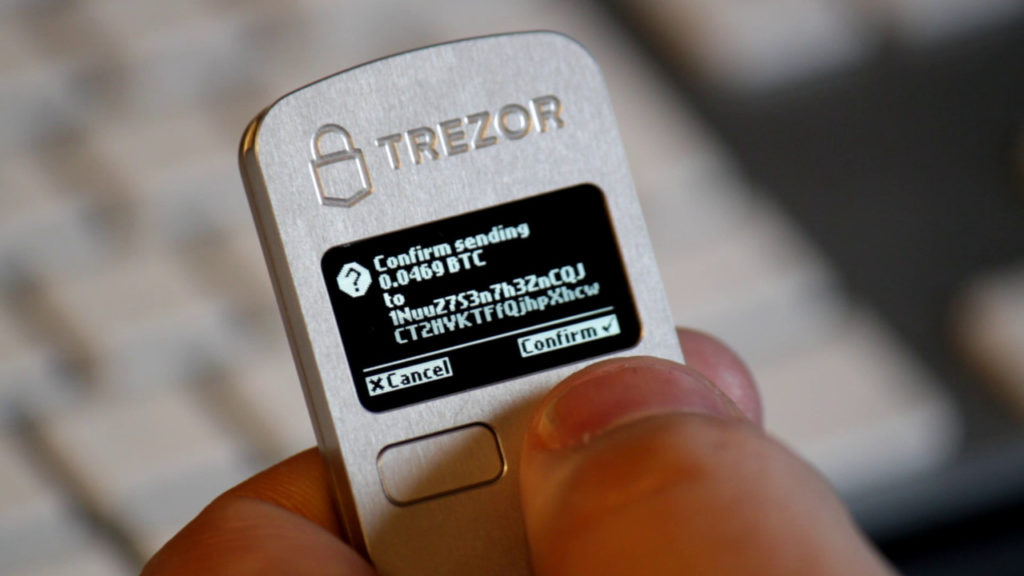
Hardware wallets are physical devices that store private keys offline, making them much more secure from cyber threats. Products like Ledger and Trezor are known as digital asset protectors, providing an extra layer of protection for NFT owners. For those who prioritize security, hardware wallets are the best choice.
4. Online Wallets
Online wallets are web-based platforms that can be accessed through a browser. While convenient, users should still be aware of potential security risks. Popular examples such as MetaMask and MyEtherWallet offer easy access, but it is still necessary to prioritize security in every digital activity.
5. Desktop Wallets
Desktop wallets are software applications installed on computers, offering a balance between security and ease of use.
Exodus and Atomic Wallet are favorites for their user-friendly interface while maintaining high security standards. Managing NFTs via desktop provides more convenience on a larger screen.
Overall, choosing the right digital wallet for NFTs is important for both security and convenience in managing digital collections. Each type of wallet-from online wallets, hardware wallets, mobile wallets, desktop wallets, to custodial wallets-needs to be tailored to the user’s needs and desired level of control.
As the Web3 and NFT ecosystems continue to grow, wallets like the Web3 Wallet Door present a practical solution that combines security, ease of access, and cross-blockchain support.
Ultimately, choosing the right wallet will be the first step that determines your experience in exploring the world of NFTs.
That’s the latest information about crypto. Follow us on Google News to get the latest crypto news about crypto projects and blockchain technology. Also, learn crypto from scratch with complete discussion through Pintu Academy and stay up-to-date with the latest crypto market such as bitcoin price today, xrp coin price today, dogecoin and other crypto asset prices through Pintu Market.
Enjoy an easy and secure crypto trading experience by downloading Pintu crypto app via Google Play Store or App Store now. Also, get a web trading experience with various advanced trading tools such as pro charting, various types of order types, and portfolio tracker only at Pintu Pro.
*Disclaimer
This content aims to enrich readers’ information. Pintu collects this information from various relevant sources and is not influenced by outside parties. Note that an asset’s past performance does not determine its projected future performance. Trading crypto carries high risk and volatility, always do your own research and use cold hard cash before investing. All activities of buying and selling bitcoin and other crypto asset investments are the responsibility of the reader.
Reference:
- Serena Williams. NFT Digital Wallets: A Comprehensive Guide to Secure Digital Collectible Storage. Accessed on August 22, 2025