

What are BTC Stocks?

Jakarta, Pintu News – The term “Bitcoin stocks” has recently gained popularity among investors, especially as interest in digital assets such as Bitcoin (BTC) increases.
However, many still misunderstand this concept and consider Bitcoin to be the same as stocks in general. In fact, Bitcoin is not a security or company ownership, but a digital asset that stands on blockchain technology.
This article will discuss the fundamental differences between Bitcoin and stocks, as well as how to invest in Bitcoin-related instruments in a safe and informed manner!
Bitcoin is not a stock
Bitcoin (BTC) is a decentralized digital asset built on blockchain technology, not a security representing ownership of a company. In traditional shares, investors buy a “share” of a company and are entitled to dividends and voting rights at the AGM; whereas Bitcoin holders acquire neither company assets nor voting rights in the issuing entity.
The stock market is captured by exchanges that have limited trading hours and are strictly regulated by financial authorities, while the crypto market operates 24 hours a day and regulation is still evolving.
Bitcoin’s volatility has also historically been much greater than that of established company stocks; the value of Bitcoin can move tens of percent in a single day, whereas blue-chip stocks tend to move more steadily. As such, understanding that Bitcoin is not a stock is an important step towards adjusting investment strategies, taking into account its different risk aspects and characteristics.
What are “Bitcoin Stocks”?
The term “Bitcoin stocks” is often used loosely and can refer to several different concepts. One is the shares of a publicly traded company that has large Bitcoin reserves or operates in the crypto industry – for example a mining company or a company that holds Bitcoin as part of its balance sheet.
Another meaning is capital market products such as ETFs or trusts that provide exposure to Bitcoin price movements (spot or future) without holding the coin directly. In this case, investors “take a stake” through exchange-regulated instruments.
Read also: Michael Saylor and Investment Philosophy: “Never Sell Your Bitcoin (BTC)”
It is important to note, however, that buying shares of these companies or ETFs is not the same as owning Bitcoin outright; the risks, costs, and operational factors of the company influence the outcome.
Therefore, when referring to “Bitcoin stocks”, investors should clearly understand the type of instrument – whether it is a direct mirroring of Bitcoin, or simply exposure through a corporate entity/financial product.
How to Invest in Bitcoin or Bitcoin-Related Stocks
There are several commonly used pathways to gain exposure to Bitcoin or its associated ecosystems:
1. Buying Bitcoin directly
Investors buy BTC coins through a crypto exchange such as Pintu, store them in a digital wallet and manage the private keys themselves. This provides direct ownership, but carries security, regulatory and liquidity risks.
2. Buying shares of crypto companies
For example, companies that mine Bitcoin or hold Bitcoin as a major asset. Investors here gain exposure to the price movements of Bitcoin through the performance of the company in question.
3. Using ETFs, trusts or Bitcoin-related products
An exchange instrument that allows retail investors to gain Bitcoin price exposure without having to manage private keys or hold live coins. Suitable for investors looking for capital market simplicity and regulation.
In choosing, each path has its advantages and disadvantages: direct ownership gives full control but high risk; company shares offer convenience but are affected by company operations; capital market products provide structured exposure but can have certain costs and limitations.
Also read: 10 Crypto DEXs That Could Potentially Rise by 2026
5 Bitcoin-Related Stocks to Watch in 2025
For investors who want to gain exposure to Bitcoin (BTC) without buying the coin directly, some publicly traded companies offer indirect ways to participate in the growth of the crypto industry. Here are five stocks to watch in 2025 for their strong ties to the Bitcoin ecosystem.
1. BlackRock (BLK)

As one of the largest asset managers in the world, BlackRock manages over US$11.6 trillion in funds. In January 2024, the company launched iShares Bitcoin Trust (IBIT), their first spot Bitcoin ETF. The product set a record by amassing more than US$50 billion in assets in less than a year, making it one of the fastest-growing ETFs in history.
With a market capitalization of about US$130 billion and a share price increase of about 26% over 2024, BlackRock is a prime mover in driving Bitcoin adoption among institutional investors. The success of this ETF also helps normalize crypto assets in global financial markets.
2. MicroStrategy (MSTR)

MicroStrategy remains the public company with the largest Bitcoin holdings in the world. As of February 26, 2025, the company held approximately 499,096 BTC, valued at US$47.4 billion. MicroStrategy’s aggressive strategy of making Bitcoin the main asset on its balance sheet has made its shares move along with the price of BTC.
By 2024, MicroStrategy stock had soared 190%, and its market capitalization reached approximately US$65.2 billion. Many investors refer to MSTR stock as a “Bitcoin proxy” because its value is highly correlated with the performance of the largest crypto asset.
3. Coinbase (COIN)

As one of the most popular crypto exchanges in the world, Coinbase plays an important role in providing retail and institutional investors with access to Bitcoin trading. The company’s revenue comes from transaction fees, staking services, and digital asset custody.
Coinbase’s stock performance rose sharply as crypto trading volume increased. By the end of 2024, COIN’s share price rose from US$173.92 to US$248.30, registering a gain of approximately 42.8%. With its strategic role as a bridge between traditional and crypto markets, Coinbase has been one of the companies to benefit the most from the growing adoption of digital assets.
4. NVIDIA (NVDA)
As the world’s largest GPU manufacturer, NVIDIA plays an important role in supporting the Bitcoin mining industry. Their GPUs are used in mining operations as well as AI and blockchain-based applications. In 2024, the company recorded revenues of around US$60.9 billion, with a market capitalization of US$3.1 trillion.
NVIDIA’s share price rose 171% over 2024, thanks to a surge in demand for chips used in both AI and crypto mining. With continuous innovation, NVIDIA continues to be a key player in the technological infrastructure behind the blockchain and crypto industries.
5. Riot Platforms (RIOT)
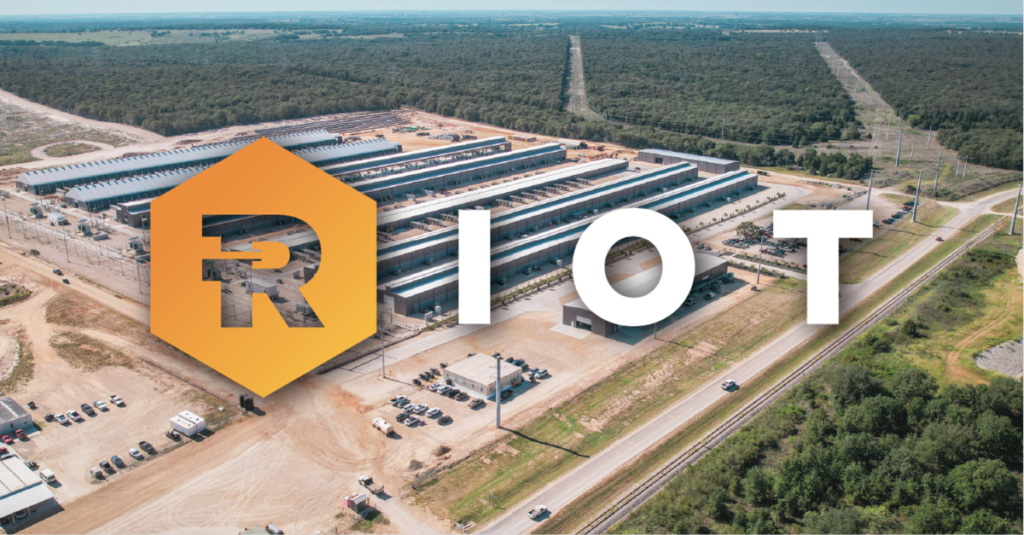
Riot Platforms is one of the largest Bitcoin mining companies in North America. In 2024, the company managed to mine 4,828 BTC and has a hash rate capacity of 31.5 EH/s. The scale of its operations makes it one of the most influential public entities in the mining sector.
With a market capitalization of approximately US$3.21 billion, Riot’s share price is highly sensitive to the profitability of Bitcoin mining, which is dependent on BTC prices and energy costs. For investors interested in the crypto infrastructure sector, Riot is one stock that directly reflects the fundamental dynamics of the Bitcoin industry.
Conclusion
In conclusion, Bitcoin is not a stock, but rather a digital asset whose value depends on market trust and adoption. The term “Bitcoin stocks” generally refers to companies or financial products connected to the Bitcoin ecosystem. Investors need to understand the difference in order to choose the appropriate investment vehicle-whether buying Bitcoin outright, shares of crypto companies, or products such as ETFs-while keeping risk and financial goals in mind.
That’s the latest information about crypto. Follow us on Google News to get the latest crypto news about crypto projects and blockchain technology. Also, learn crypto from scratch with complete discussion through Pintu Academy and stay up-to-date with the latest crypto market such as bitcoin price today, xrp coin price today, dogecoin and other crypto asset prices through Pintu Market.
Enjoy an easy and secure crypto trading experience by downloading Pintu crypto app via Google Play Store or App Store now. Also, get a web trading experience with various advanced trading tools such as pro charting, various types of order types, and portfolio tracker only at Pintu Pro.
*Disclaimer
This content aims to enrich readers’ information. Pintu collects this information from various relevant sources and is not influenced by outside parties. Note that an asset’s past performance does not determine its projected future performance. Trading crypto carries high risk and volatility, always do your own research and use cold hard cash before investing. All activities of buying and selling bitcoin and other crypto asset investments are the responsibility of the reader.
Reference
- Yahoo. The 10 Public Companies With the Biggest Bitcoin Portfolios. Accessed October 30, 2025.
- Featured Image: ValueWalk
Latest News
© 2026 PT Pintu Kemana Saja. All Rights Reserved.
The trading of crypto assets is carried out by PT Pintu Kemana Saja, a licensed and regulated Digital Financial Asset Trader supervised by the Financial Services Authority (OJK), and a member of PT Central Finansial X (CFX) and PT Kliring Komoditi Indonesia (KKI). Crypto asset trading is a high-risk activity. PT Pintu Kemana Saja do not provide any investment and/or crypto asset product recommendations. Users are responsible for thoroughly understanding all aspects related to crypto asset trading (including associated risks) and the use of the application. All decisions related to crypto asset and/or crypto asset futures contract trading are made independently by the user.