

What Crypto Winter Is?
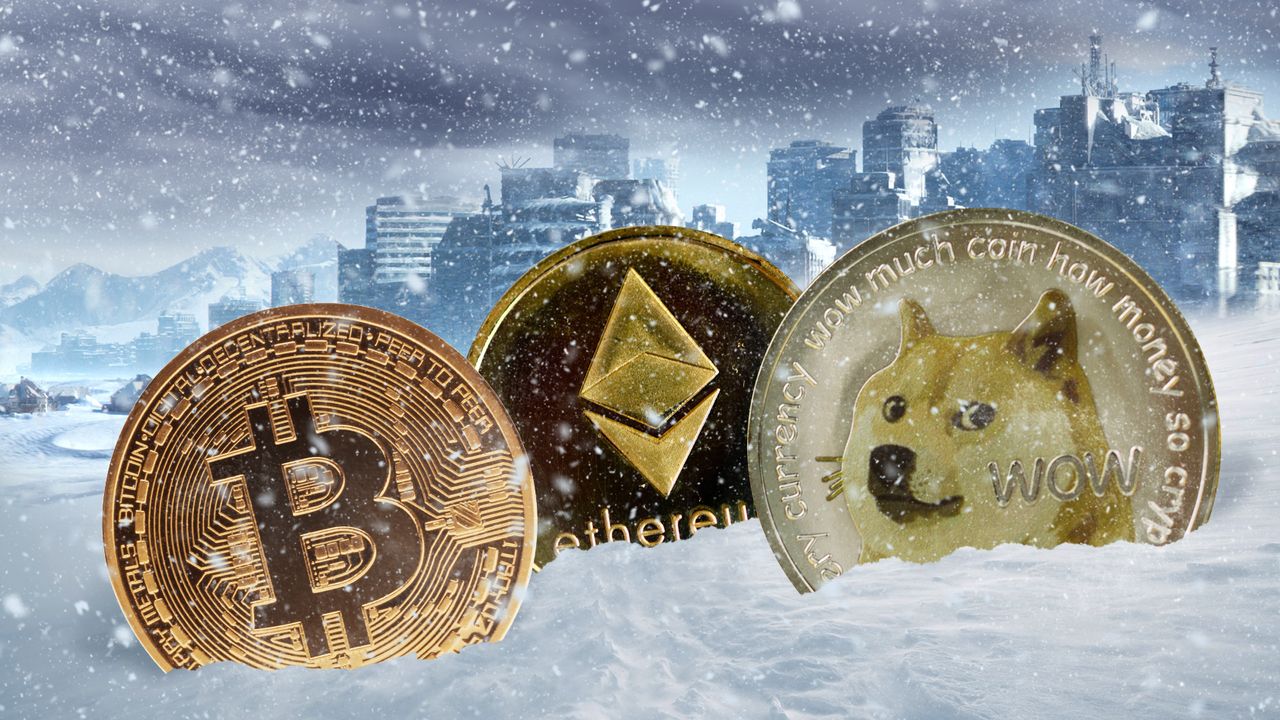
Jakarta, Pintu News – Crypto winter can be one of the most worrying periods for crypto asset investors. However, the good news is that not all crypto winters bring gloom, and so far, every crypto winter has eventually come to an end. What exactly is a crypto winter?
Meaning of Crypto Winter
A crypto winter is a period when the value of cryptocurrencies and tokens experience a massive, across-the-board decline. This is generally caused by long-term negative sentiment.
Read also: ChatGPT Crypto Winter Predictions: Bitcoin Slumps Again After ‘Red October’
There is no exact benchmark for how much of a drop in value must occur for a period to be categorized as a crypto winter, but if referring to the general rule of bearish markets, a drop of around 20% could be an early indicator. Over time and with more historical data, these boundaries will likely become clearer and more defined.
What Causes Crypto Winter?
The term crypto winter first appeared in 2018 when Bitcoin (BTC) prices plummeted and the crypto market experienced a long period of low prices and sluggish trading volumes. Some common signs of a cryptowinter include falling crypto asset prices, shrinking total market value, and deteriorating investor sentiment.
Crypto winter can be triggered by various factors, such as changes in macroeconomic conditions (e.g. interest rate hikes), the bursting of speculative bubbles, to major market manipulations or scandals that shake public confidence.
Here are some other key factors that could trigger a crypto winter, or even make it worse:
Declining interest from institutional investors
Institutional investors play an important role in fueling the success of big cryptos like Bitcoin and Ethereum. However, if they see that the value of a crypto starts to stagnate or decline, they tend to withdraw from the market, which in turn depresses the price of the asset further.
Over-saturated market
Many crypto projects lack a solid business plan or unique value that sets them apart. As the competition gets denser, it becomes harder for new coins to attract attention or survive in the long run.
Massive security breaches, hacks, and scams
Cybersecurity issues and fraud can severely undermine investor confidence in crypto networks. For example, in 2014, Bitcoin lost nearly $500 million after Mt. Gox – a Tokyo-based crypto exchange – filed for bankruptcy due to a series of security issues that hampered the withdrawal process.
Unclear regulations
Cryptocurrencies and blockchain technology have faced regulatory challenges since their inception. As government scrutiny has increased, more lawsuits and regulatory actions have emerged that tend to hinder the growth and hype of the crypto industry.
Read also: Crypto Heist: Balancers Lost $128 Million in 2025’s Biggest Cyber Attack
Crypto Winter vs Bear Market

While the terms bear market and crypto winter are often used interchangeably in the crypto world, they are actually not entirely the same thing – although they can occur simultaneously.
Crypto winter refers to a period when crypto assets and currencies lose popularity and value, and the market becomes stagnant for a long period of time. During this time, investor interest declines, trading volumes are sluggish, and crypto prices tend to be flat or continue to fall.
Meanwhile, a bear market occurs when the price of a financial asset, including crypto, drops by 20 percent or more from its most recent peak. The term is more technical in nature and is often used in a variety of markets, not just crypto.
So, the difference lies in the scope and duration:
- Bear markets focus more on significant price declines in the short to medium term.
- Crypto winter describes the long-term sluggish state of the overall crypto market, not only in terms of price but also in terms of investor activity and sentiment.
That’s the latest information about crypto. Follow us on Google News to get the latest crypto news about crypto projects and blockchain technology. Also, learn crypto from scratch with complete discussion through Pintu Academy and stay up-to-date with the latest crypto market such as bitcoin price today, xrp coin price today, dogecoin and other crypto asset prices through Pintu Market.
Enjoy an easy and secure crypto trading experience by downloading Pintu crypto app via Google Play Store or App Store now. Also, get a web trading experience with various advanced trading tools such as pro charting, various types of order types, and portfolio tracker only at Pintu Pro.
*Disclaimer
This content aims to enrich readers’ information. Pintu collects this information from various relevant sources and is not influenced by outside parties. Note that an asset’s past performance does not determine its projected future performance. Crypto trading activities have high risk and volatility, always do your own research and use cold cash before investing. All activities of buying and selling bitcoin and other crypto asset investments are the responsibility of the reader.
Reference:
- Bankrate. What is a crypto winter? Accessed on November 6, 2025
- The Motley Fool. What Is a Crypto Winter? Accessed on November 6, 2025
Latest News
UBS Gold Price Today, April 29, 2026
UBS Gold Price Today, April 29, 2026
© 2026 PT Pintu Kemana Saja. All Rights Reserved.
The trading of crypto assets is carried out by PT Pintu Kemana Saja, a licensed and regulated Digital Financial Asset Trader supervised by the Financial Services Authority (OJK), and a member of PT Central Finansial X (CFX) and PT Kliring Komoditi Indonesia (KKI). Crypto asset trading is a high-risk activity. PT Pintu Kemana Saja do not provide any investment and/or crypto asset product recommendations. Users are responsible for thoroughly understanding all aspects related to crypto asset trading (including associated risks) and the use of the application. All decisions related to crypto asset and/or crypto asset futures contract trading are made independently by the user.