

6 Serious Facts: US Threatened with Winter Blackout Due to Data Center and AI Energy Surges

Jakarta, Pintu News – A new warning has been issued by the North American Electric Reliability Corporation (NERC) regarding the high probability of winter blackouts in various parts of the United States. The main culprit? A surge in energy demand from rapidly growing data centers and AI infrastructure, with no corresponding increase in energy supply.
In an official report released November 18, 2025, NERC said that the national energy demand increased by 20 gigawatts compared to the previous winter – equivalent to the capacity of several nuclear power plants.
Here are 6 key points from the report:
1. Winter Electricity Demand Increases Drastically
According to NERC, national energy demand rose by 20 GW in just a year, largely fueled by the aggressive expansion of data centers and AI systems.
Mark Olson, NERC’s Reliability Assessment Manager, mentioned that this spike has mainly occurred in regions with rapid data center growth since last winter.
Also Read: Gold Outperforming Bitcoin? Asset Performance Analysis in 2025
2. Energy Supply Can’t Keep Up with Demand
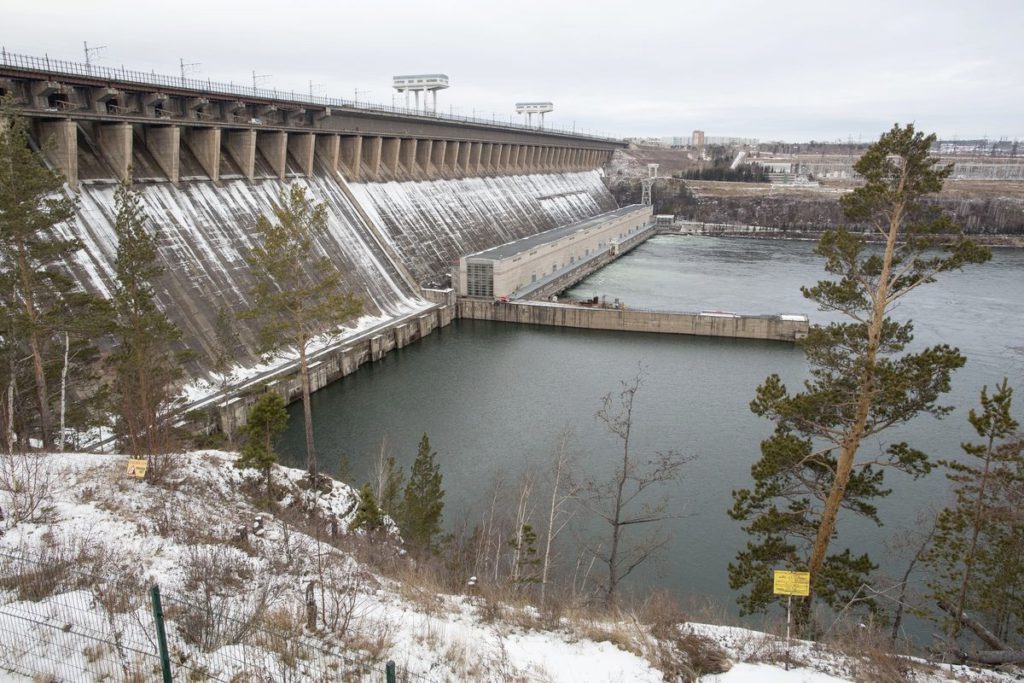
Despite the rapid increase in consumption, the increase in energy capacity has not kept pace. This creates an energy imbalance that threatens the stability of the national grid.
NERC notes that new power generation is not growing as fast as the load required to support AI and data center loads.
3. Vulnerable Areas Expand to Southeast and Western U.S.
Unlike last year, blackout-prone areas now include:
- Southeast US
- Western states like Washington and Oregon
- Texas, which previously experienced a major blackout in February 2021
- New England, which faces gas supply risks due to pipeline restrictions
4. Solar and Gas No Longer Reliable in Winter
Shorter sunlight hours make solar energy suboptimal during winter. On the other hand, gas supplies are prone to disruption by freezing and pipeline problems.
This factor further exacerbates the risk of outages when extreme weather strikes, such as the polar vortex that has occurred in previous years.
5. US Electricity Infrastructure is Old and Vulnerable
According to reports, the US power grid has been fragile for years, with aging infrastructure that often fails to deal with storms, wildfires and extreme temperatures.
The AI and cloud computing data center construction boom, after two decades of stagnation, is now putting significant additional pressure on the national electricity system.
6. Additional Costs Could Reach $5.48 Billion per Year
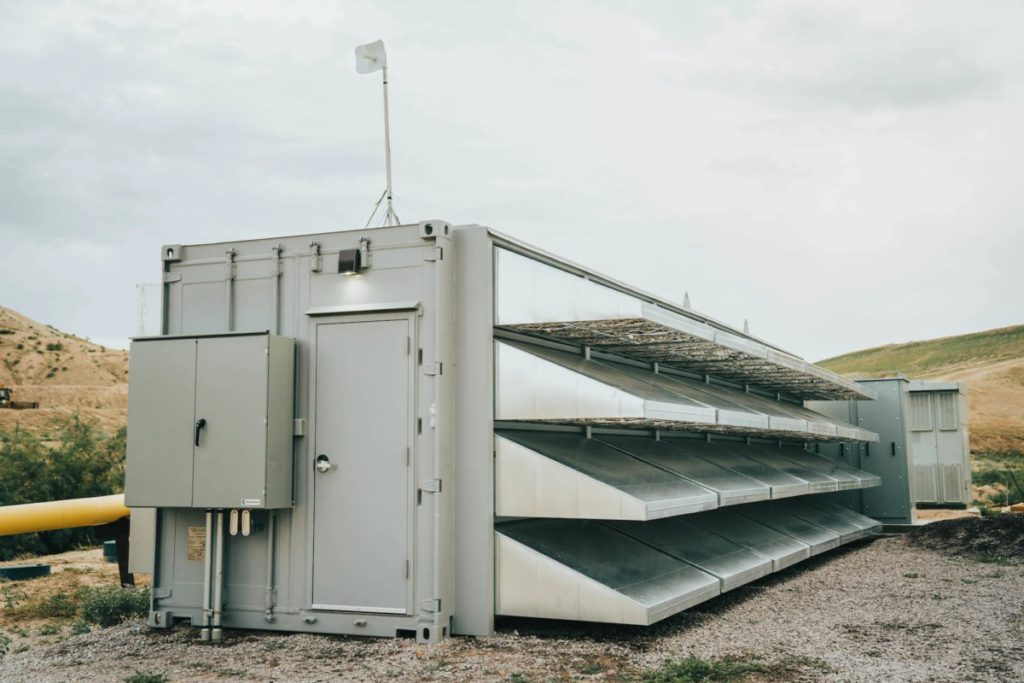
Monitoring Analytics warns that plans to build large data centers without additional generation will only increase the capacity cost burden by $5.48 billion per year.
The study also highlights that claims that data centers can be flexible in energy consumption during a crisis are unrealistic. They require 99.99% uptime, so they cannot be easily shut down during peak loads.
Also Read: 5 Reasons Solana (SOL) Was Scooped Up by Institutions Despite Falling 30%: Whale’s Stealth Strategy?
Follow us on Google News to get the latest information about crypto and blockchain technology. Check Bitcoin price today, Solana price today, Pepe coin and other crypto asset prices through Pintu Market.
Enjoy an easy and secure crypto trading experience by downloading Pintu crypto app via Google Play Store or App Store now. Also, get a web trading experience with various advanced trading tools such as pro charting, various types of order types, and portfolio tracker only at Pintu Pro.
*Disclaimer
This content aims to enrich readers’ information. Pintu collects this information from various relevant sources and is not influenced by outside parties. Note that an asset’s past performance does not determine its projected future performance. Crypto trading activities are subject to high risk and volatility, always do your own research and use cold hard cash before investing. All activities of buying andselling Bitcoin and other crypto asset investments are the responsibility of the reader.
FAQ: Questions about the US Winter Blackout Threat
What are the main causes of this winter power outage threat?
Demand for electricity has risen sharply due to data centers and AI, while supply capacity has not increased equally.
Which areas are most at risk of blackouts?
The US Southeast, western states like Washington and Oregon, and regions like Texas and New England.
Can the data center be de-powered during high loads?
According to Monitoring Analytics, no. Data centers require high reliability and cannot be shut down during a crisis.
What is the additional cost of building a new data center without power?
It is estimated to add $5.48 billion in annual capacity costs for electricity customers.
What does NERC advise against this condition?
NERC did not mention explicit solutions, but emphasized the importance of increasing generating capacity to keep up with the load surge.
Reference:
- Nellius Irene. NERC warns of winter blackouts as data centers strain US power grid. Accessed on November 19, 2025
Latest News
© 2026 PT Pintu Kemana Saja. All Rights Reserved.
The trading of crypto assets is carried out by PT Pintu Kemana Saja, a licensed and regulated Digital Financial Asset Trader supervised by the Financial Services Authority (OJK), and a member of PT Central Finansial X (CFX) and PT Kliring Komoditi Indonesia (KKI). Crypto asset trading is a high-risk activity. PT Pintu Kemana Saja do not provide any investment and/or crypto asset product recommendations. Users are responsible for thoroughly understanding all aspects related to crypto asset trading (including associated risks) and the use of the application. All decisions related to crypto asset and/or crypto asset futures contract trading are made independently by the user.