

Turkmenistan Officially Legalizes Crypto Starting 2026: 5 Strict Rules to Understand
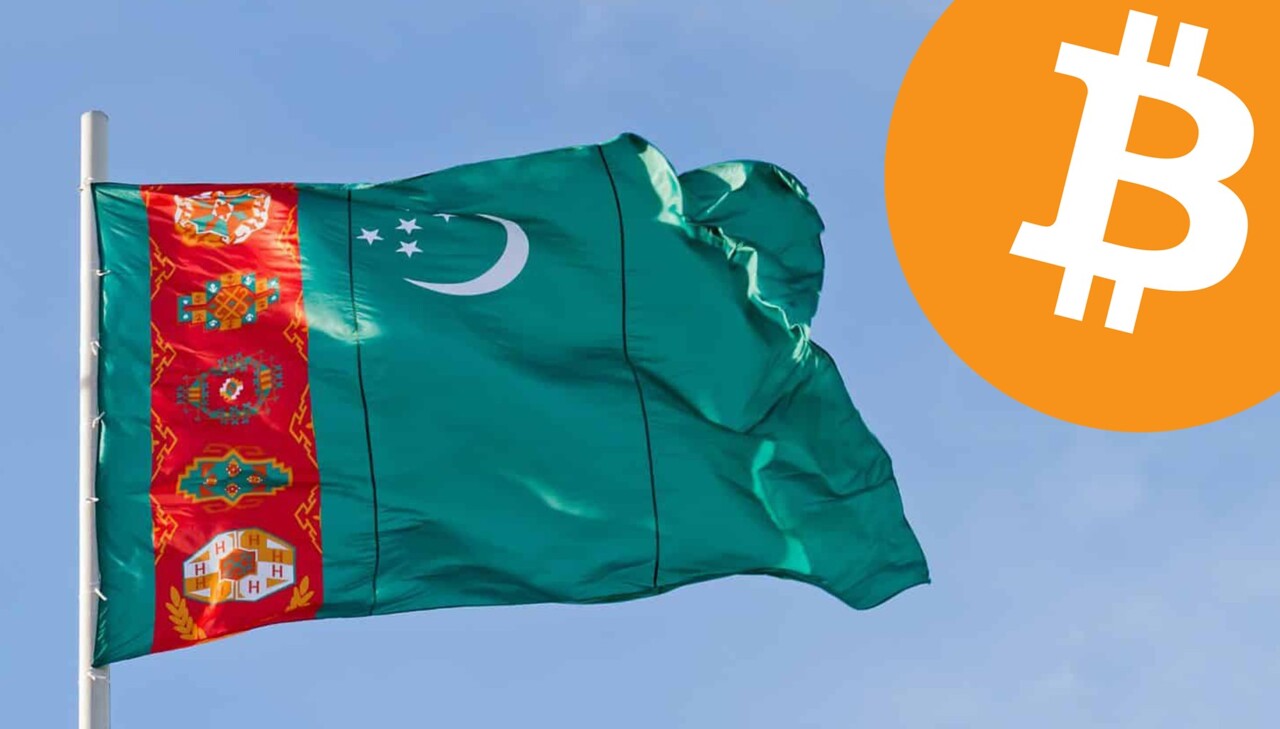
Jakarta, Pintu News – Turkmenistan took a major step by legalizing the use of cryptocurrencies under strict regulations that come into effect in 2026. The new policy opens up legal space for digital assets, but the state retains full control through a highly centralized legal framework.
Based on official Business Turkmenistan reports and VOI reporting, this policy is one of the major changes in Central Asia’s closed economy.
1. Crypto is legalized, but the state retains full control
According to information provided by VOI, Turkmen President Serdar Berdimuhamedov signed the crypto regulation on November 28, 2025, which came into effect in 2026. This regulation provides legality for digital assets activities, including mining and related services, but remains under state supervision.
Data from Business Turkmenistan explains that the central bank has full authority over the cryptocurrency ecosystem, including approval, monitoring, and operational intervention. As such, the private sector’s room for maneuver remains restricted despite crypto being authorized.
Also Read: 3 Stock Sectors Predicted to be Bought by Investors When the Technology Sector Weakens
2. Compulsory license for exchange and custodial
VOI reports that all crypto platforms that want to operate in Turkmenistan must have an official license from the government. This includes exchanges, custodial services, and entities that provide digital storage services.
The rules require due diligence processes, anti-money laundering (AML) procedures, and the use of cold storage as national security standards. This information suggests that the government wants to ensure crypto activities remain in a closed and highly supervised system.
3. Prohibition for financial institutions and strict rules for mining
In the same report, financial institutions such as banks or finance companies are prohibited from offering crypto-related services. The state also has full authority to stop, cancel, or order refunds in the token issuance process.
Mining and mining pools are required to have official registration. The VOI emphasized that all unlicensed operations are considered illegal and subject to prosecution, continuing the government’s pattern of suppressing underground activities that previously flourished through VPNs and P2P platforms.
4. Establishment of digital asset categories and operational standards
The regulator divides digital assets into two specific categories, namely “guaranteed” and “secured,” each of which has different liquidity standards and settlement protocols. According to VOI, the government has also established emergency ransom procedures for certain tokens in extreme conditions.
The policy provides a strict technical framework and makes the central bank the only institution that can authorize the use of distributed ledgers or build a national blockchain infrastructure.
5. Part of a global trend of strengthening crypto regulation
VOI notes that Turkmenistan’s move is in line with the trend of various countries tightening crypto regulatory frameworks. Countries such as Vanuatu, Pakistan, and Poland are rolling out new rules, while the UK and Sweden are strengthening licensing frameworks and standards for banking exposure to crypto.
Turkmenistan chose to join the trend of strict supervision but retains its characteristic: a very dominant central state control. Although crypto is legalized, digital assets are not recognized as currency, legal tender, or official securities instruments.
FAQ
What is the reason for Turkmenistan legalizing crypto from 2026?
This decision was made to provide a legal framework for digital assets while maintaining state control, as VOI and Business Turkmenistan report.
Can crypto be used as a means of payment in Turkmenistan?
It is not. VOI confirms that crypto is not recognized as legal tender, currency, or securities.
Is crypto mining allowed?
Yes, but it must be registered and officially approved. Unlicensed operations are still considered illegal.
Who oversees the crypto ecosystem in Turkmenistan?
The central bank holds full authority over the infrastructure, licensing, and supervision of all crypto activities.
Does this move show Turkmenistan openly supporting crypto?
Not entirely. The state follows the global trend of strict regulation but retains full control, different from countries with open ecosystems.
Reference
- VOI Editorial Team.Turkmenistan Approves Crypto Starting 2026, But The State Still Holds Strict Control. Accessed December 2, 2025
Latest News
© 2026 PT Pintu Kemana Saja. All Rights Reserved.
The trading of crypto assets is carried out by PT Pintu Kemana Saja, a licensed and regulated Digital Financial Asset Trader supervised by the Financial Services Authority (OJK), and a member of PT Central Finansial X (CFX) and PT Kliring Komoditi Indonesia (KKI). Crypto asset trading is a high-risk activity. PT Pintu Kemana Saja do not provide any investment and/or crypto asset product recommendations. Users are responsible for thoroughly understanding all aspects related to crypto asset trading (including associated risks) and the use of the application. All decisions related to crypto asset and/or crypto asset futures contract trading are made independently by the user.